
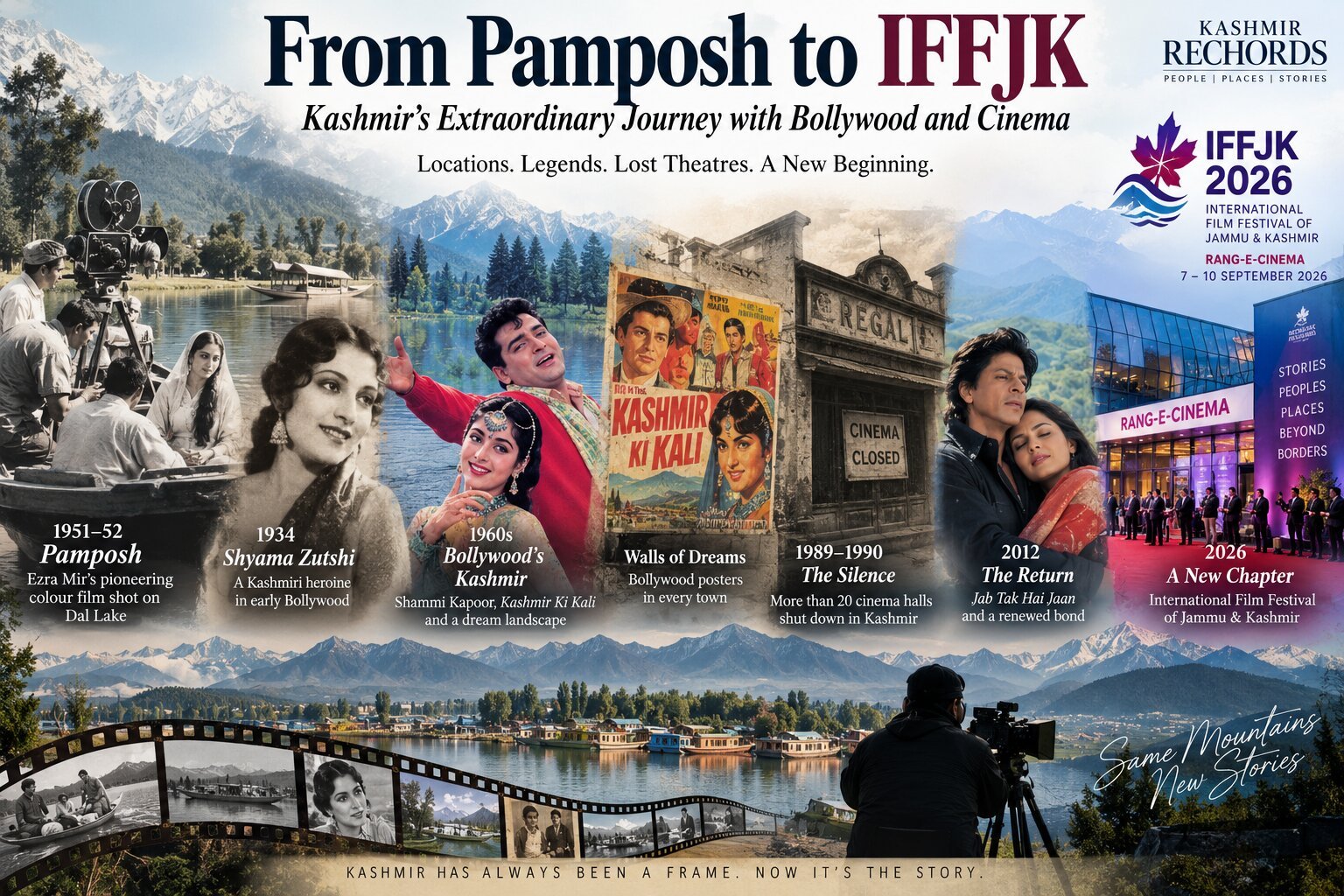
(Kashmir Archives Exclusive)
There was a time when Bollywood did not need Switzerland to create romance.It had Kashmir.
A shikara gliding across Dal Lake, a houseboat against the mountains, the snowfields of Gulmarg, the meadows of Pahalgam and the gardens of Srinagar became part of the visual vocabulary of Hindi cinema.
For generations of Indians, much of their first experience of Kashmir came not from a journey to the Valley but from a cinema screen.
But Kashmir’s relationship with cinema began much before the familiar era of Shammi Kapoor and Sharmila Tagore. And, as the archives of Kashmir Rechords reveal, the story is considerably richer than Bollywood simply coming to Kashmir to shoot songs.
It is a story of forgotten Kashmiri actors, pioneering filmmakers, lost films, packed cinema halls, silence and now a remarkable revival.
Shyama Zutshi: a Kashmiri woman enters Bollywood
One of the earliest chapters belongs to Shyama Zutshi.
As Kashmir Rechords documented in its archival feature on her, Zutshi entered Hindi cinema in 1934, appearing in films such as Shiv Bhakti, Majnu, Karwan-e-Hayat and Khooni Jadugar.
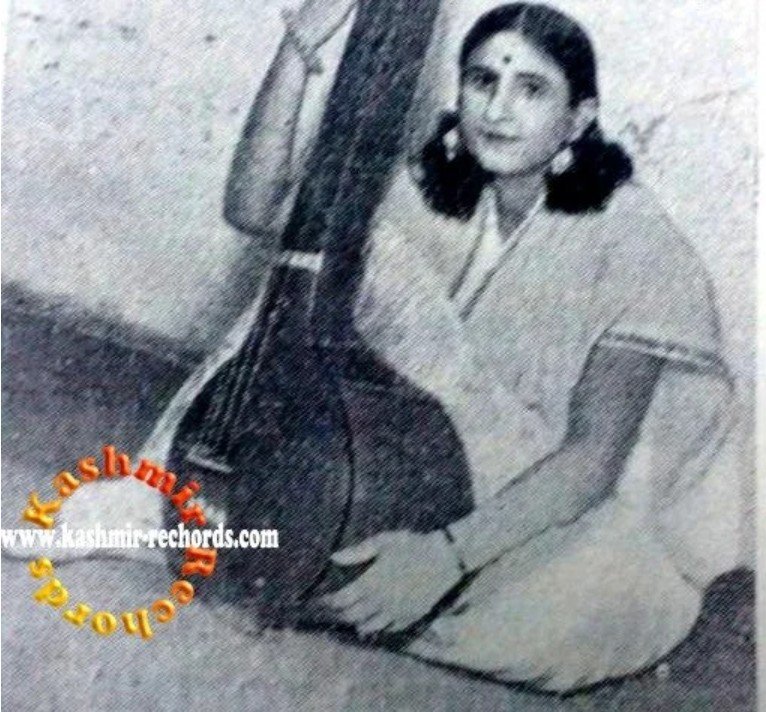
Karwan-e-Hayat brought her into the company of major names including K. L. Saigal, T. R. Rajakumari and Pahari Sanyal.
Her story, however, was not simply one of cinematic success. She eventually left films and became involved in the freedom movement and Congress politics.
Kashmir Rechords also records the story of another Kashmiri woman, Yashodhara Kathju, who entered films in the 1940s and continued working into the 1960s. Their stories are a reminder that Kashmir’s association with Indian cinema was never merely geographical. Kashmiris themselves were part of the industry.
Pamposh: Kashmir and India’s colour revolution
Perhaps the most extraordinary forgotten episode is Pamposh. In 1951–52, filmmaker Ezra Mir brought a film unit to Kashmir to make Pamposh, a pioneering colour production. The film was an experiment in proving that a full-colour feature could be produced, processed and printed in post-Independence India.
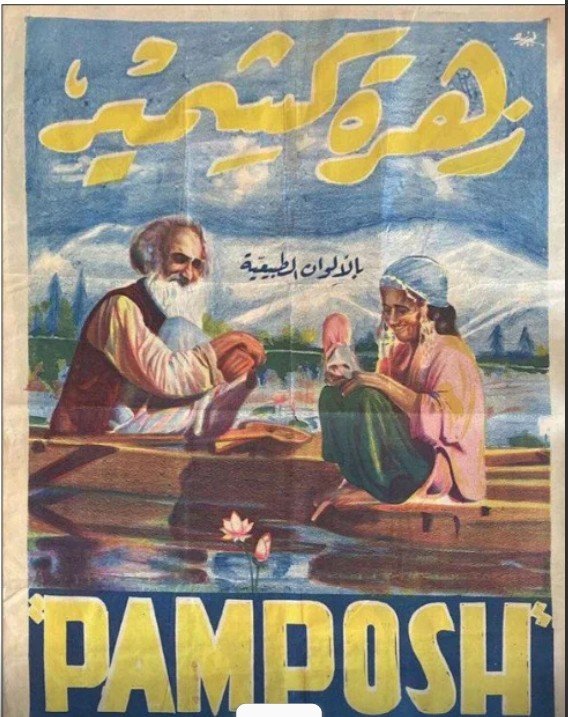
And Kashmir provided the perfect laboratory. Dal Lake, houseboats, lotus flowers, gardens, mountains and the extraordinary natural light of the Valley became part of this technological experiment.
As Kashmir Rechords has documented, Pamposh has a special place in Indian film history as the first colour feature domestically produced and processed in post-Independence India.
Its cinematographer was Italian C. F. Marconi, while the music was credited to Mohan Lal Aima and Cecil Mendoza.
The film even travelled to Cannes. And yet there is a remarkable irony.The colour film itself has been lost.
No known colour print survives. What remain are photographs, publicity material, newspaper reports, a poster and archival fragments.
Kashmir Rechords has also preserved a 1953 Blitz photograph of Ezra Mir with an unidentified young Kashmiri girl associated with the production — carefully leaving her identity unresolved rather than turning speculation into fact.
A pioneering film was made in Kashmir. Its memory survived. Its print did not.
Then Bollywood discovered its dream Kashmir
By the 1960s, Kashmir had become something much larger than a convenient location.
It had become Bollywood’s dream landscape.
Junglee (1961), Phir Wohi Dil Laya Hoon (1963), Kashmir Ki Kali (1964), Jab Jab Phool Khile (1965), Jaanwar (1965) and Aarzoo (1965) helped establish the formula.
And nobody embodied that era quite like Shammi Kapoor. He danced in the snow, sang beside the lake and raced through the Valley’s landscapes with an exuberance that became inseparable from the popular image of Kashmir.
Then came films such as Bobby, Aap Ki Kasam, Kabhi Kabhie, Noorie and Silsila.
Kashmir was no longer merely appearing in Hindi films. It had become a character in them.
When cinema began renaming Kashmir
Cinema did something else: it entered the landscape itself.
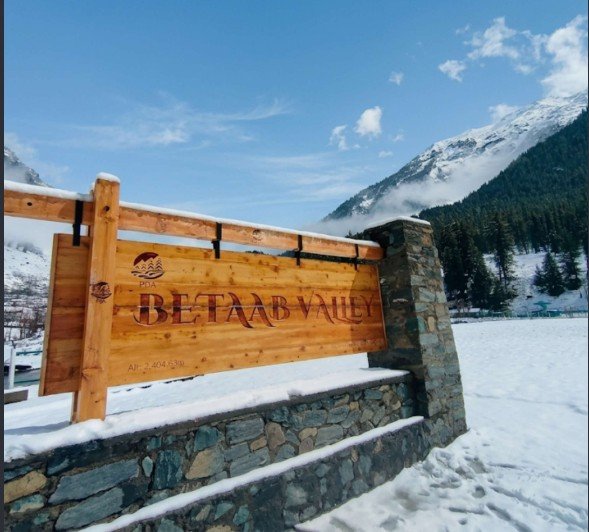
The location associated with Sunny Deol and Amrita Singh’s Betaab eventually became popularly known as Betaab Valley.
The phenomenon says something about the power of cinema.
The filmmakers came looking for Kashmir. But the films left behind names, memories and associations that became part of Kashmir itself.
Kashmir’s own stalwarts
The Valley also sent its artists in the opposite direction — towards India’s larger cultural and cinematic world.
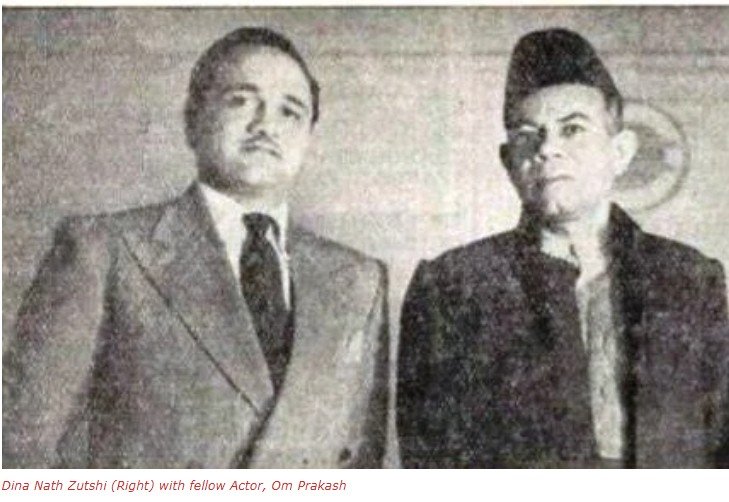
Dina Nath Zutshi, whose story has been revisited by Kashmir Rechords, moved from radio into Hindi cinema. He is remembered among other things for his performance as Halim Mirza in M. S. Sathyu’s Garm Hava.
His journey also intersected with that of Om Prakash, another major performer associated with Jammu & Kashmir.
Then there was Jeevan — Omkar Nath Dhar, born in Srinagar, who became one of Hindi cinema’s most recognisable character actors and villains.
Raaj Kumar, born Kulbhushan Pandit and from a Kashmiri Pandit family, became another towering presence in Hindi cinema.
And from Srinagar came filmmaker Vidhu Vinod Chopra, whose later career would make him one of India’s most influential filmmakers and producers.
Kashmir’s cultural contribution to Indian cinema therefore extended far beyond locations. It included actors, filmmakers, broadcasters, writers, musicians and theatre personalities.
Kashmir was not simply being photographed. It was participating.
When Bollywood posters covered Kashmir
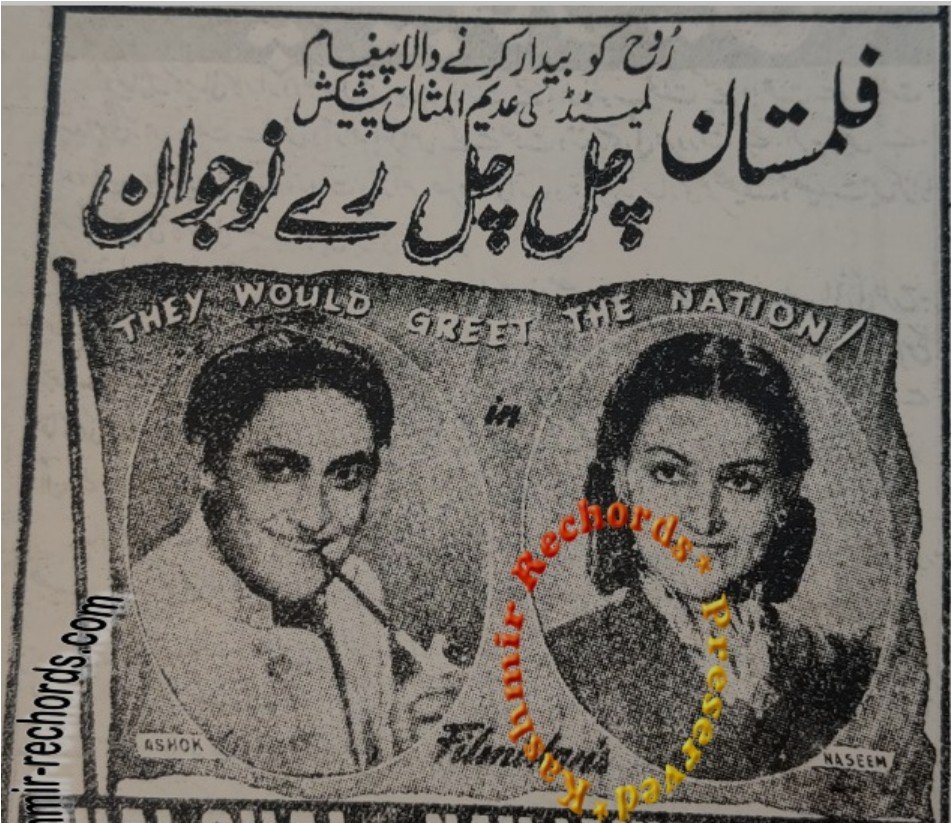
Kashmir Rechords‘ archival work on Bollywood posters and Chal Chal Re Naujawan offers another glimpse into the era.
Film posters were once part of the Valley’s everyday visual landscape — on walls, tongas, lorries and public spaces.
Cinema was not an abstract industry operating somewhere in Bombay. Its stars were visible. Its posters were everywhere.
And its films were being watched in crowded theatres.
In 1990 Kashmir screens went dark
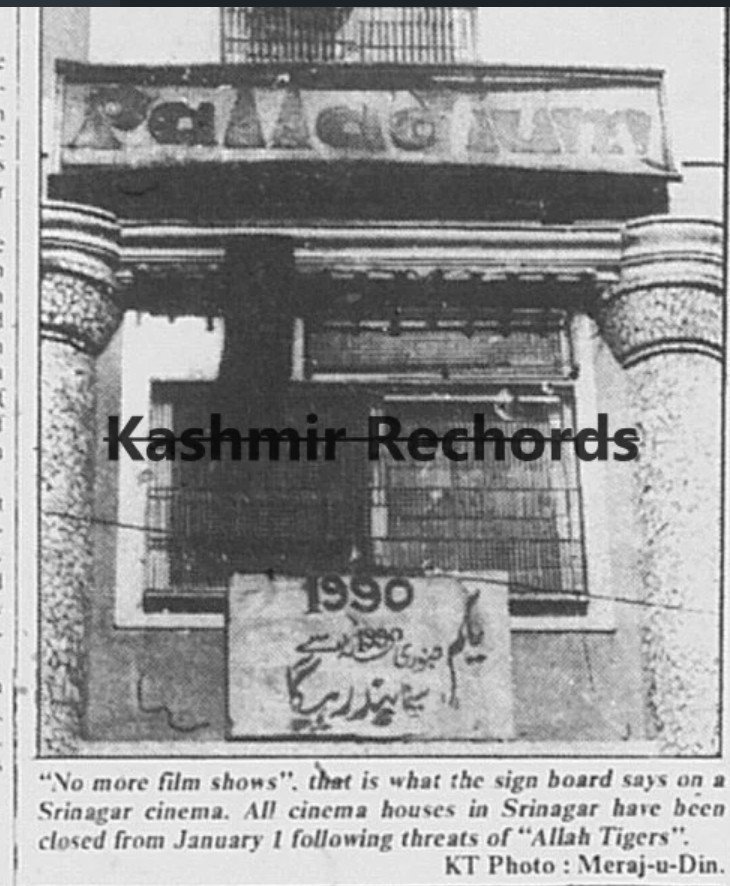
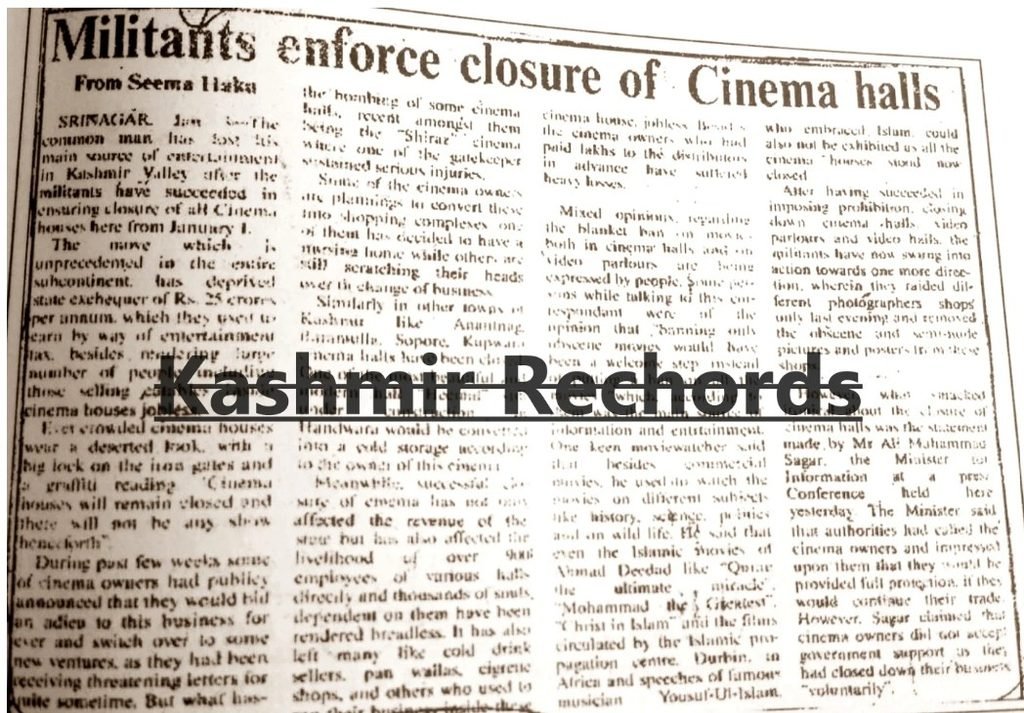
As militancy intensified, cinema halls became targets. By the end of the 1980s, theatres across the Valley had closed.
Kashmir Rechords’ account of “1990: When Cinema Fell Silent in Kashmir!” recalls a Valley that had once had more than 20 cinema halls in Srinagar and other towns.
The closure was much more than the loss of entertainment.
The cinema hall had been a social institution — a place where families went together, young people gathered and audiences shared the same popular culture as people elsewhere in India.
Then the shutters came down. For an entire generation, cinema became something remembered by parents rather than experienced as an ordinary part of life.
The failed return
There was an attempt to reopen the cinemas in the 1990s.
Regal, Neelam and Broadway reopened in Srinagar. But the experiment did not last.
In 1999, Regal cinema was attacked with grenades during a screening. The reopening effort collapsed, and the Valley’s cinema culture remained largely dormant.
The irony was extraordinary: Bollywood continued making films about Kashmir, but Kashmiris themselves had almost nowhere to watch them in Kashmir.
Bollywood’s Kashmir changed
As security conditions deteriorated, filmmakers increasingly looked elsewhere. Ooty, Manali and other locations substituted for Kashmir.
Switzerland and other foreign destinations increasingly supplied Bollywood with the mountains and snow that Kashmir had once provided.
And the Kashmir seen on screen changed. The romantic Valley of Kashmir Ki Kali and Jab Jab Phool Khile gradually gave way to a Kashmir of conflict, militancy, soldiers and political uncertainty.
Films such as Roja, Dil Se, Mission Kashmir, Yahaan and later Haider reflected different dimensions of this changed reality.
The camera had not completely abandoned Kashmir. But the Kashmir seen through the camera had changed.
Then the camera began returningThe revival was gradual. Filmmakers began coming back to Jammu & Kashmir, and the old cinematic relationship slowly revived.
One of the most symbolic returns was Yash Chopra’s Jab Tak Hai Jaan (2012).
Kashmir had been central to Chopra’s cinematic imagination for decades. His final film brought the Valley back into his visual world.
The symbolism was difficult to miss.
The filmmaker who had done so much to turn Kashmir into Bollywood’s great romantic landscape had returned to shoot there once again.
And then cinema itself returned
The revival eventually moved beyond film shoots. In 2022, Srinagar entered a new multiplex era after decades without a functioning mainstream cinema culture.
For the first time in years, Kashmiris could once again go to a modern theatre and watch newly released Hindi films on the big screen.
Bollywood posters also began returning to the Valley. The distinction is important.
For decades Bollywood had come to Kashmir to make films. Now films were coming to Kashmir to be watched.
From film location to film destination
The next phase is more ambitious.
Government film policies have sought to attract productions, simplify permissions and encourage film tourism and local participation.
The objective is no longer merely to bring a Mumbai film unit to Kashmir for a few days.
The larger ambition is to create a film ecosystem — involving actors, technicians, writers, production crews, local businesses, training and eventually more films originating from Jammu & Kashmir itself.
That would represent a fundamental change. Kashmir would cease to be merely a backdrop. It could become a centre of filmmaking.
2026: Kashmir hosts the world
And now comes perhaps the most striking chapter.
From September 7 to 10, 2026, Jammu & Kashmir is hosting its first International Film Festival of Jammu & Kashmir — IFFJK.
Under the theme “Rang-e-Cinema”, the festival includes international competition, feature films, documentaries, shorts, regional cinema and a dedicated J&K Select section.

Films from more than 40 countries are being screened, with about 135 films selected for the festival. The symbolism could hardly be stronger.
A place that once had more than 20 cinema halls. A place where cinema fell silent in 1990. A place that spent decades without a functioning film culture is now inviting the world to come and watch films in Kashmir.
From Pamposh to IFFJK
The journey can almost be read as a cinematic timeline.
1934: Shyama Zutshi enters Hindi cinema.
1951–52: Ezra Mir shoots Pamposh in Kashmir, using the Valley as the setting for a pioneering colour-film experiment.
1960s–80s: Bollywood’s golden Kashmir era — Junglee, Kashmir Ki Kali, Jab Jab Phool Khile, Bobby, Noorie, Silsila and many others.
1989–90: cinema halls close and Kashmir’s public cinema culture disappears.
1990s–2000s: Kashmir increasingly becomes a cinematic landscape of conflict.
2012 onwards: major productions begin returning.
2022: modern cinema returns to Srinagar.
2026: Kashmir hosts an international film festival.
It is not merely a history of films.
It is a history of Kashmir’s relationship with the outside world — and with itself.
The camera has come home
There is something poetic about Kashmir’s cinematic journey.
Once, Bollywood came to Kashmir and taught India to see the Valley through songs.
Then the cameras left. The cinema halls closed. The posters disappeared. The screens went dark.
Now the cameras are returning. The cinema halls are returning. And in 2026, an international film festival has arrived.
Perhaps the most significant change is that Kashmir no longer has to remain merely Bollywood’s beautiful backdrop.
It can become a place where filmmakers come not only to shoot mountains, lakes and snow, but to discover people, histories and stories.
From Shyama Zutshi to Shammi Kapoor; from Ezra Mir’s Pamposh to Yash Chopra’s Kashmir; from crowded cinema halls to three decades of silence; from lost film archives to a new international festival — the story has travelled a long way.
Kashmir has been a frame for Indian cinema for nearly a century. Perhaps the time has come for Kashmir to become the storyteller.