
(Kashmir Rechords Exclusive Research)
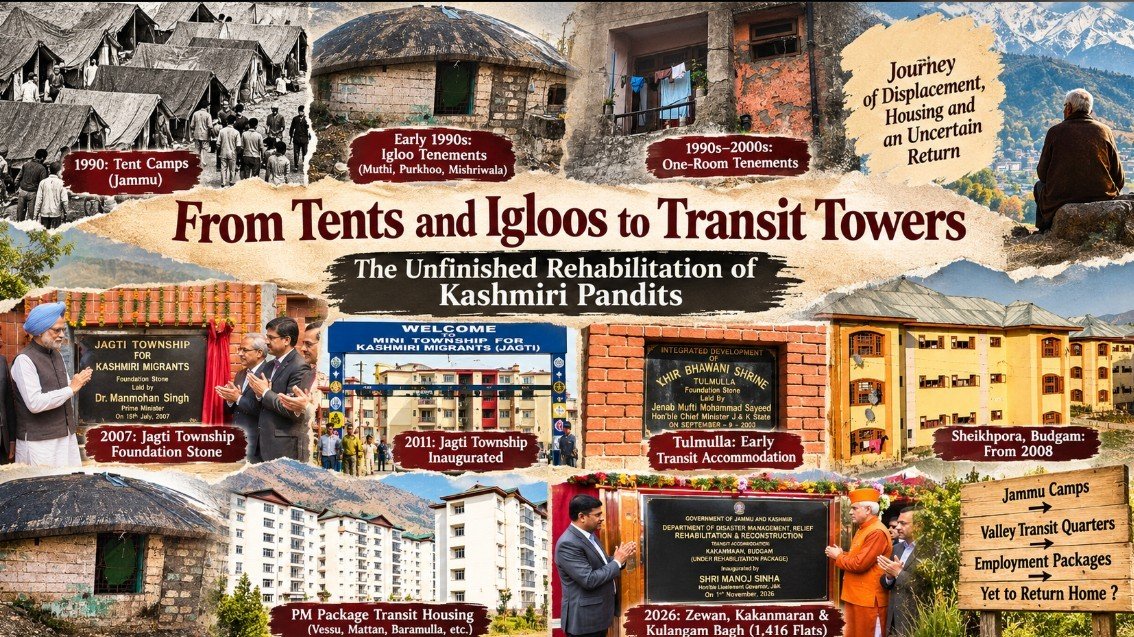
The rehabilitation of Kashmiri Pandits has become a story of two parallel realities. On one side stands a displaced community that, over more than three decades, has struggled to rebuild its lives, homes and livelihoods outside Kashmir—often with little or no direct government assistance for housing. On the other stands an expanding government housing programme, moving from tents and crude one-room tenements to two-room quarters, migrant townships and, more recently, multi-storey transit residential complexes in the Valley.
The question is no longer merely how many quarters have been constructed. It is what these successive housing schemes have achieved, who occupies them, what became of the earlier accommodation, and whether the construction of hundreds of transit units has brought the displaced community any closer to permanent rehabilitation.
The distinction matters. A government employee posted in Kashmir and allotted a transit quarter is not necessarily a displaced family returning to its ancestral home. Nor does the construction of a residential complex, by itself, establish that rehabilitation has been completed.
First shelters: From tents to igloo-shaped tenements
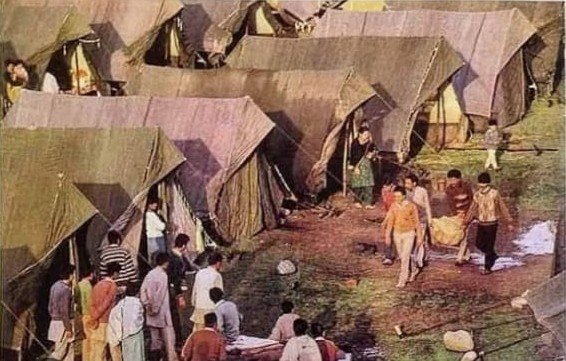
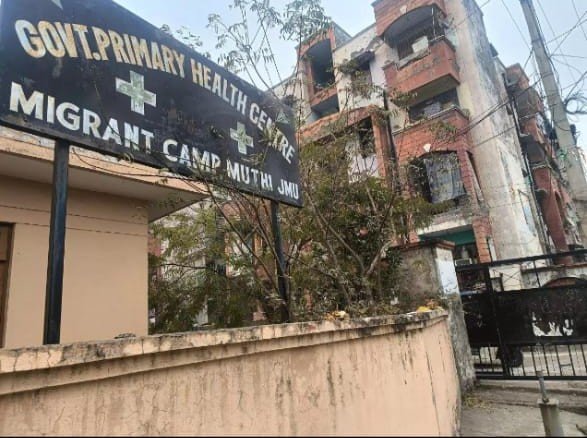
When Kashmiri Pandits began arriving in Jammu in large numbers in 1990, government accommodation was initially improvised. Families were housed in tents, public buildings and temporary camps at places such as Muthi, Purkhoo, Mishriwala, Jhiri and other locations.
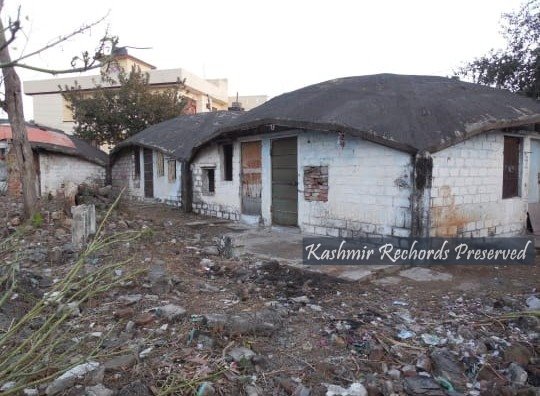
The tents were never intended to become a permanent settlement. Yet the emergency accommodation became a prolonged reality for hundreds of families. With the passage of time, the tents were replaced by crude one-room structures—often remembered as igloo-shaped or dome-like tenements—built to accommodate migrant families in Jammu.
These structures were frequently criticised for their inadequate space, poor construction and lack of basic facilities. The expectation that migrants would return to Kashmir soon appears to have influenced the approach to construction: emergency housing was built for a displacement that continued for decades.
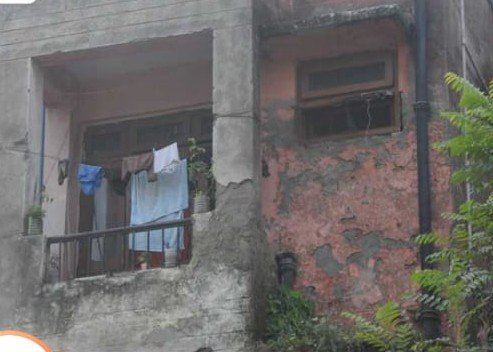
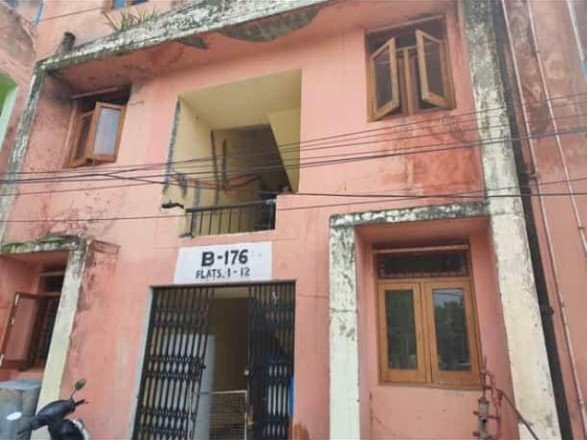
A Comptroller and Auditor General report documented the construction of 1,632 one-room tenements at Purkhoo, Mishriwala, Nagrota and Battal Ballian between 1992 and 1996, at a cost of approximately ₹6.49 crore. The report recorded cracks in walls and reinforced concrete roofs soon after occupation, along with leakage during monsoon seasons. The construction agency attributed the defects to economical specifications adopted in view of the anticipated early return of migrants to the Valley.
The irony was profound. Housing constructed on the assumption that displacement would be brief became the shelter of families whose exile continued for years.
Jhiri, Purkhoo, Muthi, Nagrota: Camps that became settlements
The camps were not merely temporary shelters. Over time, they acquired schools, health facilities, shops, transport links and social networks. Their residents built lives within the confines of a space originally intended as a temporary refuge.
Purkhoo, for instance, developed from a tent settlement into a large migrant camp. Academic research on Kashmiri Pandit displacement records that it housed approximately 1,000 families before its closure in 2011. The camp’s history illustrates how a temporary emergency site gradually became a neighbourhood in its own right.
Jhiri, too, formed part of the early camp experience. The eventual closure or consolidation of camps did not mean that displacement had ended; in many cases, it meant that families were shifted to other settlements or housing facilities.
The history of these camps is important because it reveals the changing meaning of “rehabilitation”. Initially, it meant providing a roof over the heads of displaced families. Later, it meant improving the quality of that accommodation. Eventually, it came to mean the construction of permanent-looking townships in Jammu.
But the underlying question—when would families return to their original homes?—remained unresolved.
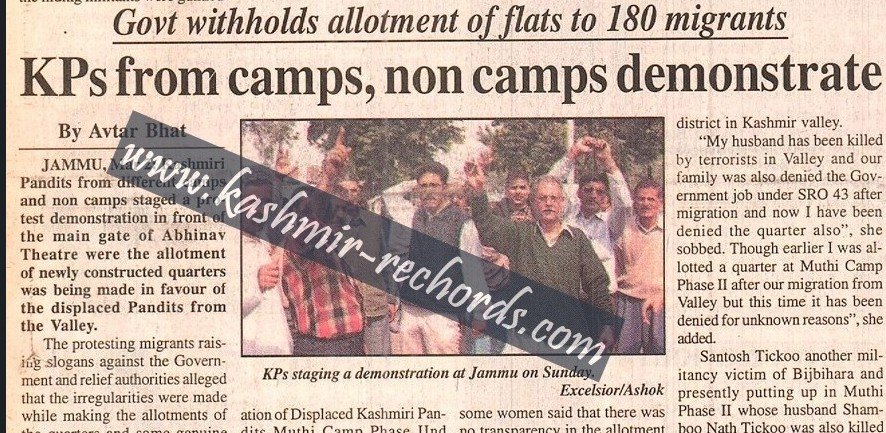
Jagti township: A transition from emergency housing to permanent exile?
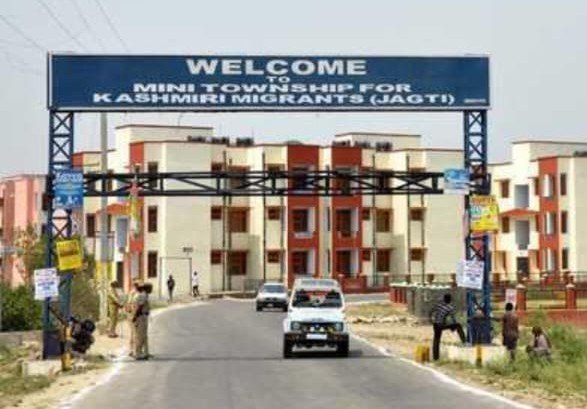
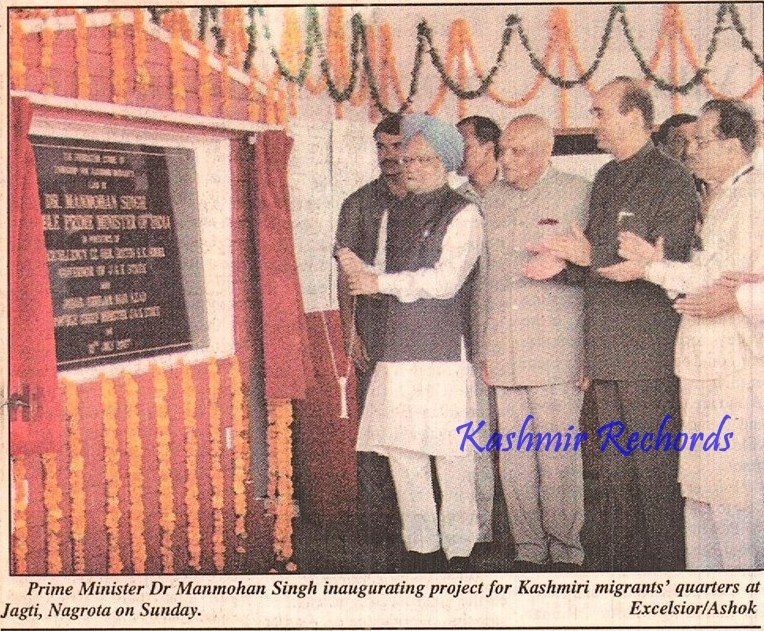
The government’s housing response in Jammu took a major turn under the Prime Minister Dr Manmohan Singh’s tenure. The scheme sanctioned 5,442 two-room tenements at four locations: Purkhoo, Muthi, Nagrota and Jagti, at an estimated cost of ₹385 crore.
According to the Ministry of Home Affairs, 1,024 tenements were constructed at Purkhoo, Muthi and Nagrota under Phase I, while 4,224 were constructed at Jagti under Phase II. The MHA’s 2026 statement records that the units were allotted to Kashmiri migrants.
Jagti, inaugurated in 2011, became the largest migrant township in Jammu. It offered better facilities than the earlier one-room tenements, but it also represented a significant transformation in the nature of displacement.
The government was no longer merely sheltering migrants in tents. It was creating residential infrastructure for a population whose return had remained uncertain for more than two decades.
The construction of Jagti was a major housing intervention. Yet a township in Jammu, however substantial, could not be equated with rehabilitation in Kashmir.
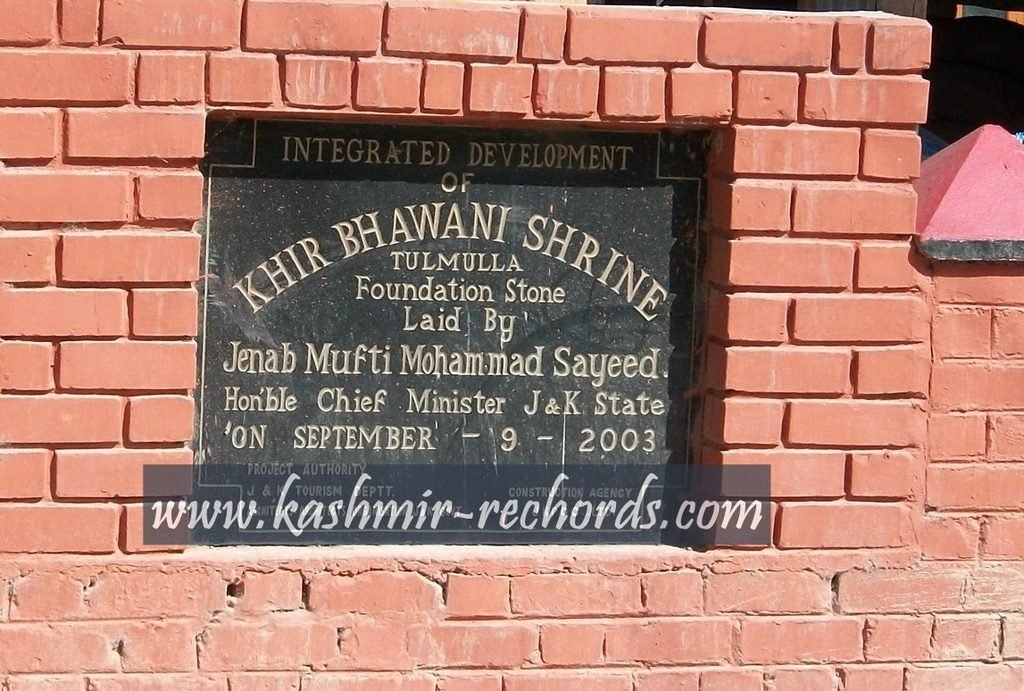
2008 package: Mufti Sayeed’s phase of migrant employee accommodation
The next important phase came under the rehabilitation package announced in 2008, during the tenure of Chief Minister Mufti Mohammad Sayeed.
The package, with an announced outlay of ₹1,618.40 crore, was intended to address several aspects of migrant rehabilitation. Its provisions included government employment, financial assistance for housing, transit accommodation, continuation of cash relief, scholarships, self-employment support and assistance to agriculturists and horticulturists.
The package included 3,000 government jobs, along with transit accommodation in the Kashmir Valley. The housing was primarily intended for migrant employees returning to work in government departments—not for the entire displaced population.
In March 2016, the Ministry of Home Affairs reported that 505 transit accommodations had been constructed and allotted to migrant employees under the 2008 package. A later government statement reported 721 transit accommodations under the same package. These figures reflect different reporting dates and should not be treated as contradictory without examining the underlying administrative records.
The paradox of rehabilitation: migrants build their own homes while government continues building transit camps
The 2008 package marked an important shift: instead of only providing relief to displaced families living in Jammu, the government began creating housing facilities for migrant employees working in Kashmir Vally.
But what became of the earlier accommodation? Were the facilities retained? Were families shifted to newer quarters? Were buildings vacated, reassigned or maintained as government housing?
These questions are particularly relevant to Tulmulla and Sheikhpora.
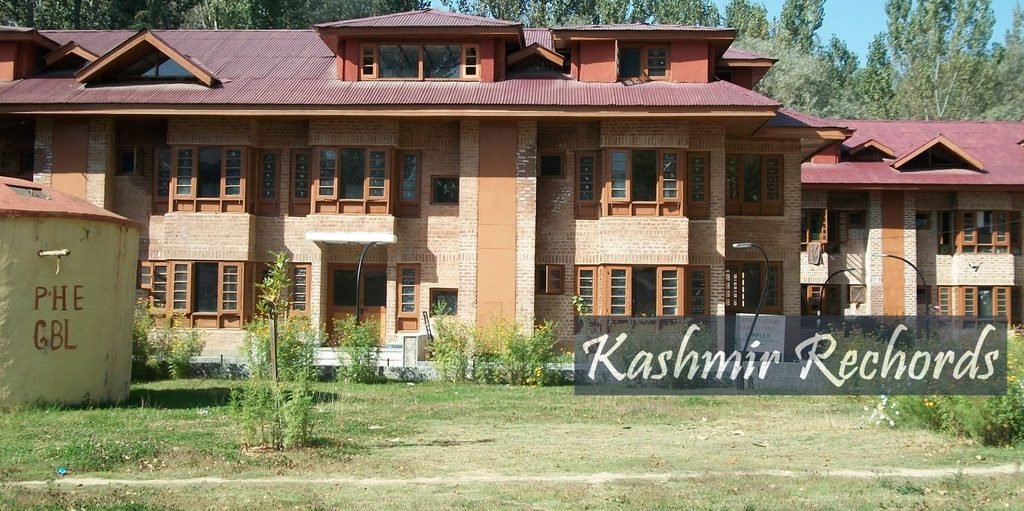
Tulmulla: From an earlier accommodation site to Wandhama
Tulmulla in Ganderbal was among the earlier locations where migrant employees and their families were accommodated.
Over time, newer residential facilities were developed, and some residents were shifted to Wandhama. A Daily Excelsior report of October 2023 quoted residents of Wandhama saying that they had been transferred there from Tulmulla after their children secured government jobs under the PM Package.
The report also noted that, at that time, 35 of the 64 apartments at Wandhama were occupied. Residents spoke of problems relating to drinking water, roads, boundary walls and other civic facilities. The relocation had provided housing, but the condition of the surrounding infrastructure remained a concern.
The report establishes that families were moved from Tulmulla to Wandhama. It does not, however, provide a definitive account of the current status of the original Tulmulla accommodation.
Is Tulmulla now vacant? Does it continue to house migrant employees? Has it been assigned to other government personnel? Is the facility being maintained, renovated or allowed to deteriorate?
The fate of Tulmulla remains an important missing chapter in the official rehabilitation record.
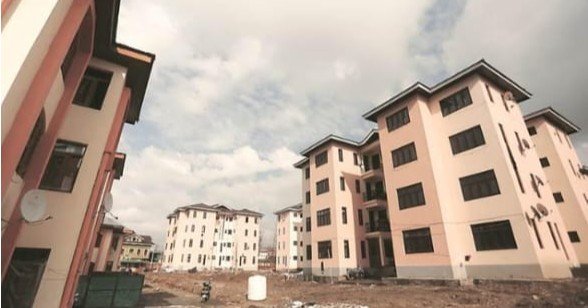
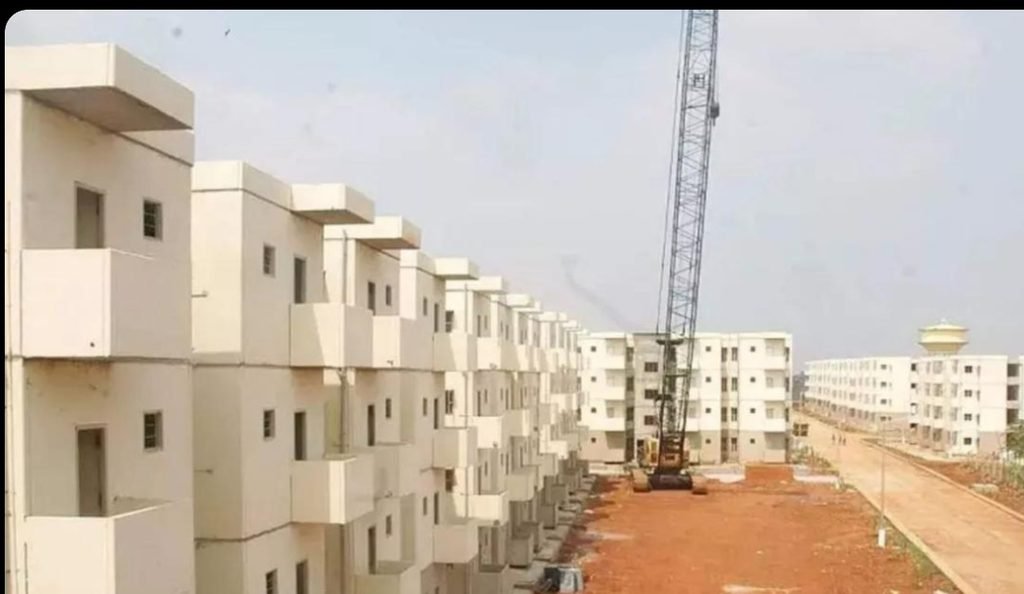
Sheikhpora: Older colony whose present occupancy needs clarification
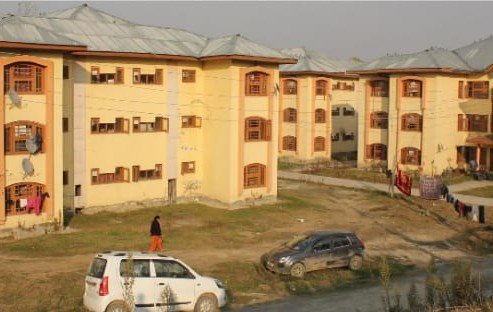
Sheikhpora in Budgam is another important site in the history of migrant accommodation.
In July 2016, the Ministry of Home Affairs stated that 200 flats had been constructed at Sheikhpora under the Prime Minister’s Package-2004 and allotted to Kashmiri migrants. The government also stated that some flats had been allotted to local migrants who had moved from their original places of residence elsewhere in the Valley.
Sheikhpora subsequently became part of the accommodation network for migrant employees. Reports in later years referred to additional two-bedroom accommodation at the site.
The figures need to be reconciled carefully. The 200 flats reported in 2016 and later construction figures may relate to separate phases or categories. Without a site-wise inventory, adding them together could lead to double counting.
The administration is unable to clarify how many flats Sheikhpora has today, how many are occupied, who resides in them, and whether the original 200 flats continue to serve the same purpose.
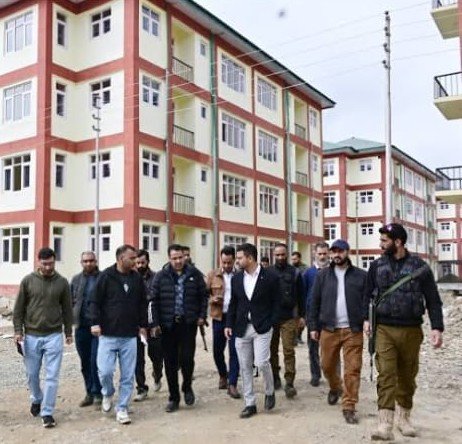
From 2008 to PMDP-2015: The expansion to 6,000 transit flats
The next major expansion came with the package approved on November 18, 2015, which provided for an additional 3,000 government jobs and the construction of 6,000 transit accommodation units in the Kashmir Valley.
The 6,000 units were linked to the employment packages. They were intended to house migrant employees appointed to government posts in the Valley.
This distinction is central to understanding the scheme. The 6,000 flats were not a general housing allocation for all displaced Kashmiri Pandit families. They were designed primarily for employees working under the PM Package.
The housing programme spread across 20 locations in 10 districts of the Valley. The sites included:
- North Kashmir: Odina, Fatehpora, Kulangam and Natnoosa.
- Central Kashmir: Kakanmaran, Sheikhpora, Babadaryadin, Wandhama and Zewan.
- South Kashmir: Machbawan, Ranbirpora, Shangus, Vessu, Chowgam, Mirhama, Lethpora and Allowpora.
In 2021, the government reported that 1,025 units had been constructed, with further units under construction or land identified. In September 2024, the Ministry of Home Affairs reported 2,296 units completed. By December 2025, the number had reached 4,096, with 3,250 allotted, according to an Assembly-related report.
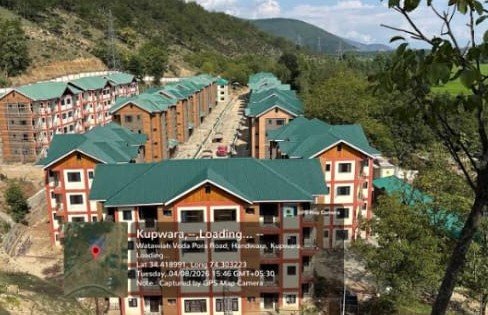
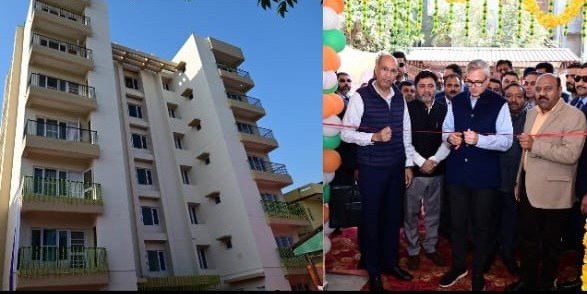
By November 2026, the government was reporting that more than 5,200 flats had been completed and over 3,800 allotted.
The difference between completed and allotted units is significant. A completed flat may not yet be allotted; an allotted flat may not yet be occupied; and occupancy by an employee does not necessarily mean that the entire family has returned to Kashmir.
November 2026: 1,416 more flats inaugurated
On November 1, 2026, Lieutenant Governor Manoj Sinha inaugurated 1,416 flats at three locations:
- Zewan, Srinagar: 936 flats across 39 blocks.
- Kakan Maran, Budgam: 192 flats.
- Kulangam Bagh, Kupwara: 288 flats.
These units form part of the larger 6,000-flat PMDP scheme; they are not an additional 1,416 units over and above the original sanction.
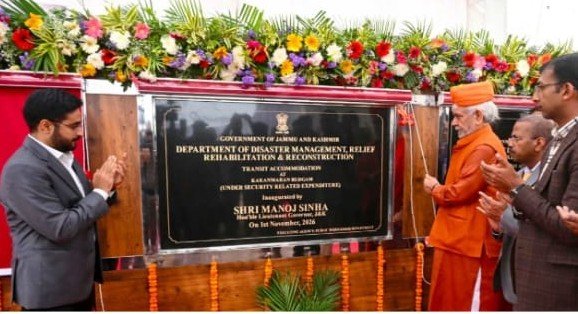
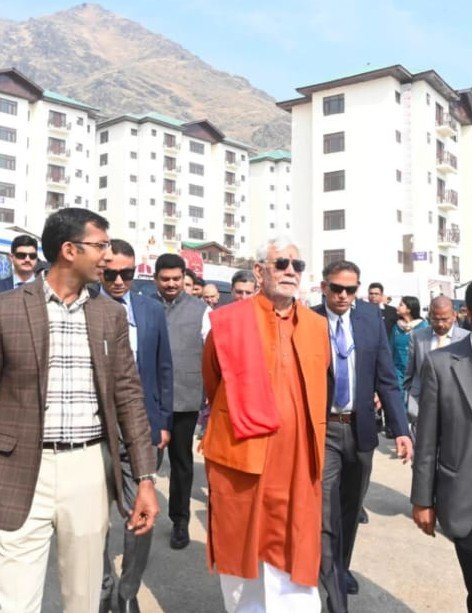
The administration described the inauguration as a step towards improving the living conditions of PM Package employees and facilitating the dignified return of Kashmiri Pandit families. It also stated that more than 5,200 flats had been completed and over 3,800 allotted.
The inauguration is a tangible development in the government’s housing programme. But it also brings the central issue into sharper focus: what is the relationship between these hundreds of employee-linked flats and the permanent rehabilitation of the displaced community?
The paradox: Migrants rebuilt their lives, without Govt housing
Over the years, a large number of displaced Kashmiri Pandit families settled outside government camps. They purchased houses, rented accommodation, built homes where they could afford to, or moved to cities elsewhere in India and abroad.
Community estimates sometimes suggest that more than 90 per cent of migrants established accommodation outside government camps without direct government housing assistance. This figure should not be presented as an official statistic unless supported by a verified survey or government record. Nevertheless, the broader reality of independent resettlement is well documented: displaced families rebuilt their lives in Jammu, Delhi, Pune, Mumbai, Ahmedabad, Jaipur, Lucknow and other places.
This independent resettlement should not be confused with return to Kashmir. A family that purchased a house in Jammu or Delhi may have achieved residential stability while remaining displaced from its ancestral home.
That is the paradox of the rehabilitation debate. A substantial number of families have had to organise their own housing and livelihood arrangements, while the government continues to construct transit accommodation in the Valley for a specific category of migrant employees.
The point is not that transit housing is unnecessary. Employees posted in Kashmir require safe and suitable accommodation. The point is that such housing serves a limited purpose and cannot substitute for a comprehensive rehabilitation policy.
How many Kashmiri Pandits actually live in Kashmir?
The government told the Rajya Sabha in July 2022 that 6,514 Kashmiri Pandits were residing in the Valley, including 2,639 in Kulgam, 1,204 in Budgam, 808 in Anantnag, 579 in Pulwama, 455 in Srinagar and smaller numbers in other districts.
This is a historical figure for July 2022—not a current population count. It also does not necessarily distinguish between families living in ancestral homes, employees residing in transit accommodation, and those staying in other arrangements.
The Ministry of Home Affairs stated in February 2026 that approximately 62,000 registered migrant families were living across the country: around 40,000 in Jammu, 20,000 in Delhi/NCR and 2,000 elsewhere. These are family figures, not individual population numbers, and they do not establish how many families are living in camps.
There is, therefore, no simple arithmetic by which the number of transit flats can be compared with the total number of displaced Pandits. The housing scheme is employee-linked, while the displaced population includes families with vastly different circumstances, locations and choices.
The question the Govt has yet to answer
The history of migrant housing in Jammu and Kashmir is a progression from tents to crude tenements, from one-room shelters to two-room quarters, from Jagti township to employment-linked residential complexes in the Valley.
The construction of these facilities represents real expenditure and, in some cases, a genuine improvement in living conditions. But the history also shows how temporary accommodation repeatedly became long-term housing, while the original objective of return remained elusive.
The fate of Tulmulla and Sheikhpora is emblematic of the larger problem. The government has announced packages, constructed accommodation and shifted employees between sites. Yet a consolidated public record of the current occupancy, use and condition of the older transit facilities remains difficult to locate.
Transit accommodation is not rehabilitation
The government’s housing programme has expanded considerably since 2008. The 2004 package provided hundreds of two-room tenements in Jammu. The 2008 package created employment-linked accommodation in the Valley. The 2015 PMDP sanctioned 6,000 additional flats, with more than 5,200 reportedly completed by November 2026.
Yet the central question remains unresolved: how many displaced families have been permanently rehabilitated in Kashmir?
A transit quarter is not a permanent homecoming. A government job in the Valley does not automatically mean that a displaced family has returned to its ancestral village. And the construction of thousands of flats cannot, by itself, be presented as the completion of rehabilitation.
The real measure of success must be more than the number of buildings inaugurated or quarters allotted. It must include the safety, dignity, choice and permanence of return—and whether families can once again live in their ancestral homes without fear.
Until that distinction is recognised in official reporting, the rehabilitation story of Kashmiri Pandits will continue to be measured in housing units, while its most important outcome—the return of a displaced community to its homeland—remains unfinished.
Sources and documentary references
- Ministry of Home Affairs, Relief and Rehabilitation to Kashmiri Migrants.
- MHA parliamentary reply, Rajya Sabha, March 25, 2026 — transit accommodation construction and allotment.
- MHA parliamentary reply, September 2024 — 2004 Jammu tenements, 2008 package and PMDP housing.
- MHA parliamentary reply, February 2026 — registered migrant families and geographical distribution.
- Jammu and Kashmir Legislative Assembly reply, February 2026 — district-wise transit housing construction.
- Daily Excelsior, October 2023 — relocation of migrant employees from Tulmulla to Wandhama.
- The New Indian Express, November 1, 2026 — inauguration of 1,416 transit flats.
- Hindustan Times, November 2, 2026 — Zewan, Kakan Maran and Kulangam Bagh accommodation.
- Parliamentary reply, July 27, 2022 — Kashmiri Pandit population remaining in the Valley.