
(By: Kanwal Krishan Lidhoo*)
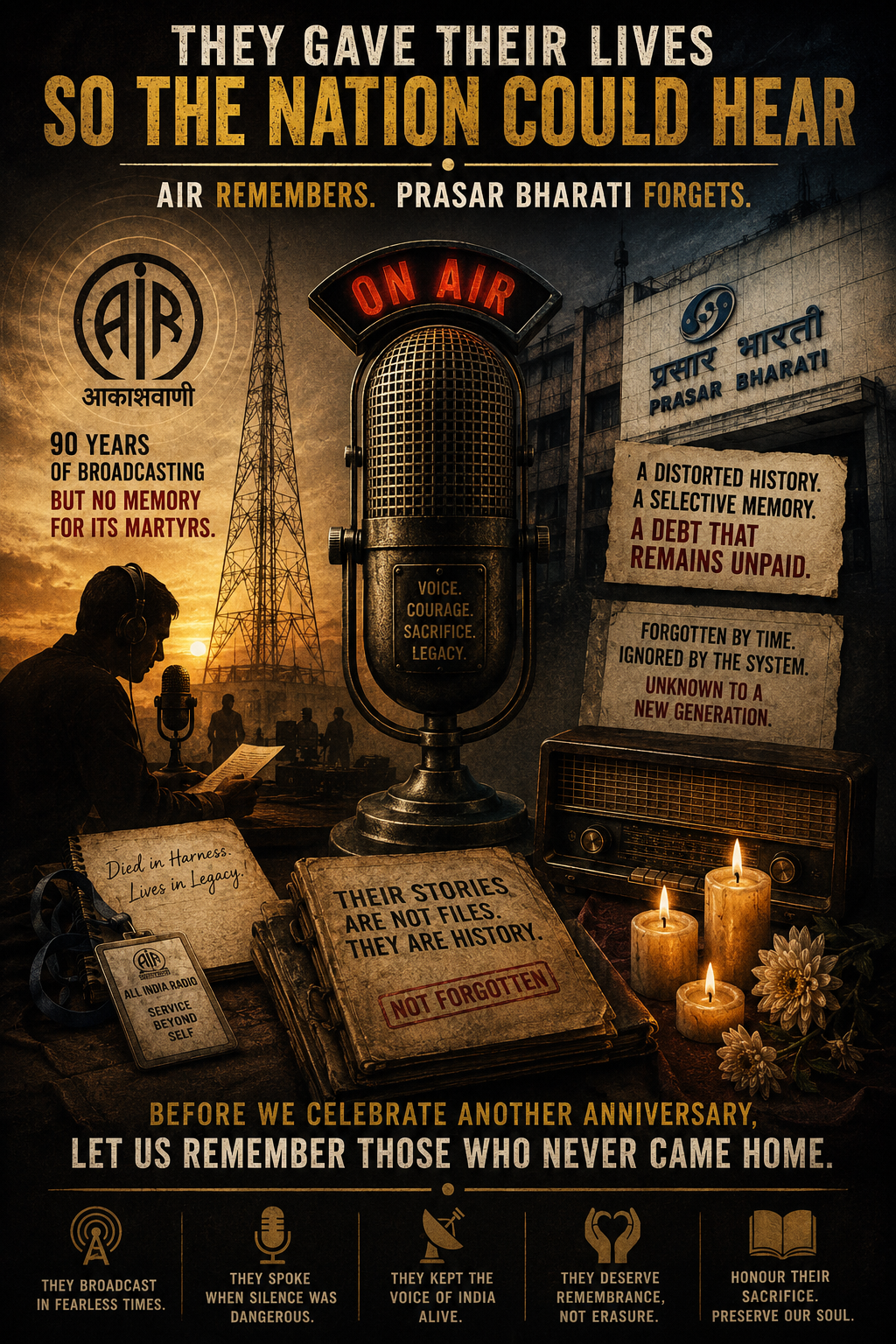
As All India Radio marks what it describes as “90 years of broadcasting,” an uncomfortable question lingers beneath the commemorative logos, ceremonial speeches and institutional nostalgia: can a broadcaster truly celebrate its history while forgetting those who died protecting it?
The institution that once prided itself on memory, documentation and voice now appears increasingly detached from some of the darkest and bravest chapters of its own past. In the rush to celebrate anniversaries — many themselves debated in chronology and historical context — an entire generation of broadcaster-martyrs has quietly faded from institutional memory.
There is little serious reflection on those who died in service. Few documentaries revisit their sacrifices. Hardly any structured effort exists to educate younger recruits about the men who kept the microphone alive during years of insurgency, terror, intimidation and war.
Today, many among the younger staff of AIR — and even within the upper echelons of Prasar Bharati — may scarcely recognise the names of M. L. Manchanda, Lassa Kaul or R. K. Talib.
Yet these men belonged to a generation for whom broadcasting was not merely a government assignment. It was a frontline responsibility.
The Murder of M. L. Manchanda
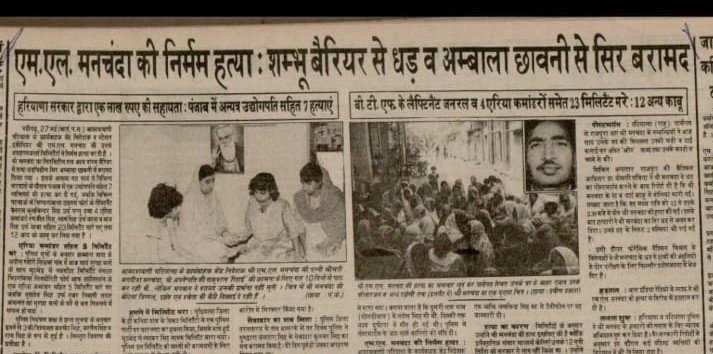
Among the most painful examples is that of M. L. Manchanda, who was abducted and killed in May 1992 during the height of Khalistani militancy in Punjab.
Associated with AIR Patiala, Manchanda was reportedly kidnapped by militants belonging to the Babbar Khalsa group. According to documented accounts, the militants demanded greater prioritisation of Punjabi broadcasts over Hindi programming. When Manchanda did not concede within the deadline allegedly imposed upon him, he was murdered.
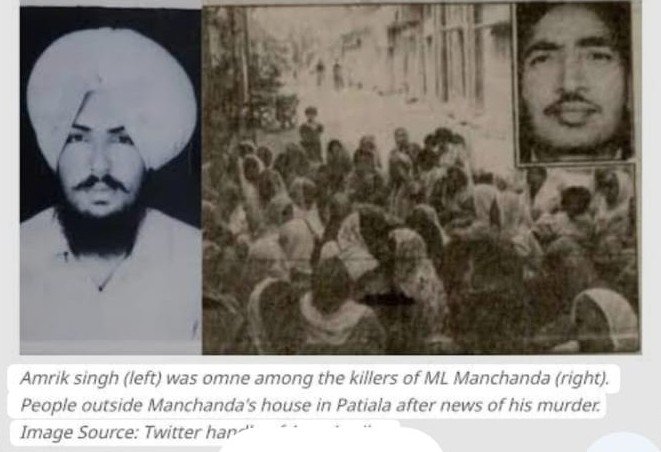
His killing shocked India’s broadcasting and journalistic community. He was beheaded — one of the most horrifying attacks ever carried out against an employee of India’s public broadcasting system.
Kashmir Rechords possesses some of the graphic archival photographs linked to the case, including images of Manchanda after the killing, but has consciously refrained from circulating them out of respect for a man who, ironically, now stands largely forgotten by the very institution he served.
The episode remains among the darkest assaults on India’s public broadcasting fraternity during the insurgency years in Punjab. Yet during the ongoing celebrations surrounding AIR’s “90 years,” Manchanda’s sacrifice has scarcely found mention.
Lassa Kaul and the Cost of Defiance
The story of Lassa Kaul is no less tragic.
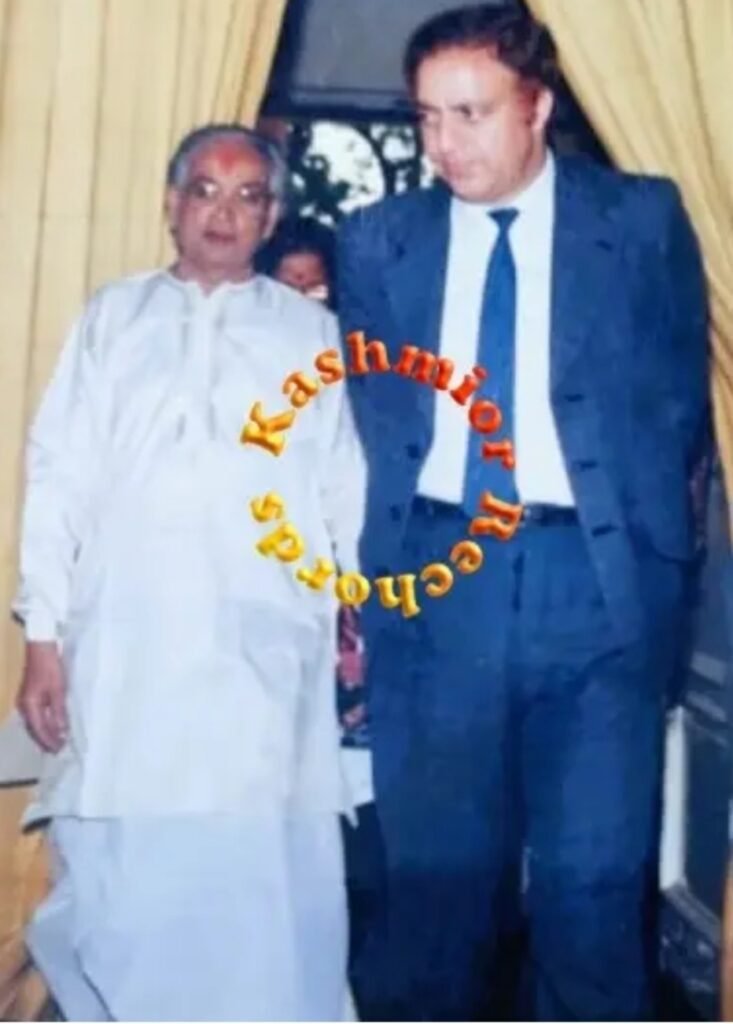
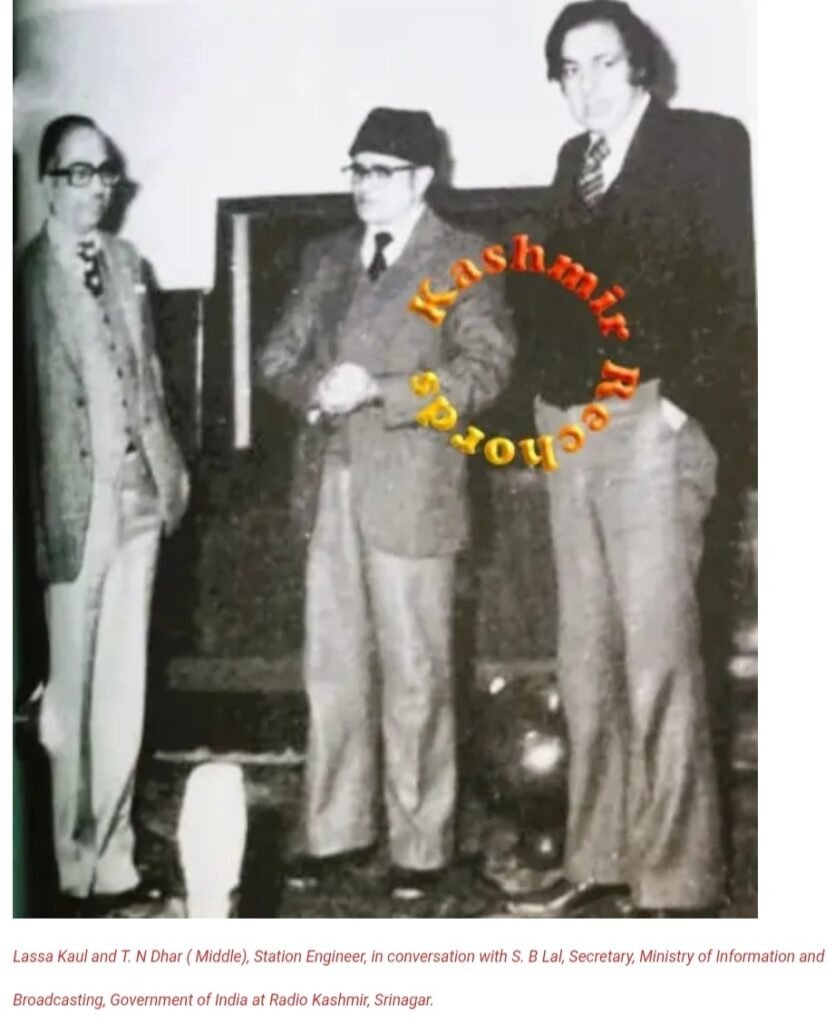
The former Station Director of AIR Srinagar/DDK Srinagar was assassinated in 1990 because he refused to bend before terrorist diktats during one of Kashmir’s most volatile periods. Kaul symbolised a generation of broadcasters who believed radio was not merely an instrument of information, but a civilisational and cultural lifeline.
For years, his memory survived through institutional recognition, including awards instituted in his honour. But even those markers gradually disappeared. Ironically, the Lassa Kaul Award for National Integration was itself withdrawn in the very era when AIR has intensified its anniversary celebrations.
It is almost as though remembrance itself became inconvenient.
Forgetting R. K. Talib
Then there were quieter figures like R. K. Talib — professionals whose contribution belonged not to glamour, but to endurance.
Broadcasters who nurtured language programming, literary culture and community trust in deeply uncertain times. It was companionship during curfews, reassurance during conflict, and continuity during social fragmentation.
Be it Lufur-ul Rehman, Kabir Ahmad or T. Angmo…the institutions often remember infrastructure more easily than individuals.Transmitters survive in files. Human courage fades in silence.
The tragedy is not that AIR celebrates its history. The tragedy is that it increasingly appears to celebrate a sanitised and selective version of it.
The history of Indian broadcasting cannot be reduced to anniversary branding exercises while excluding the blood, fear and courage that sustained the institution through some of independent India’s most turbulent decades.
The real story of AIR lies not merely in transmitters, buildings and timelines. It lies in the anonymous announcers who continued reading bulletins amid bomb scares. It lies in engineers who restored damaged transmitters in conflict zones. It lies in programme staff who preserved languages, folklore and cultural memory long before “content creation” became fashionable jargon.
And it lies in martyrs like Lassa Kaul and forgotten professionals like M. L. Manchanda, whose lives became collateral in the battle to keep public broadcasting alive.
*Kanwal Krishan Lidhoo is a veteran Kashmiri broadcaster, author, translator and media professional associated with All India Radio for over three decades. He served as Senior Producer and Programme Executive at Radio Kashmir Srinagar and Radio Kashmir Jammu.
An accredited translator with Sahitya Akademi, Lidhoo has translated several important Sanskrit, Hindi and Punjabi works into Kashmiri, including Samay Matrika, Samkaleen Hindi Kathayen, Outlines of Indian Philosophy and Nawen Yug De Waaris.
Kanwal Lidhoo is among the founding directors of Kashmir Rechords Foundation, dedicated to preserving Kashmir’s literary, cultural and broadcasting heritage.