
(Kashmir Rechords Exclusive)
There are artists who perform on stage, and then there are artists who become the stage itself.
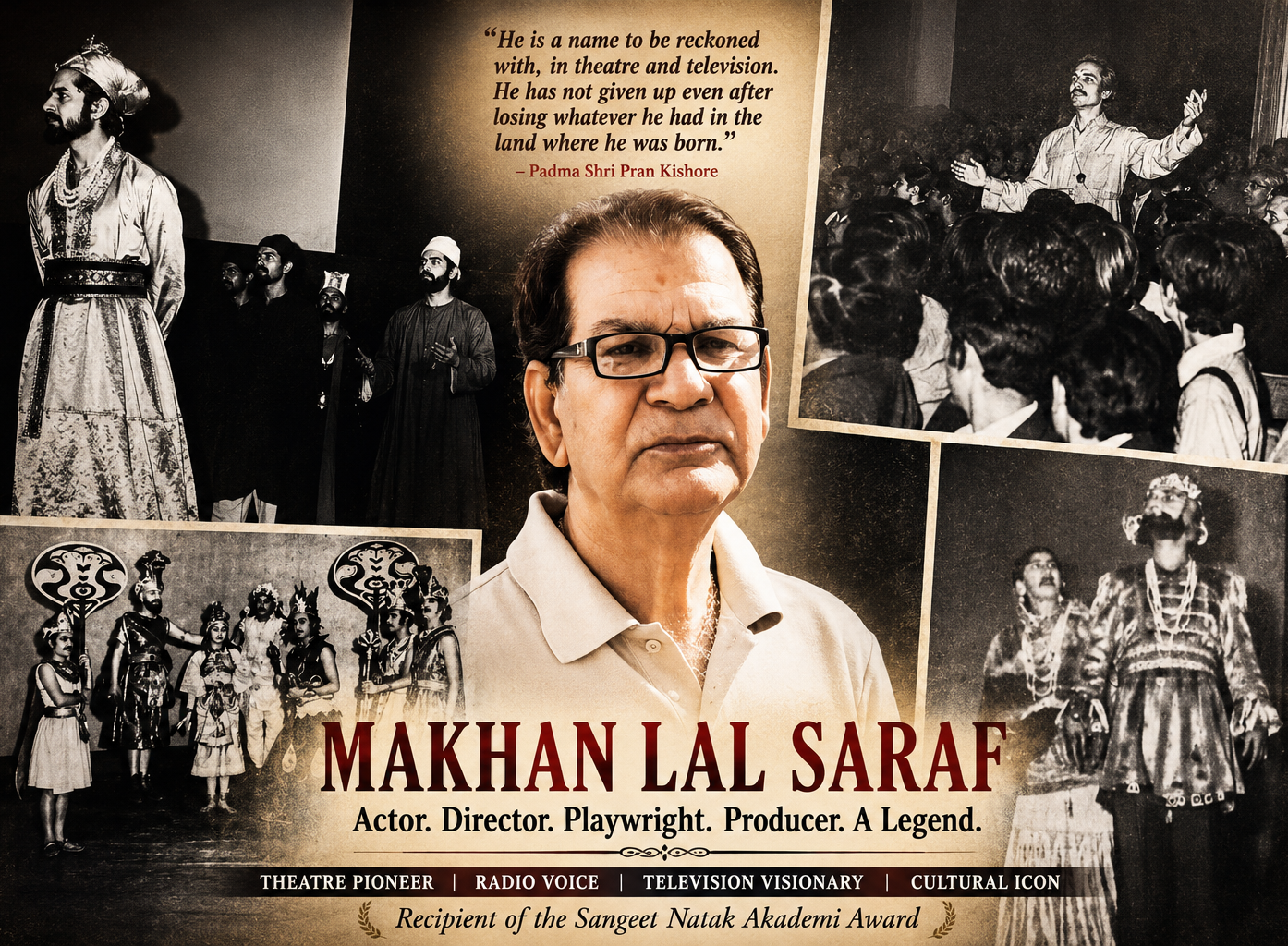
For generations of Kashmiris, Makhan Lal Saraf was not just an actor, director, playwright or broadcaster. He was a cultural institution—a familiar face, a trusted voice and a creative force whose journey mirrors the evolution of modern Kashmiri theatre and television. Today, as the veteran artiste receives the prestigious Sangeet Natak Akademi Award, the Nation finally acknowledges a lifetime devoted to preserving, enriching and reinventing Kashmiri dramatic arts.
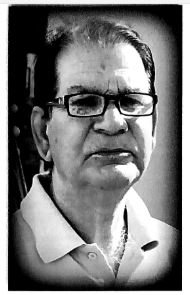
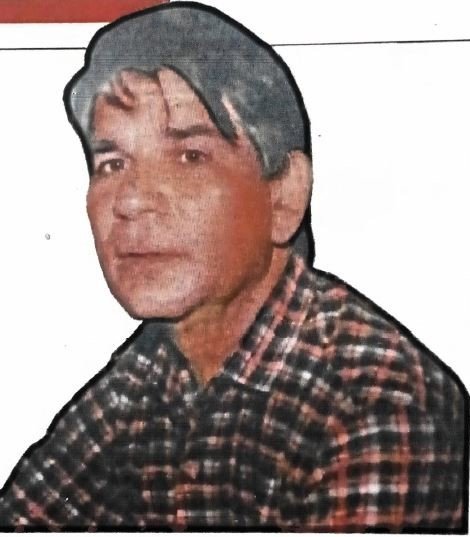
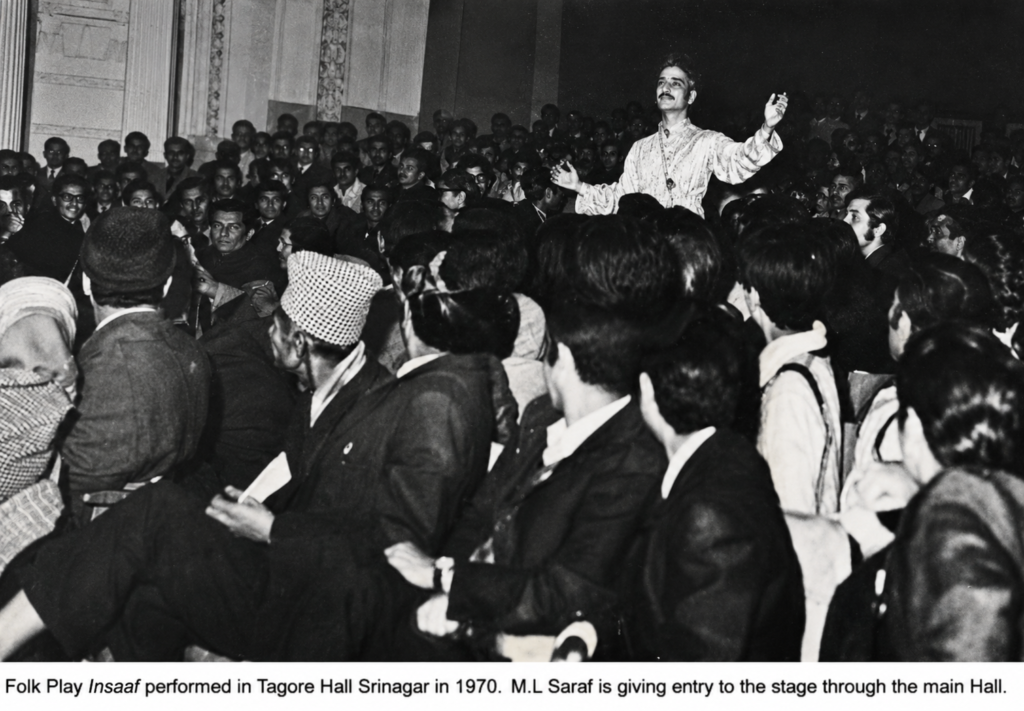
Born in Srinagar and largely self-taught, Saraf entered the world of theatre in 1957, when he joined the stage through Habba Khatoon, written by Amin Kamil and directed by Radhey Krishen Braroo. It was a modest beginning, but one that would grow into one of the longest and most distinguished careers in the performing arts of Jammu and Kashmir.
The Boy Who Fell in Love with Theatre
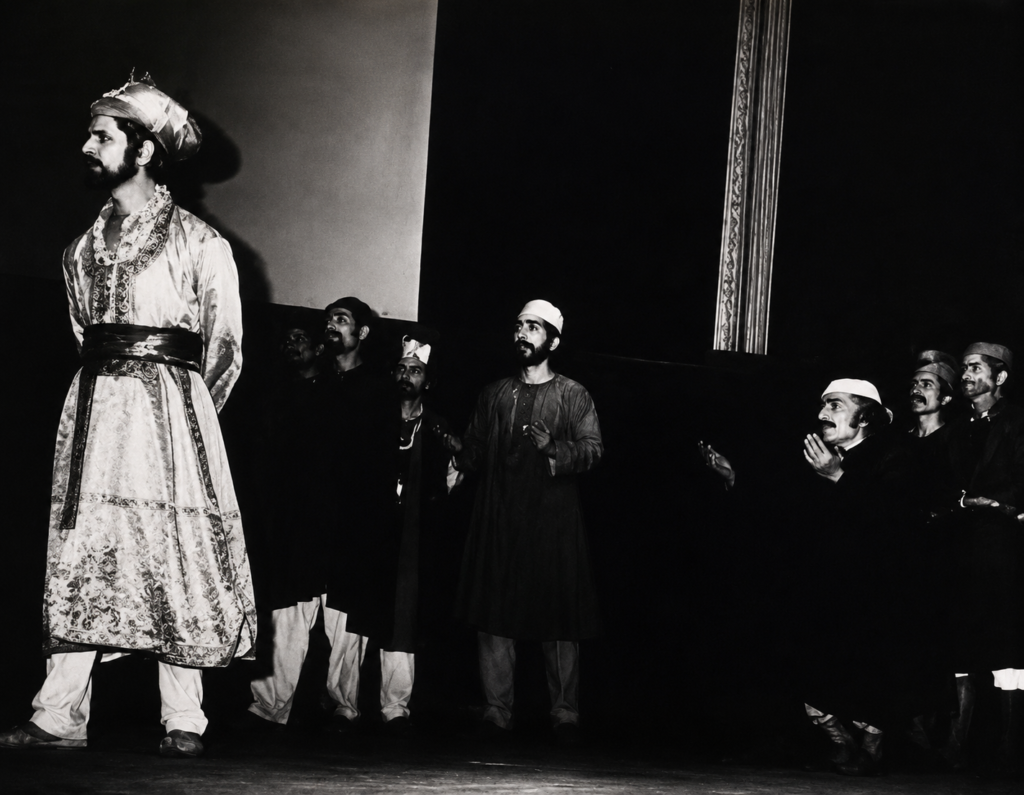
Theatre in Kashmir during the 1950s and 1960s was more than entertainment; it was a social movement. Young Makhan Lal Saraf came under the influence of stalwarts like Ved Lal Vakil, Kashi Nath Bhan, and later the legendary Pran Kishore, whose mentorship helped shape his artistic vision. He quickly became a leading figure in Kashmir’s vibrant community theatre movement.
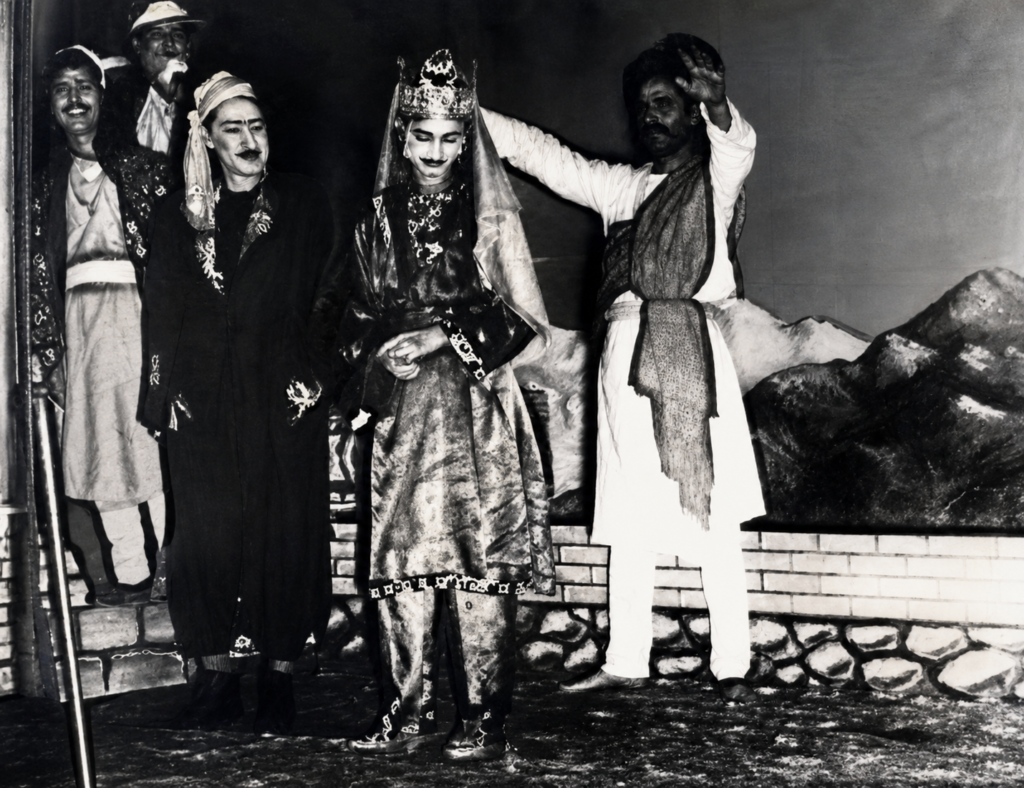
Audiences were captivated by his performances in productions such as Krishen Sudama, Tapasya, Aaram Haraam Hai, Mangoo, Hero Machama, Badshah, Vitasta, Tipu Sultan and many others. His acting combined humour, sarcasm, pathos and realism in equal measure, making him instantly relatable to ordinary Kashmiris.
Professor Arvind Gigoo aptly observed that Saraf blended humour, wisdom and social commentary so naturally that audiences embraced him as one of their own. His performances transformed community theatre into a powerful medium of social reflection.
The Voice that Entered Every Kashmiri Home
While theatre made him famous, radio made him immortal.
Beginning in 1958, Saraf became associated with Radio Kashmir, where his rich voice and remarkable versatility earned him the coveted status of an A-Grade Drama Artist. Over the decades, he performed in more than 500 radio plays, becoming one of the most recognizable voices in Kashmiri broadcasting.
The golden era of Radio Kashmir owes much to artists like him. In fact, broadcasting legend Padma Shri Pran Kishore described Saraf as an integral part of his creative journey in radio, theatre and films, calling him “a name to be reckoned with in theatre and television.”
Whether in serials such as Akh Oas Pohla, Vital Pacheesi, Vyth Rooz Pakan and Hero Machama, or in countless standalone dramas, Saraf’s voice carried stories into homes scattered across mountains, villages and towns.
A Pioneer of Kashmiri Television
When television arrived in Kashmir, Saraf was among its earliest architects.
Associated with Doordarshan Srinagar from the early years, he emerged as a top-category television artist, actor, producer, director and writer. His contribution to Kashmiri television is staggering. He wrote over 100 television serials and plays, acted in dozens more, and helped shape the language and grammar of television drama in the region.
Generations remember productions like Buniyaad, Pazar Yeli Mood, Shaher-i-Napursan, Manzil Nika, Reza Reza, Gulam Daag, Sindbad Machama, Nooristan, Samanbal and many others that bore his creative imprint.
Long before streaming platforms and digital content, Saraf had mastered the art of telling local stories with universal appeal.
Actor, Director, Playwright—All in One
Few artistes have worn as many creative hats as Makhan Lal Saraf.
He acted in more than forty major stage productions, directed numerous award-winning plays, and authored acclaimed scripts that explored social realities, moral dilemmas and human relationships.
His productions attracted some of Kashmir’s finest literary minds. Playwrights such as Ali Mohammad Lone, Pushkar Bhan, Moti Lal Kemmu, Bansi Nirdosh, Sajood Sailani, Hriday Kaul Bharti, and Avtar Krishen Rehbar wrote works that Saraf brought to life through his organisations and productions.
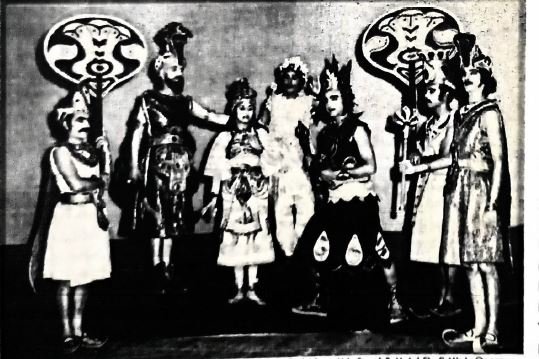
His play Rathwanday Maliniyo was staged at the National School of Drama International Festival in 2014, while his adaptation of Nove Gash drew inspiration from Rabindranath Tagore. His Kashmiri rendering of Dr. Faustus demonstrated his ability to connect world classics with local cultural sensibilities.
The Custodian of Kashmiri Theatre
Saraf’s contribution extended far beyond performance.
He founded Rungmunch Dramatic Club in 1967, Kashmir Theatres in 1973, and later the Bhoorang Foundation in Jammu, creating platforms that nurtured countless actors, writers and directors.
After the displacement of Kashmiri Pandits in 1990, Saraf carried the theatre movement with him to Jammu. Rather than surrender to despair, he rebuilt cultural institutions and kept the Kashmiri dramatic tradition alive in exile. His initiatives ensured that theatre remained a bridge between memory and identity for a displaced community.
In 1994, he launched the Sadbhavana Drama Festival in Jammu, further strengthening cultural dialogue during difficult times.
Scholar, Historian, Mentor
What distinguishes Saraf from many performers is his scholarly engagement with theatre.
His book “Theatre Movement in Kashmir” became so influential that it was prescribed in the Kashmiri Department of the University of Kashmir. He also authored “From Actor to Artist”, a guide for aspiring performers, and wrote extensively for journals published by cultural institutions including the Sangeet Natak Akademi.
Recognising his contribution to theatre studies, the Ministry of Culture, Government of India, awarded him a Senior Fellowship to research the history and folk traditions of Kashmiri theatre.
For decades, he also served as an adjudicator, mentor and workshop resource person, guiding younger generations of theatre practitioners.
The Long Road to Recognition
Awards followed him throughout his career—Best Actor honours, Best Director awards, script awards, lifetime achievement recognitions, and the J&K Government’s State Award for Performing Arts. Yet none perhaps carries the symbolic weight of the Sangeet Natak Akademi Award.
For Kashmir’s theatre fraternity, the honour is deeply emotional. It celebrates not only a remarkable individual but also a generation that built cultural institutions with passion rather than resources.
A Living Archive of Kashmir
Today, when many of the pioneers of Kashmiri theatre have faded into memory, Makhan Lal Saraf remains a living archive of that glorious tradition.
He has witnessed the journey from open-air performances at Srinagar’s parks to television studios, from analogue radio dramas to digital storytelling, from a thriving cultural landscape to displacement and reconstruction. Through every upheaval, he never abandoned theatre.
That perhaps is his greatest achievement.
The Sangeet Natak Akademi Award recognizes an artist. But for Kashmir, it honours something larger—the resilience of a culture, the endurance of memory, and the extraordinary journey of a man who spent nearly seventy years ensuring that the Kashmiri story continued to be told.
Makhan Lal Saraf did not merely act in Kashmir’s cultural history. He helped write it.
Source Note
The article draws upon details furnished by Shri Makhan Lal Saraf in discussions with the Kashmir Records Foundation at Jammu. The accompanying photographs have been procured through special arrangement and are published courtesy of Shri Makhan Lal Saraf.