Home Blog Page 22

Runa Laila and Her Only Kashmiri Song: A Timeless Classic

(Kashmir Rechords Exclusive)

Runa Laila, celebrated for her extraordinary talent and versatile voice, has left an indelible mark on the music scenes of Bangladesh, India, and Pakistan. Known for her extensive contributions to Bengali and Urdu music, Laila’s unique connection to Kashmir highlights her diverse musical repertoire.

A Memorable Visit to India

In the mid-1970s, under a cultural exchange programme Runa Laila visited India and chose to perform at All India Radio Mumbai and Radio Kashmir, Srinagar. During her April 1976 visit, she sang at Radio Kashmir Srinagar and at a public gathering in Srinagar City, organized by then Chief Minister Sheikh Mohammad Abdullah. Dr. Rafeeq Masoodi, a noted broadcaster, recalls her as a state guest, with Qaiser Qalandar and Pt. Bhajan Sopori likely aiding in the production and recording of Mahmood Gami’s song.

Captivating Performance in Kashmiri

Donning a traditional Kashmiri Pheran, Runa Laila flawlessly sang Mahmood Gami’s timeless song “Katu Chuuckh Nund Baane—Valo Ma Shok Myane.” Her confident and authentic performance was so perfect that it seemed as if she was a native Kashmiri.

Attired in Kashmiri Pheran, Rouna Laila is singing Mehmood Gami’s song.

Iconic Songs Across Languages

Runa Laila’s discography is vast and includes numerous iconic songs across various languages:

“Dama Dam Mast Qalandar”: A popular rendition of the classic Sufi song.

“Unki Nazron Se Mohabbat Ka Jo Paigham Mila”: A beautiful Hindi film song showcasing her versatility.

“Suno Suno Ye Duniya Walo“: A hit song from the 1980 film “Ghungroo” that cemented her status as a leading playback singer in Bollywood.

A Multilingual Prodigy
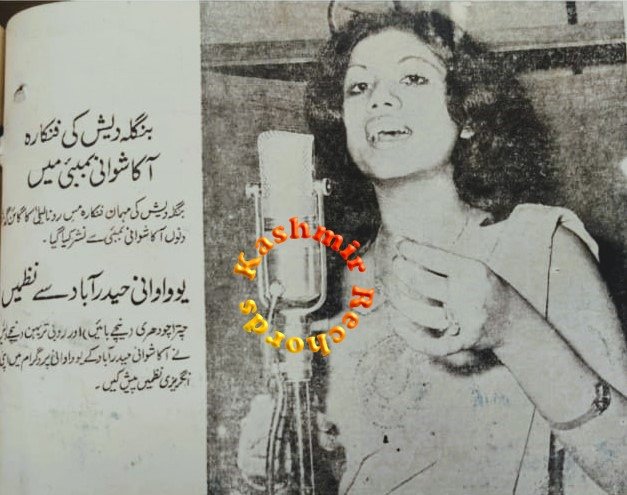
Rouna Laila in the Studios of All India Radio, Mumbai ( 1976)

Runa Laila has sung in 17 languages, including Bengali, Hindi, Urdu, Punjabi, Sindhi, Gujarati, Pashto, Balochi, Arabic, Persian, Malay, Nepali, Japanese, Italian, Spanish, French, English and Kashmiri. Her songs often capture universal themes of love, longing, and spirituality, resonating deeply with audiences far and wide, including those in Kashmir.In India, she is the Dama dam girl, who almost posed a threat to some of  Indian singers.

Here are the complete lyrics of Mehmood Gami, which were sung by Rouna Laila in 1976 at Radio Kashmir Srinagar with apt confidence and clarity:-

    • Katyu chukh Nundh Bane
    • Walo Mashook Miyane
    • Mei Korui Na Chanai Chanai
    • Walo Mashook Miyane
    • Sharabik Pyaleh Bharyoo,
    • Gulaban MaaleKkaryo.
    • Pagah Ya Kael Maryo,
    • Walo Mashook Miyane.
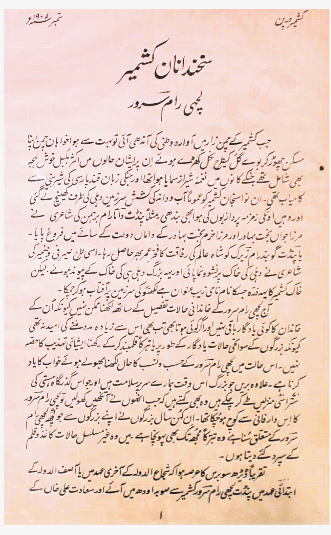
    • Katyu chukh nundh bane
    • Walo Mashook Miyane
    • Bah Surat Chukh Cze Parii,Cze Shoobi Jaamai Zarri
    • Kamov TaweezeiKkareii,
  • Walo Mashook Miyane.
Two Kashmiris Who Played a Pivotal Role in Indian Parliamentary Functioning

(Kashmir Rechords Exclusive)

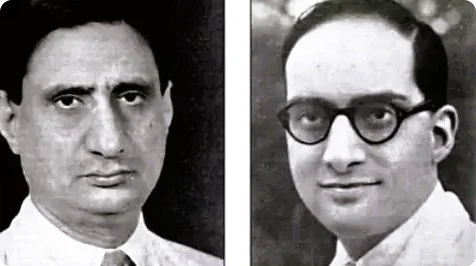
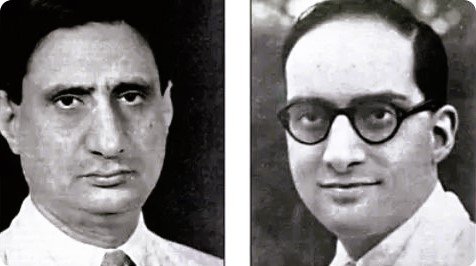
Whenever Parliament session in India is underway, it is essential to remember two great Kashmiris who were pioneers in shaping and strengthening India’s Parliamentary functioning through their extraordinary contributions: Maheshwar Nath Kaul and Sham Lal Shakdher. Both hailing from Srinagar,  their work in establishing and laying the foundation for Independent India’s Parliamentary Secretariat is particularly noteworthy.

M N Kaul: Architect of Parliamentary Procedure

Maheshwar Nath Kaul, a distinguished member of the Kashmiri Pandit community, served as the first Secretary of the Lok Sabha from 1947 to 1958. Born on 16 September 1901 in Srinagar, Kaul’s father, Manmohan Nath Kaul, was the Governor of the erstwhile Jammu and Kashmir State. Young Kaul pursued his education at the University of Cambridge and the London School of Economics, obtaining a law degree from Middle Temple. In 1926, he married Sukhraj Kak, daughter of Sir Shukhdev Prasad Kak, the then Prime Minister of Udaipur state.

Kaul initially aspired to be a Professor of Economics and was selected for the same at Banaras Hindu University. However, at his father’s insistence, he began his legal practice in 1927 at Allahabad under the guidance of Sir Tej Bahadur Sapru and Dr. K. N. Katju. A profound reader with a strong passion for writing, Kaul co-authored several books on Parliamentary procedures with his successor, Sham Lal Shakdhar. Their  authoritative book, Practice and Procedure of Parliament” remains a key reference for understanding Parliamentary operations in India.

Hindi and English versions of the authoritative book “Practice and Procedure of Parliament’ co-authored by Kaul and Shakdher

Kaul also served as the editor of the prestigious Allahabad Law Journal from 1927 to 1937. In 1937, he was appointed Deputy Secretary of the Legislative Assembly under Speaker Sir Abdur Rahim and later officiated as Secretary of the Central Assembly in 1939. From 1947 to 1950, he served as the Secretary of the Constituent Assembly, and from 1950 to 1964, he held the office of Secretary of the Provisional Parliament and later Lok Sabha. Kaul played a crucial role in framing the articles of the Constitution related to Parliament and in creating a new institutional fabric for an independent and efficient Parliamentary Secretariat.

Upon his retirement in 1963, Kaul passed the baton to his colleague Sham Lal Shakdhar, who  regarded  the former as his “Guru.” Kaul was nominated to the Rajya Sabha in 1966 and again in 1970. Due to his vast knowledge of Parliamentary Affairs, he was appointed as the Director General of the Institute of Constitution and Parliamentary Studies in 1973. Kaul passed away on 20 November 1984.

S L  Shakdher: Reformer and Electoral Visionary

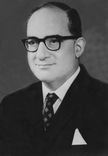
Sham Lal Shakdhar, another esteemed Kashmiri Pandit, who was Kaul’s deputy, later served as the Secretary of the Lok Sabha from 1964 to 1977 and finally as the Chief Election Commissioner of India from 1977 to 1982. His tenure in these roles marked a period of significant reform and administrative enhancement in both Parliamentary procedures and electoral management.

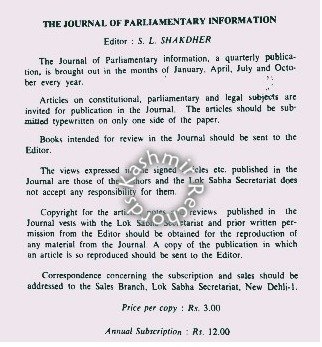
Shakdher introduced several reforms aimed at improving legislative efficiency and effectiveness. He refined parliamentary procedures, ensuring their smooth implementation and adherence to democratic norms. As Chief Election Commissioner, he oversaw the conduct of elections during a crucial period in India’s democratic evolution, working to enhance the transparency and fairness of the electoral process. Shakdhar also worked as an Editor for “The Journal of Parliamentary Information”.

Combined Legacy

Together, Srinagar-born M. N. Kaul and S. L. Shakdhar made indelible contributions to the functioning of the Indian Parliament. Kaul’s foundational work in establishing procedural norms and Shakdhar’s reforms in both Parliamentary and electoral domains have ensured that India’s legislative and electoral processes are robust, transparent, and democratic. Their combined efforts have had a profound and lasting impact on the governance of India, upholding the principles of democracy and accountability. Their pioneering roles in shaping independent India’s Parliamentary Secretariat continue to inspire future generations.

Sir Tej Bahadur Sapru: The Forgotten Advocate of Kashmiri Heritage

(Kashmir Rechords Exclusive Research)
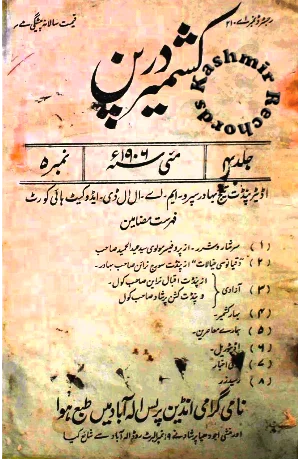
Sir  Pandit Tej Bahadur Sapru (8 December 1875 – 20 January 1949) is widely recognized as an Indian freedom fighter, eminent lawyer, and politician. However,  very few are aware of his deep connection to his Kashmiri roots, akin to the present-day Kashmiri Pandits dispersed globally following their forced  mass exodus from Kashmir in 1990. Despite not speaking Kashmiri, Pandit Tej Bahadur Sapru’s love for his ancestral land was evident. To stay connected with his roots, in 1902, he launched a monthly 50-page bilingual magazine, “Kashmir Darpan,” in Urdu  with 10 pages dedicated to Hindi. This magazine became a vital link for Kashmiri Pandits across the subcontinent, helping them stay connected with their homeland and protecting their identity.

Early Life and Education

Born in Aligarh in the United Provinces (now Uttar Pradesh), Sapru hailed from a distinguished Kashmiri Pandit family. He was the only son of Ambika Prasad Sapru and Gaura Sapru (née Hakhu). Interestingly, Sapru was an eighth cousin of Allama Iqbal, the national poet of Pakistan and a key ideologue behind the concept of Pakistan in the 1930s.
    Sapru received his education at Agra College and went on to work as a lawyer at the Allahabad High Court, where Purushottam Das Tandon, a future nationalist leader, served as his junior. He later became a dean at Banaras Hindu University. Though admitted to the Middle Temple in London on 13 December 1930, he withdrew on 14 January 1932 without being called to the English bar.

Association with Kashmir Darpan

Sapru’s political career included service in the Legislative Council of the United Provinces (1913–16), the Imperial Legislative Council (1916–20), and as a member for law affairs in the Viceroy’s Council (1920–23). However, his role as Editor of Kashmir Darpan,” published from  Nami Grami Indian Press ,Dara Ganj, Allahabad since 1902, stands out as a testament to his commitment to his community.

Connecting the Kashmiri Diaspora

Recent access to some of editions of “Kashmir Darpan” from 1903 to 1906 by Kashmir Records reveals fascinating insights about the lives of Kashmiri Pandits in areas such as Calcutta, Dhaka, Jodhpur, Hoshiarpur, Lucknow, Varanasi, Allahabad, Jalandhar, Lahore, Sialkot, Amritsar, Srinagar, and Jammu. Managed by Manohar Lal Zutshi, the magazine featured news of births, deaths, marriages, postings, transfers, student results, and other community-specific information, much like today’s Kashmiri-focused magazines, newspapers, and portals. Socio-cultural and political write-ups, besides prose and poetry recitations were also regular feature of this magazine.
Results of Allahabad University 1905 and 1906 and the list of those Kashmiri Pandit students who excelled in their studies.

A Kashmiri community news from Ajmer, Kanpur, Ara, Jodhpur ( 1904)

Kashmir Darpan’s Notable Contributors

Pandit Tej Bahadur Sapru enlisted renowned scholars, poets, academicians, and writers from across British India to contribute to the magazine. Notable contributors included Brij Narayan Gurtu, Kripa Shanker Koul, Manohar Lal Zutshi, Brij Narayan Chakbast, Dharam Narayan Raina, Triloki Nath Koul, Iqbal Narayan Gurtu, Syed Abdul Majid, Krishan Prasad Kaul, Prasaduman Krishan Kitchloo, Kanhaya Lal Shangloo “Mubarak’’ and Sheikh Abdul Qadir.
The writings in “Kashmir Darpan” emphasized the importance of women’s education among Kashmiris  for which he had set up a girls school exclusively for Kashmiri girl students . He was encouraging  the community to adopt business ventures rather than solely seeking jobs. The magazine highlighted successful Kashmiri shopkeepers like Pt Dharam Narayan Raina, Razdan Brothers of Amritsar, Saheb Brothers of Munti Bazar Dhaka, Swadeshi Stationery Shop owned by Jeevan Nath Ganjoo, and Ghulam Hussain & Brothers of Karachi. He had encouraged one Pandit Rameshwar Nath Kathju, a Mechanical Engineer to set-up his own venture under the name and style “ Indo-European Trading Company’’ at Brij Mandir, Rawalpindi. This company was famous for dealing with Medicines and Metal work including Boxes and heavy duty locks.

An advertisement published in Kashmir Darpan by Pandit Rameshwar Nath Kathju, who in 1905 had set-up his own venture under the name and style “ Indo-European Trading Company’’ at Brij Mandir, Rawalpindi

Sustained by Community Contributions

“Kashmir Darpan” was sustained by  annual contributions from across the subcontinent, with regular contributors like Nand Lal Tickoo of Karnal, Shyam Lal Chaku of Lucknow, Prithvi Nath Razdan of Jodhpur, Bishember Nath Mushran, Munsiff Kanpur, and Shambu Nath Hakhu of Ajmer. The magazine was also available in leading institutions and libraries of United Province and major cities of British India.

A list of regular contributors of Kashmir Darpan

An appeal from Manager Kashmir Darpan, Pt Manohar Lal Zutshi to contribute for Kashmir Darspan for the year 1905.

Sapru’s Love for Kashmir

Even as Sir Tej Bahadur Sapru was honored with the title of “Sir,” his love for Kashmir remained unwavering. His correspondence with officers of the Maharaja of Kashmir during the severe floods of 1905, highlighted in every issue of “Kashmir Darpan” in 1905, underscores his efforts to assist his fellow Kashmiris. He made numerous  successful appeals through “Kashmir Darpan” to raise the Kashmir Relief Fund, which he later handed over to the then Governor of Kashmir. Kashmir Rechords will try to publish a separate research paper on this subject shortly.

Legacy

Sir Tej Bahadur Sapru passed away on 20 January 1949 in Allahabad, seventeen months after India gained independence. His legacy, particularly through “Kashmir Darpan,” remains a cornerstone in the cultural history of the Kashmiri Pandit community.

Forgotten  Poet’s  Journey from Kashmir to Awadh and Beyond

(Kashmir Rechords Exclusive)

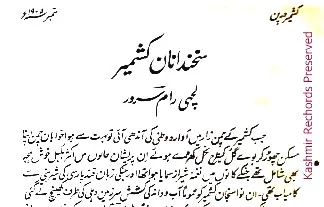
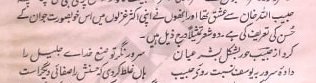
In the early 1900s, the “Kashmir Darpan” magazine captured the spirit of young Kashmiri poets driven by wanderlust and a deep love for Persian poetry. Among these seekers of new horizons was Pandit Lachhi Ram Saroor, whose life story unfolds through the rich oral traditions and historical accounts preserved in the magazine’s 1905 edition.

Early Life and Migration

Approximately 150 years before the publication of “Kashmir Darpan,” around 1755 A.D., Lachhi Ram Saroor left his native Kashmir for the culturally vibrant region of Awadh. This era marked the twilight of Nawab Shuja-ud-Daula’s rule and the dawn of Asaf-ud-Daula’s governance. Saroor’s migration was a journey into a world where Persian poetry thrived under the patronage of local rulers and the literary community flourished.

A page from Kashmir Darpan-1905, carrying a write-up on Kashmiri Poet, Lachhi Ram Saroor.

Engagement with Kandhari Publications

Upon arriving in Awadh, Saroor became deeply involved with the Kandhari publications, a significant literary outlet of the time. The Kandharis, speculated to be earlier Kashmiri migrants, provided a platform for Saroor and others to express their poetic talents. Pandit Zinda Ram, another Kashmiri, served as a scribe and later ascended to the role of Chief Manager within these publications. His collaboration with Saroor highlighted the prominent role that Kashmiris played in shaping Awadh’s literary landscape.

Romantic Bonds and Poetic Muse: Habibullah Khan

Compressed by jpeg-recompress

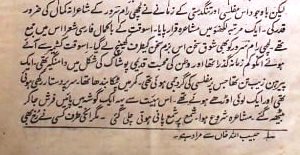
A noteworthy aspect of Lachhi Ram Saroor’s life was his relationship with another Kashmiri, Habibullah Khan, who also held a managerial position at the Kandhari publications. Their bond transcended professional collaboration, blossoming into a romantic relationship that profoundly influenced Saroor’s poetry. His verses often celebrated the beauty and charm of Habibullah Khan, reflecting the deep affection and admiration he felt. One of Saroor’s evocative couplets captures this sentiment:

The beloved made the houri assume a human form, Behold the joy that mirrors the shadow of the majestic god. The promise of joy composed in honor of Youssuf Applies to the face of the beloved, for you may have misunderstood His beauty is purity in another dimension.”

Turmoil and Migration to Indore

Saroor’s time in Awadh was not without challenges. When court intrigues turned the Nawab of Awadh against Pandit Zinda Ram, both Zinda Ram and Saroor were forced to leave. Demonstrating his loyalty and solidarity, Saroor accompanied Zinda Ram to Indore. There, they sought patronage under Maharaja Holker. Despite the initial respect they received, their integration into Holker’s court was thwarted by the surrounding intrigues and politics. Disillusioned, Zinda Ram returned to Awadh, prompting Saroor to satirize Maharaja Holker’s  one eye  blindness in his poignant verses:

Friends, Cast away the desire for silver and gold, Take the road home and abandon the journey. Expecting sight from this blind eye is a mistake, Seek vision from the one who sees, not from one who is blind.”

Literary Contributions and Legacy

Lachhi Ram Saroor’s literary legacy is preserved through his “Diwan” (collection of poems), which is a testament to his prowess in the Persian ghazal form. His handwritten manuscripts have been treasured by the elders, with “Kashmir Darpan” confirming the authenticity and quality of his work. Saroor’s poetry, influenced by the style of the renowned Persian poet Shirazi, encompasses themes of love, beauty, and longing. His collection includes nearly a hundred ghazals, meticulously crafted with attention to “Radeef” (a refrain in Persian poetry), alongside a “Masnavi” and a “Qaseeda” in honor of Habibullah Khan. True to the poetic tradition, his verses evoke themes of love, beauty, and longing for the beloved.

Enduring Kashmiri Traditions

Despite his journeys and the challenges he faced, Lachhi Ram Saroor remained deeply rooted in his Kashmiri heritage. He never amassed wealth from his Masnavis. He steadfastly wore the traditional Pheran,” symbolizing his connection to his homeland. Even as he navigated the diverse cultural landscapes of Awadh and Indore, his distinctive turban, though often soiled, graced his head with dignity and pride.

A Poet’s Resilience and Cultural Impact

Lachhi Ram Saroor’s life story, as detailed in the “Kashmir Darpan,” highlights not only his personal journey but also the broader narrative of Kashmir’s influence on Indian literary culture. His enduring commitment to his poetic craft, his romantic inclinations, and his unwavering adherence to Kashmiri traditions reflect the resilient spirit of the Kashmiri diaspora and their significant contributions to the cultural fabric of India.

Remembering the Unseen: The Plight of Kashmiri Pandits on World Refugee Day

(By: K R Ishan)
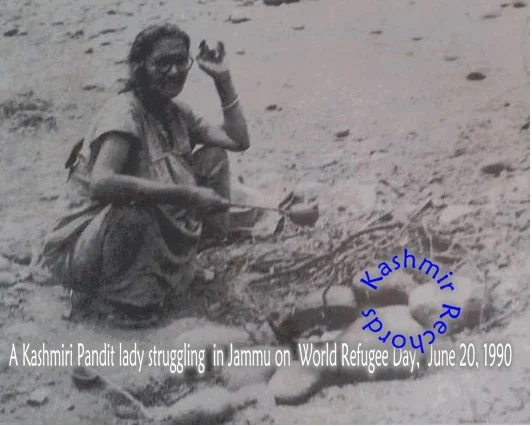
June 20th is globally observed as World Refugee Day, a day dedicated to celebrating the resilience of refugees, honoring their contributions, and reflecting on their vulnerable situations. It is a day when the world is called upon to recognize the struggles of those who have been forced to leave their homes. Yet, amid these global commemorations, a glaring omission remains—the plight of the Kashmiri Pandits.

The Misnomer: Migrants vs. Refugees

Despite matching all the criteria of refugees, the Kashmiri Pandits, uprooted from their homes in 1990, are not officially recognized as such. Instead, they are labelled “migrants,” as if they voluntarily chose to abandon their ancestral land. This misnomer belies the harsh reality of their forced exodus, reducing their trauma to a mere movement.

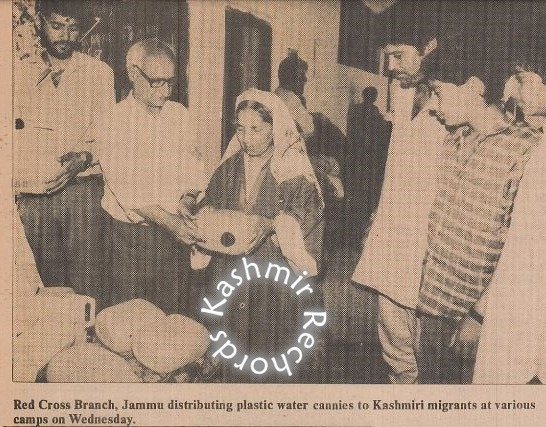
This was all stored for Kashmiri Pandits in 1990 —Empty Water Cans—Courtesy Red Cross !

The Struggle for Survival

Since their exodus, Kashmiri Pandits have been engaged in an existential battle, fighting for survival on all fronts. Their cultural genocide has been a persistent concern, compounded by the exploitation of their plight during election seasons by politicians of all stripes. Despite the authorities’ claims of rehabilitation efforts, these measures have proven grossly inadequate, leaving the Pandits to live far from their roots.

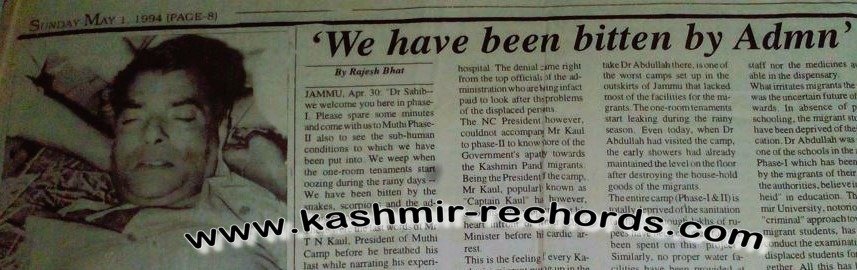
Bitten in Exile: By Snakes and Administration !

Broken Promises, Inadequate Measures

1996 Return Plan— Hollow or sabotaged?

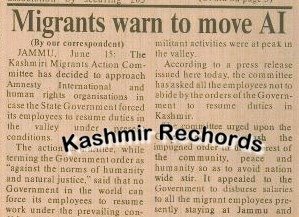
Over the past 34 years, numerous plans for their return have been proposed. However, these plans have often been nothing more than empty promises, marred by flaws or sabotaged intentionally. The community has repeatedly sought international intervention, appealing to Amnesty International and the United Nations to highlight their plight. Despite these efforts, most Kashmiri Pandits continue to live in camps or endure harsh conditions with poor sanitary facilities, forced to live and die in exile within their own country.

As we mark another World Refugee Day, it is crucial to acknowledge the ongoing suffering of the Kashmiri Pandits. They have now spent 34 years in forced exile, and yet, the recognition of their status as refugees remains elusive. This oversight is not just a bureaucratic failure; it is a humanitarian crisis that demands urgent attention and action.


Dashaar: Kashmir’s Rare but Forgotten Maha Kumbh!

(By: Dr. Rajesh Bhat*)
Shadipur Kashmir Dashaar, often likened to the revered Purna Kumbh Mela, used to be a unique and ancient festival celebrated by Kashmiri Pandits. Unlike the regularly scheduled Kumbh Melas, the timing of Kashmir’s Dashaar depends on ten specific astronomical and astrological configurations, occurring roughly every 10, 12, 36 or 75 years. Due to these ten celestial combinations, the festival is named Dashaar,” meaning ten combinations on a single day! This uncertainty in timing has led to the festival entering Kashmiri folklore as “Dahi Veher Dashaar,” literally meaning once in a Blue Moon. The festival is celebrated at the confluence of the Jhelum (Vitasta) and Sindh rivers in Shadipur, present Ganderbal district of Kashmir.
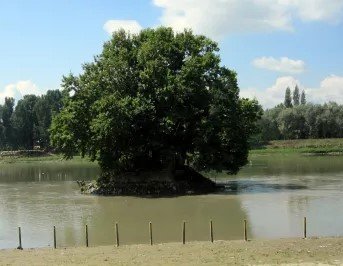
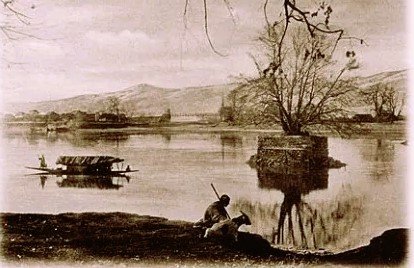
The Chinar Tree at Shadipur, Kashmir.

Historical Insights

During his post-doctoral research at the Jammu and Kashmir Department of Archives and Archaeology at Jammu, this Author stumbled upon a significant file titled Dashaar Mela at Shadipur-1941”. The festival was last celebrated on June 14, 2016, after a 75-year hiatus, with the previous celebration on June 4, 1941. Historical records  upon the perusal of this delicate file revealed that over 100,000 pilgrims  had attended the 1941 Dashaar, far exceeding the expected 40,000. An earlier celebration in 1911 saw a cholera outbreak affecting thousands of pilgrims.

Celestial Significance

The festival is celebrated every time in June (Jyeshta) under specific astrological conditions: a Tuesday or Wednesday with the Moon in Virgo and the Sun in Taurus during Ananda Yog. The confluence of the Jhelum and Sindh rivers, known as Prayag Chinar, is considered sacred, akin to the confluence of the Ganges and Yamuna at Prayag in Allahabad. Kashmiri Pandits regard the Sindh stream as the sacred Ganga and Vitasta as another name for the river Yamuna, supported by verses 305-307 in the Nilmata Purana.

The 1941 and 1911 Dashaar

The preserved file, accessed by this Author,  mentions that the 1941 festival, falling on June 4, 1941, corresponding to 22nd Jyeshta, 1998 Vikram Samvat, was declared a public holiday in the entire districts of Baramulla, Anantnag, and Muzaffarabad. The Maharaja’s government had allocated Rs 200 for rescue boats and ropes, kept Rs 500 for unforeseen expenses, and deployed 100 Maharaja Guards and Medical Officers from Sumbal and Ganderbal. Over one-lakh pilgrims had  participated, far exceeding expectations.  This was based on the report of Deputy Chief Security General, who had estimated only 40,000 devotees.
In 1911, the festival faced a terrible cholera outbreak, requiring treatment for 3,063 pilgrims. A 16-year-old  Kashmiri Pandit boy, whose identity was not revealed, had  lost his life when a boat overturned.

The 2016 Celebration

Passing the Heritage Baton to the Young…. An elderly Kashmiri Pandit with her daughter during 2016 Dashaar festival.
In 2016, the festival celebrated after 75 years, saw elaborate arrangements, including transport, security, and sanitation. Local Muslim residents provided essential supplies and boat services. The Chinar Tree, which was photographed by Fred Bremner in 1905,  was in 2016  also surrounded by water on all sides. One had to come to this Chinar tree in a boat and go up some steps to have a commanding view of the confluence. The site, with its Shiva Lingam, has been a place of worship for centuries. Kashmiri Pandits who were incidentally already in Kashmir for Mela Kheer Bhawani of 2016, also participated in the Dashaar festival that year.
The Chinar Tree at Shadipur, Kashmir in 1905, photographed by Fred Bremner.

Cultural and Spiritual Significance

Sh Sanjay Raina
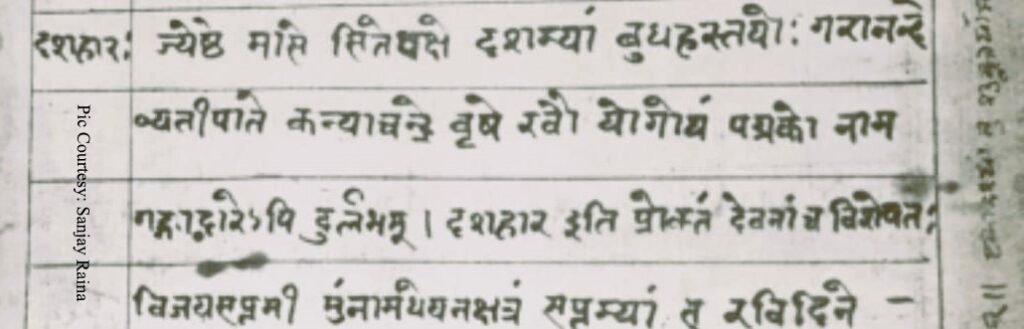
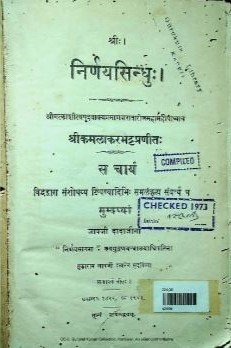
Sanjay Raina, an expert on the traditional and rituals of Kashmiri Pandits, explains,: “The Dashaar festival is always celebrated in the month of June (on 10th Jyeshta Shukla Paksha), either on Tuesday or Wednesday, with Hasta as Nakshatra, Moon in Virgo, and Sun in Taurus during Ananda Yog.” Raina cites the Nirnay Sindhu, Dashaar Nirnay book, and the rare Shadipur Dashaar Nirnay book as sacred texts documenting the festival’s significance.
A page from Shadipur Dashaar Nirnay book
Nirnay Sindu Book, 1901 that makes a mention of Dashaar Festival of Kashmir.

Looking Forward

The exact date of the next Dashaar festival will be determined by astrologers and experts, but it cannot be before June 2026, adhering to the minimum ten-year gap required the celestial combinations to align once more.
  • (The author is a writer, author, and content creator who has been involved in both print and electronic media for over 35 years)

Balraj Madhok’s 1979 Vision for Kashmir, Jammu: A Blueprint Realised in 2019

0

Kashmir Rechords Desk

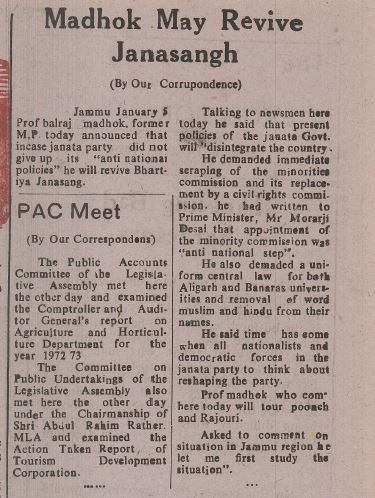
 January 1979 – The political landscape of Jammu and Kashmir was rocked by the explosive and visionary proposals of Balraj Madhok, a veteran leader of the Jana Sangh and a former Member of Parliament. Known as a “son of the soil,” Madhok’s controversial views on the reorganization of the State drew widespread attention and criticism at that time. Yet, forty years later, the echoes of his bold statements seem eerily prescient.

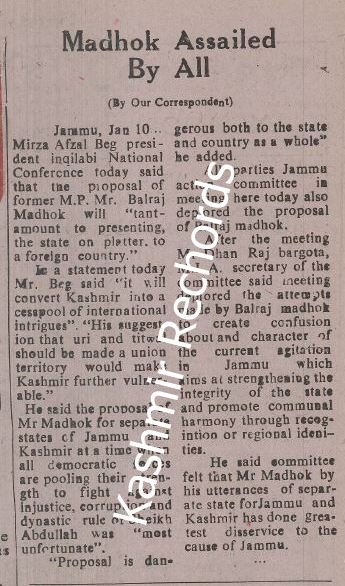
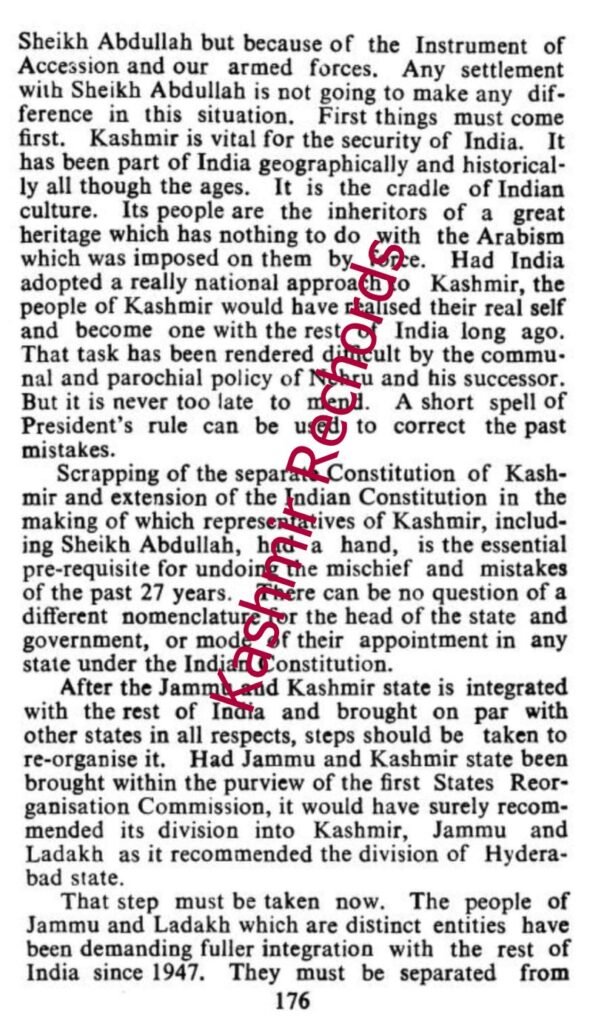
In a series of press conferences and public meetings in the Jammu region in 1979, Madhok advocated for a dramatic restructuring of Jammu and Kashmir.  Kashmir Rechords is in possession of some newspaper cuttings of that period that make a mention of these proposals and the collective condemnation he had received at that time.

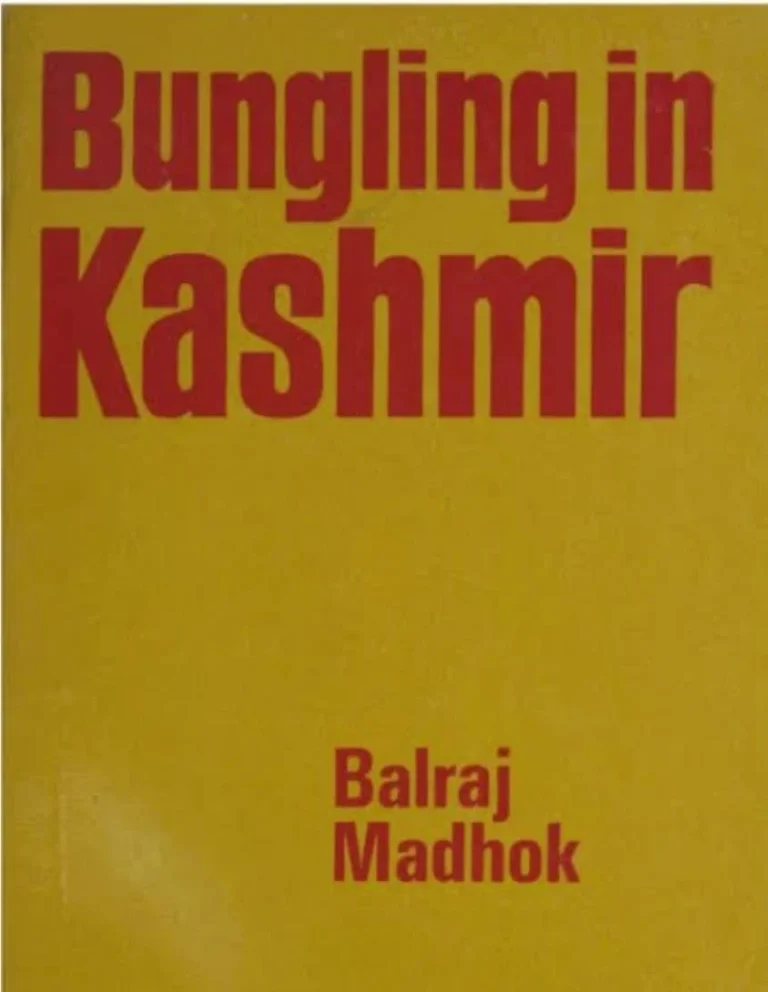
Even though at the heart of Madhok’s vision which he had shared in so many books also, he envisioned that Jammu and Kashmir State warranted a tailored administrative structure. In his scheme of things, Jammu and Kashmir regions had to function as separate States distinct from each other.

 Madhok’s Blueprint for Reorganization

While Madhok had proposed separate statehoods for Jammu and Kashmir, his advocacies had included Teetwal, Karan, and Uri areas to be crafted as Union Territory besides Ladaakh as according to him, these regions had their own distinct identity which did not align with the broader Kashmiri representation.

Madhok’s proposal of 1979…

Madhok’s proposals were naturally met with a storm of criticism from various quarters. Political leaders across Jammu and Kashmir, as well as members of the then Janata party had ridiculed and dismissed his suggestions. The idea of reorganizing the State was seen as radical and unpalatable, even within its ranks. Critics had lambasted him for sowing division and for his perceived alignment with Indira Gandhi and Sheikh Mohammad Abdullah, despite his otherwise staunch opposition to their policies.

Fast forward to August 5, 2019, and the Government of India implemented a sweeping reorganization of Jammu and Kashmir. Article 370 was abrogated, and the State was bifurcated into two Union Territories: Jammu & Kashmir and Ladakh. This historic move bore striking resemblances to Madhok’s proposals from 1979, albeit with some modifications.

Echoes of the Past: The 2019 Reorganization

Ladakh was finally recognized as a Union Territory, as Madhok had long championed.The region of Jammu and Kashmir was restructured into a Union Territory, aligning partially with Madhok’s vision, though his call for separate statehood for Jammu was not realized.

The Legacy of a Visionary

While Balraj Madhok’s ideas were deemed too radical for their time, the eventual reorganization of Jammu and Kashmir in 2019 underscores a significant, albeit delayed, validation of his foresight. Even though these proposals seemed outrageous at that time, the subsequent events and the historic move to scrap Article 370  appear to bear striking resemblance to many  features of the 1979 Madhok proposals albeit  with certain modifications after having taken into account the contemporary realities of our times.

Today, as we witness the evolving dynamics of Jammu and Kashmir, Balraj Madhok’s contributions offer a compelling narrative of how bold ideas can eventually reshape the course of history, even if their merit is recognized only in hindsight.

Madhok’s political philosophy reflects radical ideas should not be subservient to political correctness of the times.

Echoes of Devotion: The First Kheer Bhawani Mela in Exile!

(Kashmir Rechords Exclusive)
As the Wheel of Time completes  years after year since the Kashmiri Pandits began celebrating the annual Mela  Kheer Bhawani in exile, the sacred Kheer Bhawani Mela every year  evokes a poignant mix of nostalgia and sorrow. This day serves as a stark reminder of June 1, 1990, when the Mela was first time observed in exile. The normally vibrant Tulmulla shrine, under the majestic canopy of ancient Chinar trees, stood eerily silent that year, devoid of the overnight and morning devotees who once filled the air with hymns and prayers.
The shrine, typically alive with the bustling energy of pilgrims and the melodious chanting of hymns, was that year  ( 1990) cloaked in a heavy silence. The mighty Chinar trees, which once provided shade to thousands of devotees, then stood as silent sentinels over an almost deserted temple complex. The absence was palpable, as if the valley itself was holding its breath. For the first time, there were no Yatris, no processions, no vibrant bhajans, hymns, or traditional Kashmiri Leelas. The Kashmiri Pandits, who had been the lifeblood of these celebrations for centuries, were missing en-masse, forced to flee their ancestral land amidst escalating conflict.

A Valley in Transition

As I stood there, a journalist then working for the Daily Excelsior and assisting its Kashmir Desk, the melancholy of the scene was overwhelming. The temple complex echoed with emptiness, under the watchful eyes of security forces who, new to the valley, stood as silent witnesses to a tradition they barely understood. The sacred day of Mata  Kheer Bhawani seemed to slip away in the shadows of military presence and militant threats.

A first-hand account of first Mela  Kheer Bhawani  Mela in exile—June 1, 1990. For  archival newspaper cuttings, contact Kashmir Rechords. (kashmir-rechords@gmail.com)

This was not just any day. The valley was already under strict law and order on June 1, 1990, coinciding with Mata Kheer Bhawani Mela, as a significant event was unfolding. On this very day, 15-year-old Omar Farooq was installed as the new Mirwaiz of Kashmir, following the assassination of his father, Mirwaiz Maulvi Farooq, just few  days earlier.

A Lone Devotee’s Devotion

In the midst of this silence, a solitary figure caught my eye. In a remote corner of the temple, under the protective gaze of Mata  Kheer Bhawani, stood a lone Kashmiri Pandit! Despite the turmoil, this devout man had chosen not to leave Kashmir. His presence was a poignant symbol of resilience and undying faith. Associated with a Government media organization, he had stayed behind to ensure that the spiritual sanctity of the shrine remained unbroken.
With quiet determination, this devout Pandit gathered information about other  fellow Kashmiri Pandit employees still working under perilous conditions in the valley. In a remarkable act of solidarity, a few local Muslims, who also revered Mata  Kheer Bhawani, offered their help. Through their efforts, a spokesperson of the Kashmir Motor Drivers (KMD) Association was contacted, who, despite severe tension in Srinagar, arranged two buses to transport some of those scattered Pandit employees to the shrine.

The Quiet Return of Faith

As the Sun climbed higher, casting golden rays through the leaves of the Chinar trees, two buses arrived. Slowly, a small group of Pandits disembarked, their faces a mixture of anxiety and reverence. Despite the heavy guard and underlying tension, they had come to ensure that the  Kheer Bhawani Mela did not pass without its customary puja and worship.
The puja was performed that day, not with the usual grandeur but with a profound sense of purpose. The devotees, though few, followed all traditions and customs, their prayers mingling with the rustling leaves and the soft murmur of the spring where the deity is seated. It was a solemn ceremony, deeply moving, a quiet assertion that faith could not be silenced by fear.
This was perhaps the first puja at the shrine since the beginning of 1990. For months, the temple had been under the watchful eyes of security personnel, except for that one devoted Pandit who had pledged not to leave the shrine complex until his death. His unwavering presence was a beacon of hope and continuity amidst the chaos.

Years of Sparse Devotion

In the years that followed, the presence of devotees at  Kheer Bhawani remained sparse, limited mainly to employees of the Civil Secretariat, AG Office, and other Central government workers stationed in Kashmir. The shrine, once a bustling centre of spiritual activity, became a guarded sanctuary, out of reach for the majority of its community. Kashmiri Pandits, scattered and displaced, recreated their sacred spaces in Jammu, Delhi, and other parts of India, keeping the spirit of the shrine alive in their hearts and homes.
By 1997, the shrine began to see a resurgence. With the easing of tensions, Kashmiri Pandits started visiting the shrine again, either through government-sponsored transport or private arrangements made by their community. The shrine saw visits from politicians of all hues and even militant leaders, each seeking to extend their sympathies or make their presence known on the days of the Mela. Despite the political undercurrents, these gatherings also became a rare opportunity for old friends from both communities to reconnect, to remember and cherish their shared past.

A Testament to Resilience

The story of June 1, 1990, at the  Kheer Bhawani shrine is a testament to the indomitable spirit of the Kashmiri Pandits and the profound respect for faith that transcends communal boundaries. It is a story of loss and resilience, of the sacred and the profane intertwining in the valley of Kashmir. As we look back, it is a poignant reminder that even in the darkest of times, the flame of devotion burns brightly, undeterred by the shadows that seek to engulf it.

* (The write-up is a first-hand account of Rajesh Bhat, Ph.D. in Mass Communication and Journalism with over 35 years of experience as a Journalist, writer, researcher, and academician in journalism, spanning both print and electronic media. He authored “Radio Kashmir in Times of Peace and War” and has worked with prestigious newspapers and publications including Kashmir Times, Daily Excelsior and The Tribune, Chandigarh. Currently, he serves as a Faculty Member at the National Academy of Broadcasting and Multimedia, New Delhi.)i