Home Blog Page 17

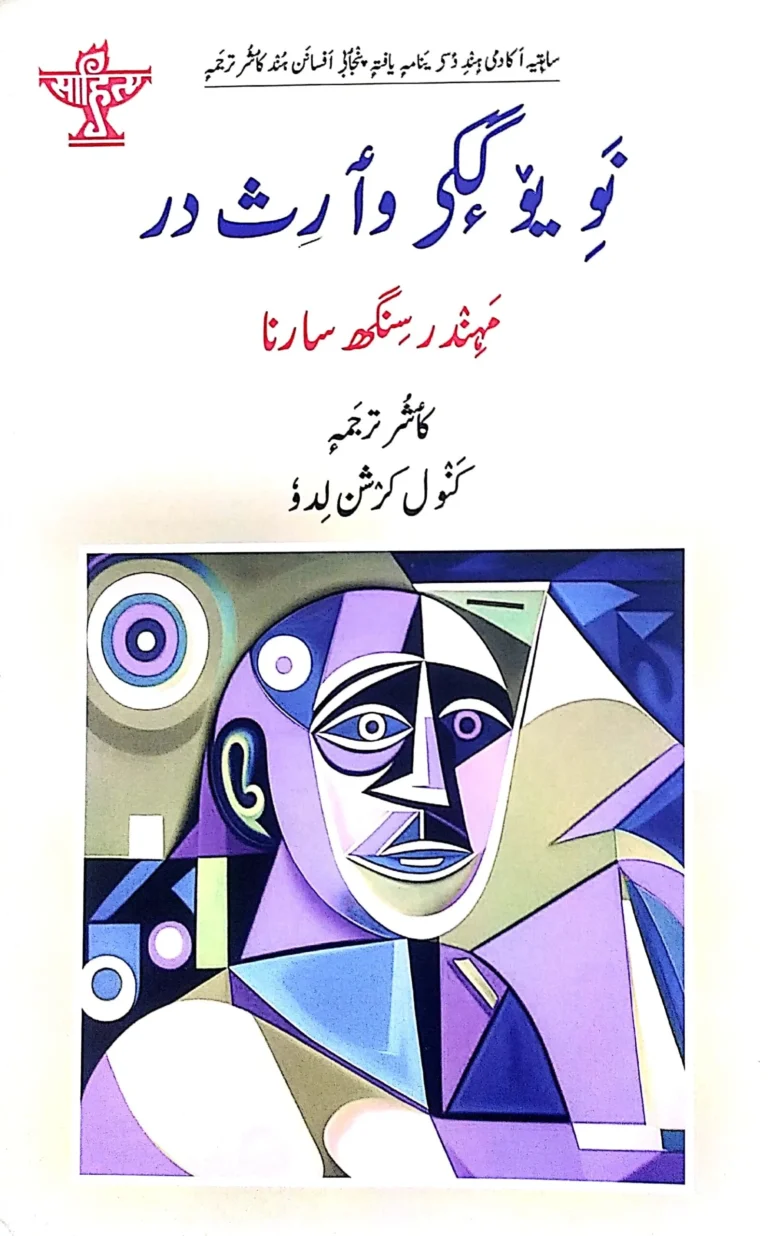
Punjabi Literary Gem Nawen Yug De Waaris Now Available in Kashmiri

( Kashmir Rechords Reporter)

Sahitya Akademi, Delhi  has recently  released Nawen Yug De Waaris, the celebrated Punjabi short story collection by Mohinder Singh Sarna, now masterfully translated into Kashmiri by renowned translator Kanwal Krishan Lidhoo, who is currently one of the Directors of Kashmir Rechords. This  Kashmiri translation represents a unique cultural bridge between Punjab and Kashmir, showcasing a shared legacy of storytelling that resonates with both regions.
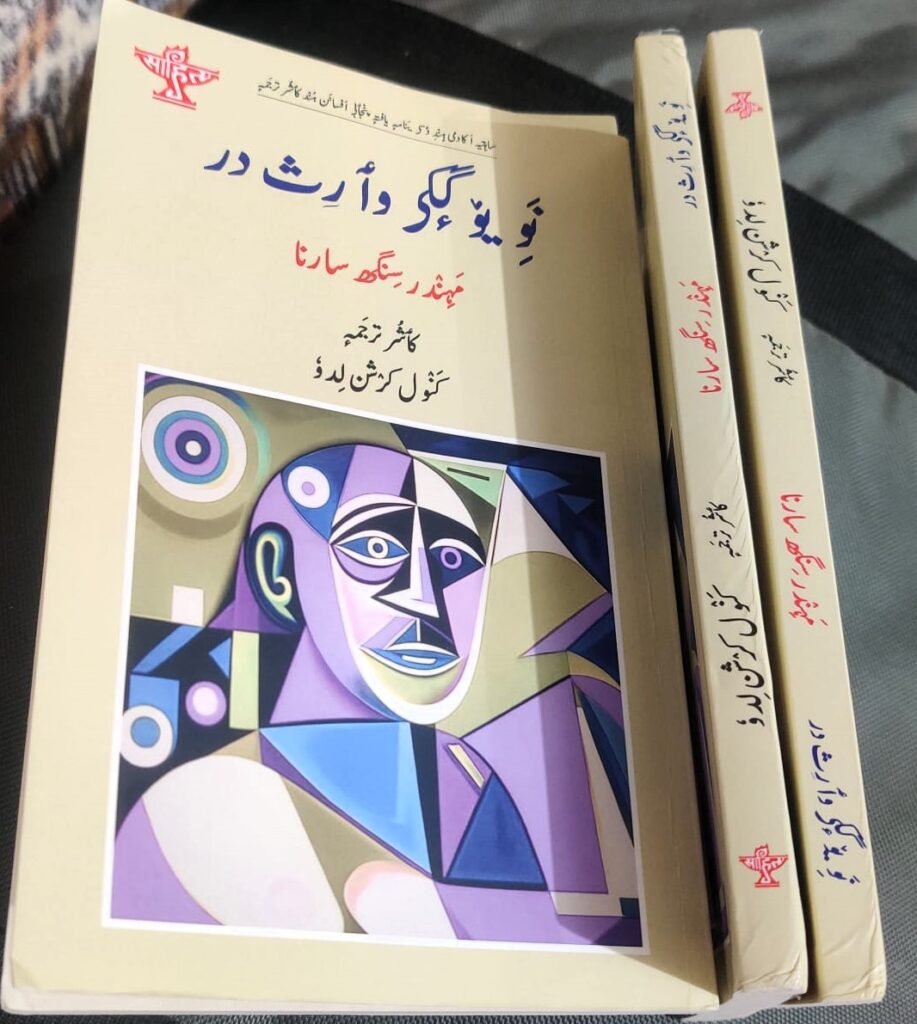
Originally published in 1991, Nawen Yug De Waaris is regarded as a landmark in Punjabi literature, receiving the prestigious Sahitya Akademi Award. The collection explores a wide range of themes, including the tragedy of Partition, exploitation of the marginalized, psychological struggles and moral crises, all of which continue to resonate with today’s global issues.

Mohinder Singh Sarna: A Master Storyteller

Born in 1923 at  Rawalpindi , Punjab of British India,  Mohinder Singh Sarna’s stories capture the human condition, blending dark realities with undertones of hope. His works reflect the erosion of moral values in contemporary society, yet they also offer glimpses of human resilience. As a revered figure in Punjabi literature, Sarna’s prolific output includes short stories, novels, essays, and epics that have enriched the Punjabi literary tradition.

Mohinder Singh Sarna who passed away in 2001, was an Indian civil servant and novelist who wrote in the Punjabi language and  won the 1994 Sahitya Akademi Award for his short story collection Nawen Yug De Waris,now available in Kashmiri ( thanks to the efforts of Mr Lidhoo). He is the father of diplomat Navtej Sarna, also  an Indian author, columnist and former Indian Ambassador to the United States having  previously served as the High Commissioner of India to the United Kingdom, and the Ambassador to Israel.

Kanwal Krishan Lidhoo: The Accomplished Translator

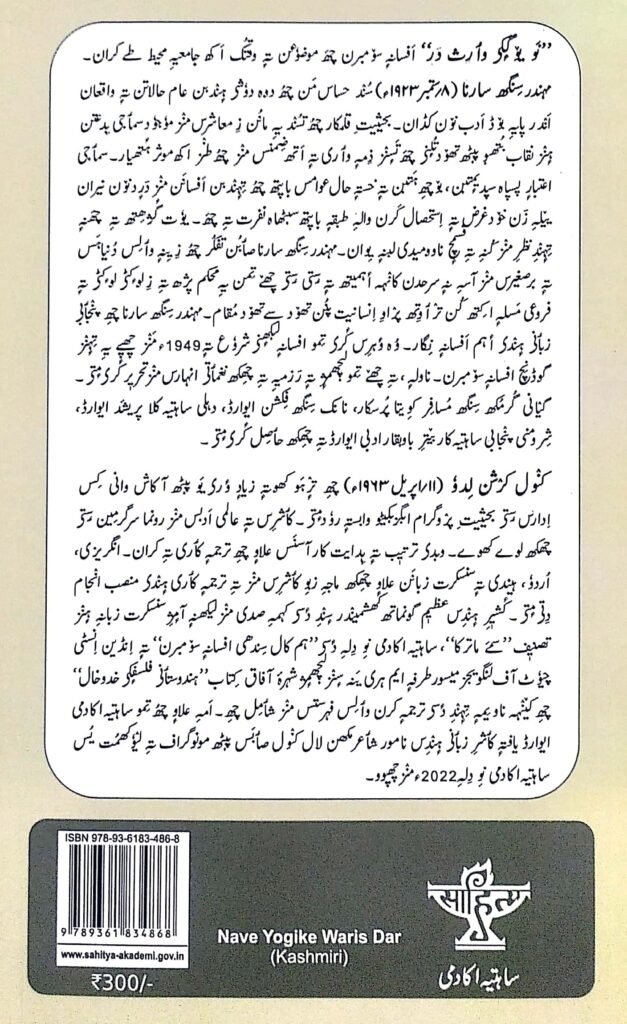
The Sahitya Akademi entrusted the translation of Nawen Yug De Waaris to Kanwal Krishan Lidhoo, a renowned translator proficient in Urdu, English, and Hindi, but primarily focused on translating into his native Kashmiri. Lidhoo’s background includes over three decades of service as a Senior Producer at All India Radio and he is currently one of the  Directors at Kashmir Rechords. His skillful translation of Sarna’s stories reflects his deep linguistic knowledge and cultural sensitivity.
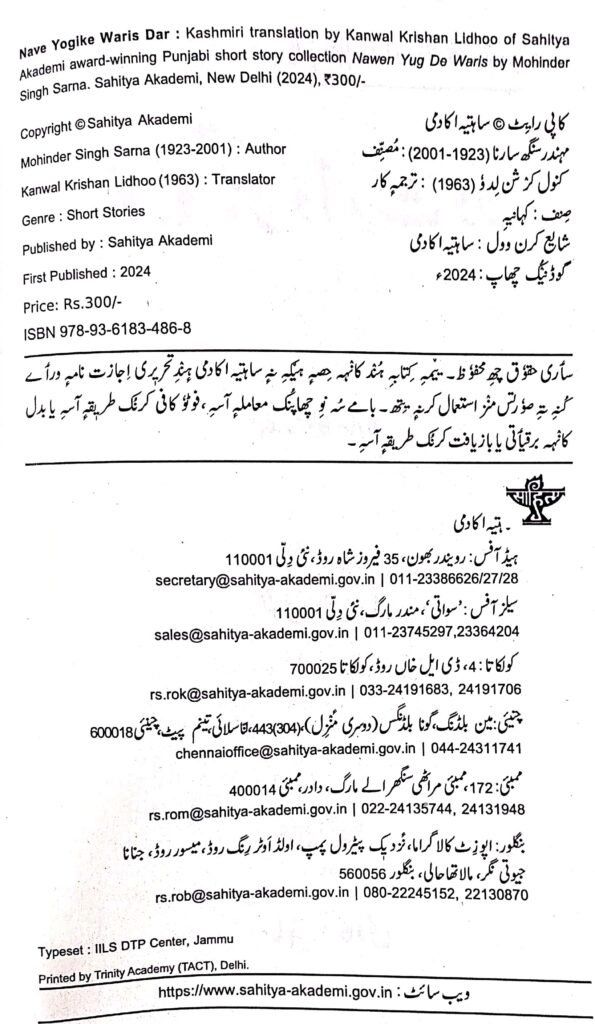
Exploring Universal Themes Through Kashmiri Translation

Lidhoo’s translation of Punjabi masterpiece includes 25 stories, many of which delve into the lasting scars of Partition, societal exploitation, and modern hypocrisies. Notable stories include Be-Mol Mokhta (“Priceless Pearl”), Akh Waadeh (“One Vow”), Vozul Taangeh (“The Red Tonga”), and Buzargan Henz Panahgah (“Old Age Home”), which echo the divisive effects of Partition. Other stories like Munshi Dhani Ram and Zolur (“Spider”) tackle societal issues, while works such as Patim Peg (“The Last Peg”) and Sartali Band Party (“The Brass Band”) critique modern life.

The Kashmiri Translation of Nawen Yug De Waaris captures the psychological depth and existential questions posed by Sarna’s stories, making them accessible to Kashmiri readers.

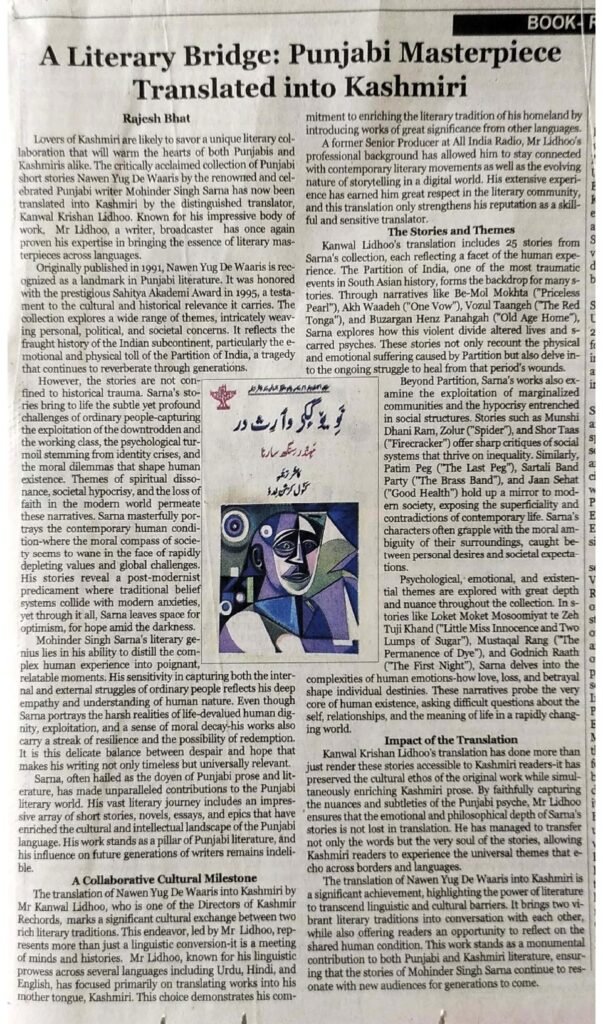
On October 6, 2024, Daily Excelsior, a prominent newspaper in Jammu and Kashmir, published a detailed write-up on the translation of Mohinder Singh Sarna’s Nawen Yug De Waaris into Kashmiri. The newspaper praised the translation for retaining the essence of Sarna’s themes while enriching Kashmiri literature.
Lidhoo’s translation of Nawen Yug De Waaris is not his first significant contribution to literature. He previously translated Samay Matrika, a 10th-century Sanskrit work by Ksemendra, into Kashmiri. This monumental project took nearly eight years and was the first translation of its kind into the Kashmiri language.

In addition,  Kanwal Lidhoo has translated several other works, including Sahitya Akademi’s Hum Kaal Sindhi Afsana Sombran and the Indian Institute of Languages’ publication Hindustaenie Falsafekie Khad-o-Khal, and a  Kashmiri translation of Outlines of Indian Philosophy by renowned Professor M. Hiriyanna.
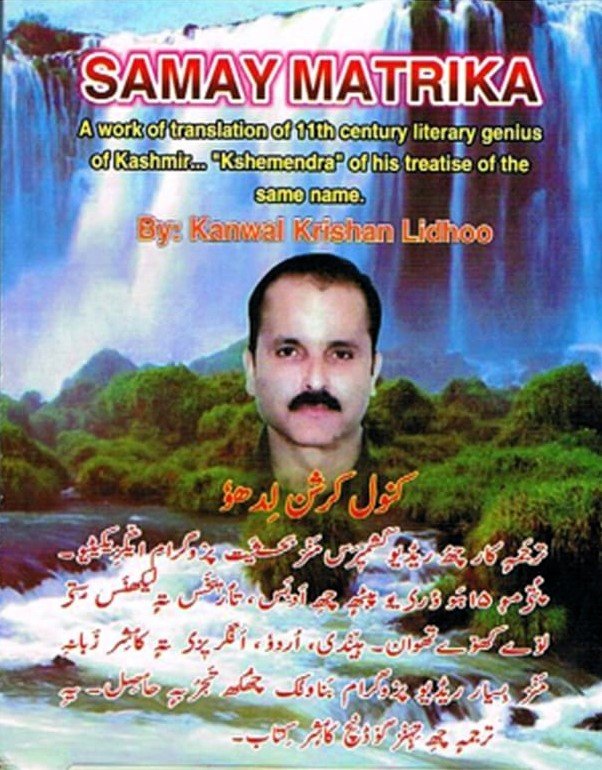
Kashmiri Translation of 10th century Samay Matrika
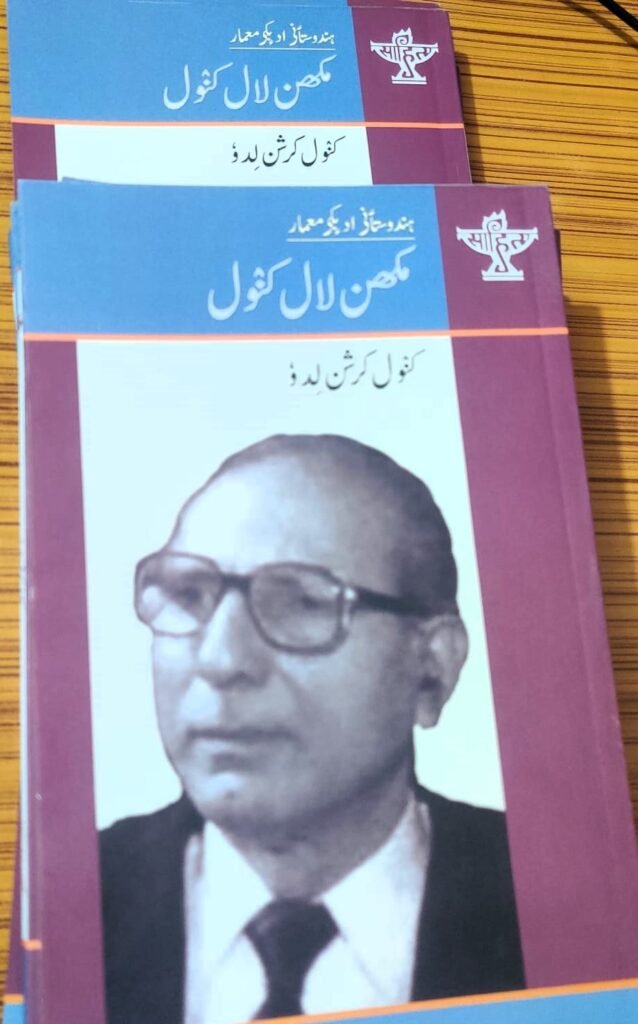
Lidhoo’s monograph on noted Kashmiri poet, Makhan Lal Kanwal

A Legacy of Excellence

Lidhoo, accredited by both the Sahitya Akademi and the Indian Institute of Languages, has a distinguished career as a translator and a veteran broadcaster. His contributions to Kashmiri, Urdu, and Hindi literature through translations, monographs, and his work with All India Radio have solidified his reputation as a literary figure.

His translation of Nawen Yug De Waaris into Kashmiri represents a significant cultural and linguistic achievement, bringing Punjabi literature closer to Kashmiri readers while preserving the universal themes of human experience.
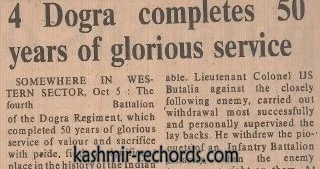
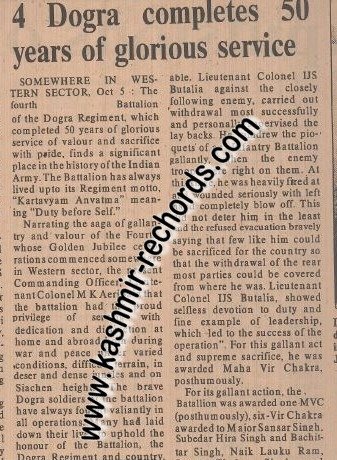
Dogra Regiment & Gorkha Rifles: Pillars of Valour in India’s Defence

(Kashmir Rechords Reporter)

Dateline: October 5, 1990

The Indian Army’s esteemed Fourth Dogra Regiment and the 3/9 Gorkha Rifles had marked their Golden Jubilee, celebrating 50 years of valour, sacrifice and service to the Nation, about 34 years ago in 1990. These battalions have earned a prominent place in the history of the Indian Army through their dedication and achievements in war and peace, under challenging conditions.

The 4th Dogra Regiment has consistently lived up to its motto, “Kartavyam Anvatma”, meaning “Duty before Self.” As stated by its  then Commanding Officer, Lieutenant Colonel M.K. Aeri, in October 1990, the battalion had the proud privilege of serving both at home and abroad, in war and peace, across various terrains including deserts, dense jungles, and the icy heights of Siachen. The soldiers of the battalion have repeatedly proven their mettle, with many making the ultimate sacrifice to uphold the honor of their regiment and country.

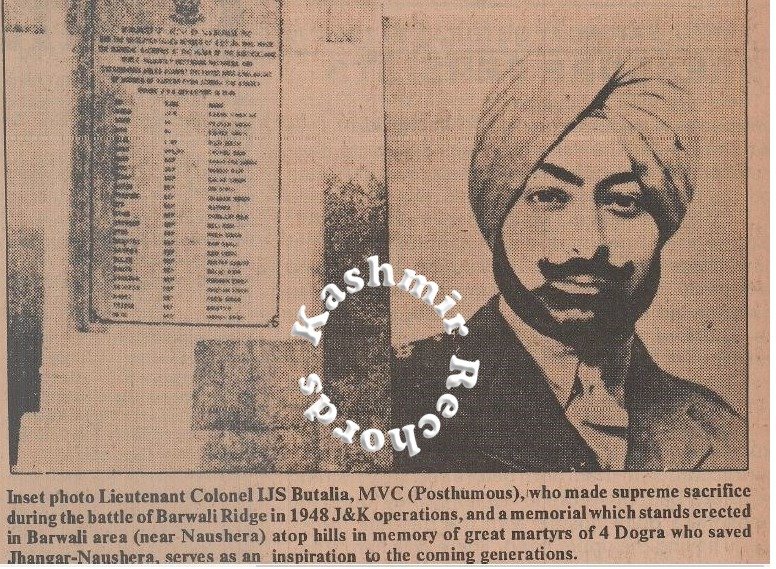
One of the regiment’s most distinguished moments came in the 1948 J&K operations when it earned the Battle Honour “Barwali” for its heroic role in the Battle of Barwali Ridge in the Rajouri sector of Jammu and Kashmir. The sacrifice of Lieutenant Colonel I.J.S. Butalia, who fell in this battle, marked a tragic yet inspiring chapter in the regiment’s history. He was posthumously awarded Maha Vir Chakra for his gallantry, and a memorial was erected in his honor near Naushera, J&K, serving as a lasting tribute to the martyrs who saved Jhangar-Naushera.

Sacrifice of Lieutenant Colonel I.J.S. Butalia

Born on February 12, 1911, Lieutenant Colonel I.J.S. Butalia was a distinguished officer of the Dogra Regiment, commissioned in 1937. During the 1948 operations in Jammu and Kashmir, he led the 4th Dogra with remarkable courage and tactical acumen, especially in battles like Kalal, Chawa, Jhangar, and Barwali Ridge. His leadership during the Battle of Kalal and later at Barwali Ridge solidified his legacy as a brave and exemplary soldier. He was the Second Commanding Officer of the 4th Dogra to be killed in action within three years, after Lieutenant Colonel R.P. Taylor in 1945. For his supreme sacrifice, Lt Col Butalia was posthumously awarded the Maha Vir Chakra, and a war memorial stands in his honor at Seri (Naushera), where he fell on February 22, 1948.

The 4th Dogra Regiment’s history is also marked by its valiant efforts during the 1962 Chinese aggression. Despite the heavy losses, the regiment upheld the traditions of the Indian Army, adding to the distinguished history of the Dogra Regiment, one of the most decorated and prestigious units in the Indian Army.

The 3/9 Gorkha Rifles

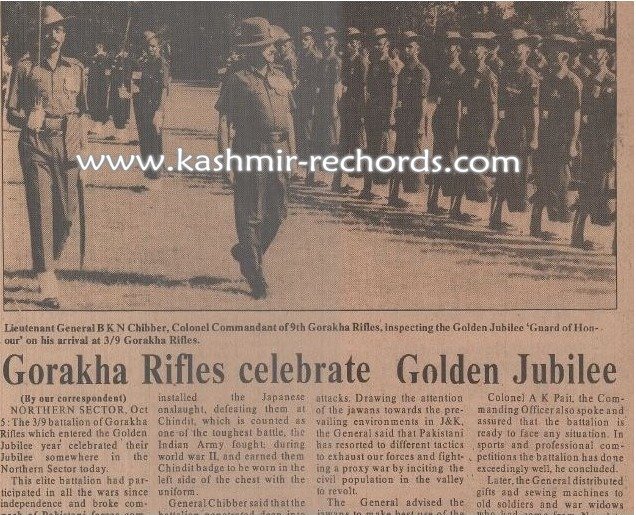
On the same day in 1990, the 3/9 Gorkha Rifles also celebrated its Golden Jubilee in the Northern Sector. This period was particularly turbulent, with Kashmir experiencing heightened insurgency, militants infiltrating the region, and the forced exodus of Kashmiri Pandits. In the midst of this chaos, the Gorkha Rifles, posted in Northern Sector, maintained their discipline and dedication to duty. The celebrations were graced by the presence of Lieutenant General B.K.N. Chibber, Colonel Commandant of the 9th Gorkha Regiment, who inspected the Guard of Honour, somewhere in Northern Sector on his arrival.

Preserving History: A Tribute to Courage

The Kashmir Rechords (www.kashmir-rechords), an organization dedicated to preserving the history and legacy of Jammu and Kashmir, takes pride in sharing the preserved newspaper cuttings of October 6, 1990, which commemorate the Golden Jubilee of these two illustrious battalions. The celebration of the Fourth Dogra Regiment and the 3/9 Gorkha Rifles is a testament to their enduring legacy, their commitment to duty, and their countless sacrifices for the security and integrity of India.

Gurudwara at Patiala: A Beacon for the Survivors of Muzaffarabad Massacre

(By: Dr. Rajesh Bhat)*

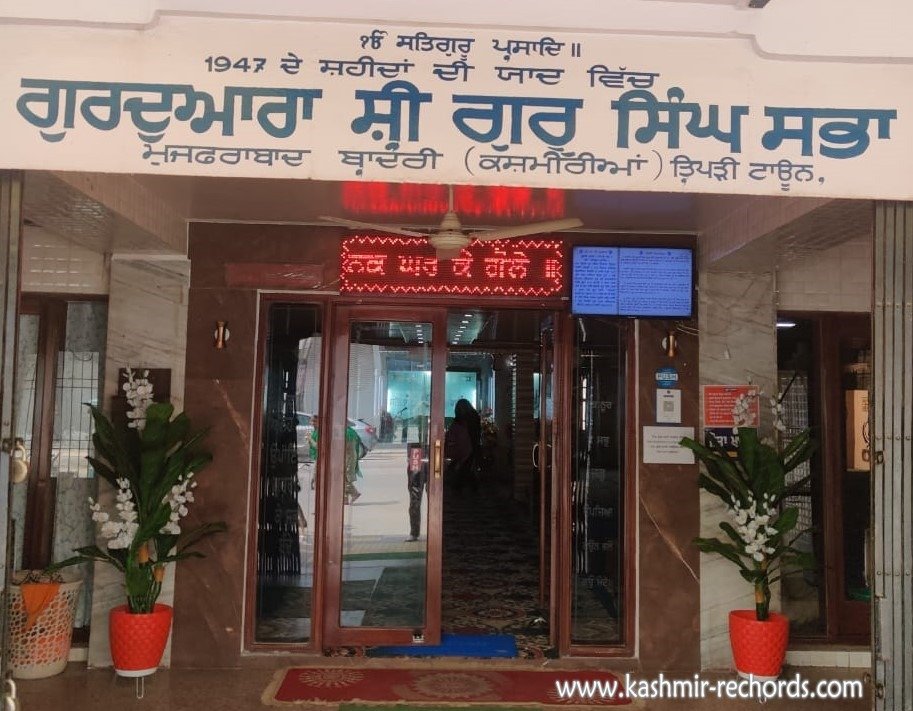
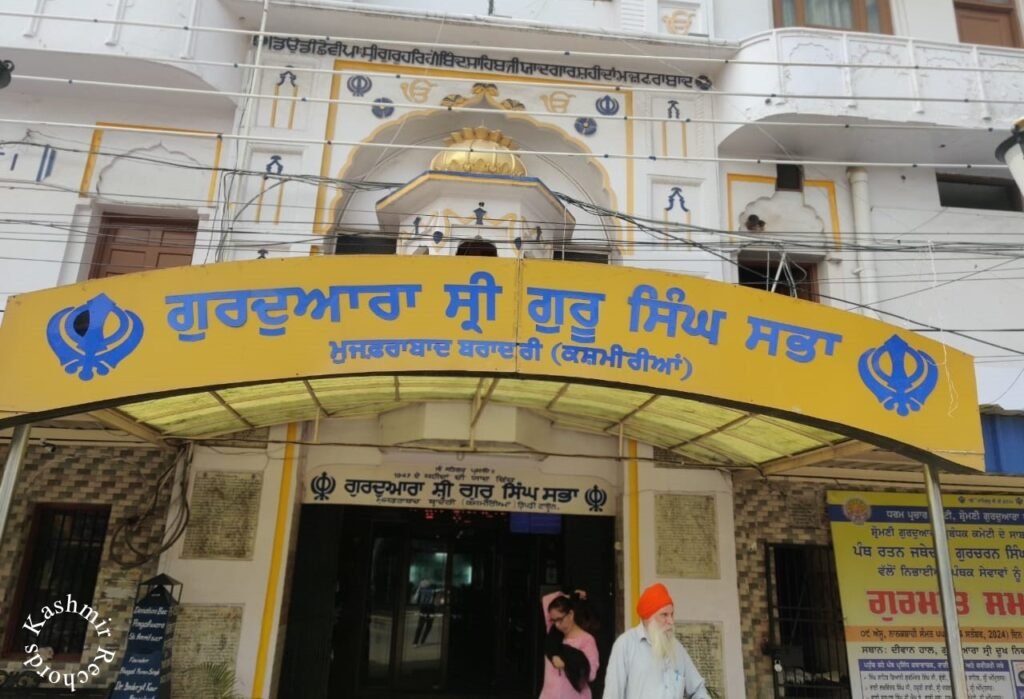
The Gurudwara, Shri Guru Singh Sabha, Muzaffarabad Baradari, Kashmirian at  Patiala, Punjab is more than a building. It is a monument to the grief, love, and resilience of a community that endured unspeakable horrors. Each year, the descendants of those 300 families gather here to commemorate the victims of the October 1947 Muzaffarabad massacre.

In the heart of Patiala, Punjab, stands a small Gurudwara—an emblem of resilience, remembrance, and hope. This sacred place is not merely a site of worship but a living testament to a story woven in pain, loss, and unyielding courage. It tells the tale of 300 Sikh families from Muzaffarabad and Kotli, whose ancestors once thrived in what is now Pakistan-occupied Jammu and Kashmir. These families lived harmoniously with their land and traditions until the tragic events of October 1947 forever altered their destinies.

The partition of India left deep scars across the subcontinent, and for these families, the impact was especially profound. When Pashtun tribesmen, backed by the Pakistani Army, stormed through the villages of Mirpur, Kotli, and Muzaffarabad, the lives of these Sikh families were irreparably shattered. Their peaceful homes were transformed into battlegrounds, and their loved ones became martyrs in a storm of violence. Thousands of Sikhs and Hindus were mercilessly killed, and women were forced to jump into rivers to escape enslavement and forced conversion.

The Escape from Muzaffarabad

Amidst this horror, around 300 Sikh families of Muzaffarabad and 20 surrounding villages  miraculously survived the massacre. Fleeing with nothing but the clothes on their backs and the grief of leaving behind their ancestral lands, they sought refuge in migrant camps, first in  Dharamshala and then at  Bhopal. Despite their immense loss, they were determined to keep the memory of their fallen loved ones alive.

Rebuilding Lives in Patiala

In 1956, after moving from migrant Camp set up at Bhopal,  these survivors finally found solace in Patiala, Punjab, where they began to rebuild their lives. Yet, they did not—and could not—forget their past. In memory of those who were killed, they united to construct a Gurudwara—a sacred place that would forever honor the souls lost in Muzaffarabad, Kotli, and Mirpur.

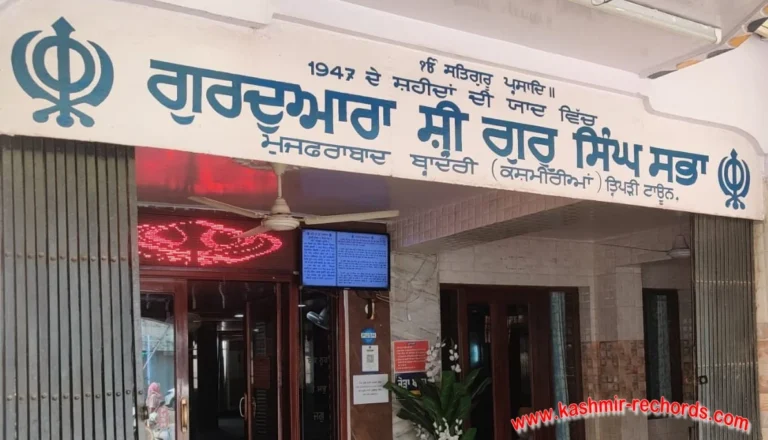
The Gurudwara Shri Guru Singh Sabha, Muzaffarabad Baradari, Kashmirian at  Tripari, Patiala, is more than a building. It is a monument to the grief, love, and resilience of a community that endured unspeakable horrors. Each year, the descendants of those 300 families gather here to commemorate the victims of the October 1947 Muzaffarabad massacre. The retelling of their ancestors’ stories serves not to reopen old wounds but to ensure the sacrifices of their people are never forgotten.

A Beacon of Strength and Memory

This Gurudwara stands as a reminder not just of the partition but of the enduring human spirit in the face of overwhelming loss. For the descendants of these families, their ancestors’ stories are not distant history but a living legacy, shaping their identity and sense of purpose.

As time passes, the physical evidence of the violence in Muzaffarabad and Kotli may fade, but the Gurudwara in Patiala ensures that the memory of those who were killed for their faith remains eternal. It serves as both a silent witness to their suffering and a powerful proclamation of their resilience. Through prayers, tears, and unwavering faith, the survivors of 1947 and their descendants keep the spirit of their homeland alive, forever yearning for the lands they were forced to leave but never truly lost in their hearts.

* Dr.Rajesh Bhat is a Kashmir-born Journalist, Writer and Researcher, formerly associated with Daily Excelsior, Jammu and The Tribune, Chandigarh. He is the Author of Radio Kashmir in Times of Peace & War.

New Book Release: A Study of Kashmir’s Agrarian System in Transition

(Kashmir Rechords Reporter)

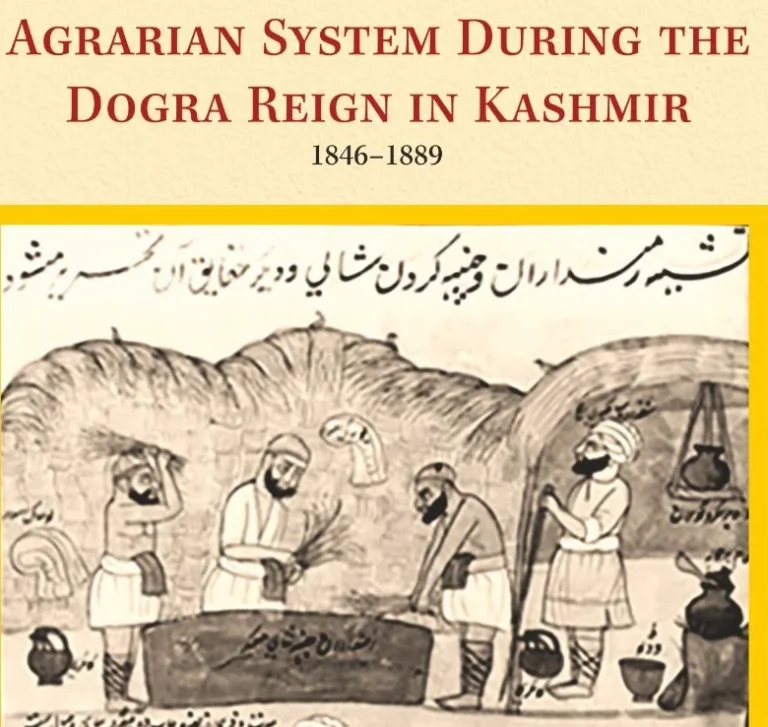
An extensive and well-researched book titled The Agrarian System during the Dogra Reign in Kashmir (1846–1889) is set to hit the shelves soon. This work delves into a critical period of Kashmir’s history, exploring the agrarian system and its impact on society during the second half of the nineteenth century.

   In this book, eminent Scholar, Professor Rattan Lal Hangloo provides an in-depth analysis of a transitional period in Kashmir’s history. While neighboring regions were moving towards modernity through political and social upheaval, Kashmir’s economy and society retained many of their medieval characteristics until the end of the nineteenth century. The author examines how the ruling elite of the time maintained control, resisting societal progress to safeguard their position.

Insights into Kashmir’s Rural Economy

The book sheds light on the competing interests among the dominant landholders and the various segments of the peasantry. Professor Hangloo meticulously explores how agricultural production was organized, including the nature of cropping patterns, agricultural technology, revenue assignments, and the role of assignees and grantees in the rural economy. He also discusses the complex relationship between land revenue administration and its impact on the peasantry, as well as trade patterns during this period.

Key Findings on Land Ownership and Manipulation of Power

One of the central revelations of the book is the absence of a pure landlord class during this era. Instead, a diverse group of land assignees and grantees manipulated the administrative system for their own benefit, further complicating the agrarian structure. Professor Hangloo’s work serves as a critical and comprehensive study of this period, offering new insights that have not been explored in such detail before.

About the Author

Professor Rattan Lal Hangloo is an esteemed scholar and historian, currently serving as Honorary Vice-Chancellor of Nobel International University (Toronto, Canada) at its USA campus and a Distinguished Visiting Professor at SRM University, Amravati, Andhra Pradesh. He has previously held notable positions such as Vice-Chancellor of the University of Kalyani, University of Allahabad, and Professor and Head of the History Department at Hyderabad Central University.

Professor Hangloo has authored numerous influential publications, including Agrarian System of Kashmir (1846–1900), State in Medieval Kashmir (reprinted in 2022 by Routledge, Francis, and Taylor), and Kashmir Before the Accession and After (2022), which was a best-seller on Amazon. His other notable works include: The Inquiries in Medieval India: Religion, Society, Culture, and Polity (2022) and Indian Diaspora in the Caribbean (2012, reprint 2015). He has also contributed over 250 papers to national and international journals.

Awards and Recognition

Professor Hangloo’s outstanding contributions to education and research have earned him several prestigious awards. These include the Senior Fulbright Fellowship (USA), DAAD Fellowship (Germany), and Fellowship by Maison des Sciences de l’Homme (FMSH), Paris. He has also been honored with the Mother Teresa International Award for Eminent Academician (2016), Sir Syed National Award for Education, and the Dewang Mehta Award for Outstanding Contribution to Education, among others.

Professor Hangloo’s research areas encompass South Asian history, politics, and culture, with a focus on the agrarian economy, state and society in medieval and modern India, and the ecological and political issues affecting Kashmir. His work continues to shape scholarly understanding of the complex dynamics of Indian and Kashmiri history.

When Election was `Jehad’ in Kashmir!

(Kashmir Rechords Exclusive)

   In the wake of the Anantnag riots of 1986, the Muslim United Front (MUF)  had emerged as a coalition of various separatist factions, including the Jammu and Kashmir Jamat-e-Islami. Their campaign was steeped in religious rhetoric, framing the elections as a form of “Islamic Jehad” .

The 1987 State Assembly elections in Jammu and Kashmir marked a pivotal moment in the region’s political history, characterized by unique circumstances that would influence its political landscape for years to come. This election not only facilitated the rise of separatist organizations but also underscored the intricate relationship between religion and politics in the area. For the first time, the elections in Kashmir were intertwined with the concept of “Jehad” (religious struggle).

   In the wake of the Anantnag riots of 1986, the Muslim United Front (MUF)  had emerged as a coalition of various separatist factions, including the Jammu and Kashmir Jamat-e-Islami. Their campaign was steeped in religious rhetoric, framing the elections as a form of “Islamic Jehad” aimed at rallying the sentiments of the populace. This strategy proved effective in consolidating the MUF’s separatist ideology, particularly  post election, as allegations of electoral rigging began to surface against the ruling party, which feared losing its grip on power.

Flayed for `Jehad’ Cry

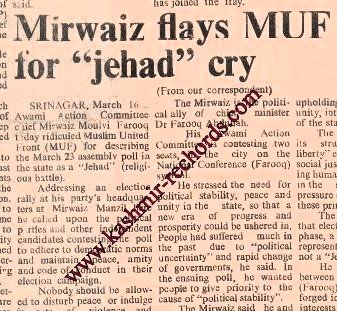
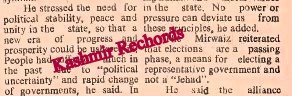
Amidst the fervor of the MUF’s campaign, one voice stood out as a beacon of sanity: Mirwaiz Moulvi Farooq. As the leader of the Awami Action Committee (AAC), he publicly ridiculed the MUF’s characterization of the March 23, 1987 elections as a “Jehad.”  At an election rally at his party  headquarter “Mirwaiz Manzil’’ on  March 16, 1987, Mirwaiz Farooq  had urged all political parties and independent candidates to adhere to democratic norms, emphasizing that elections were a means to elect a representative government, not a religious battle. His appeal resonated deeply, as it came from one of the highest religious authorities in Kashmir.

Political observers believe that  Mirwaiz Farooq’s principled stance  had played a crucial role in tempering the fervor surrounding the MUF’s campaign. His call for peace and democratic engagement likely deterred many Kashmiris from succumbing to the separatist rhetoric. Unfortunately, this principled stand came at a grave cost; it earned him the ire of separatist factions, ultimately leading to his assassination on May 21, 1990, during a period of escalating violence in the region.

Aftermath of 1987 polls

The aftermath of the 1987 elections was tumultuous. As the results were announced amidst widespread allegations of rigging, Srinagar erupted in unrest, witnessing arson and the first low-intensity explosions that hinted at the violent plans of separatist elements, which were at crescendo in 1990. The MUF, with figures like Syed Ali Shah Geelani emerging as successful candidates, signaled another chapter in the political narrative of Jammu and Kashmir.

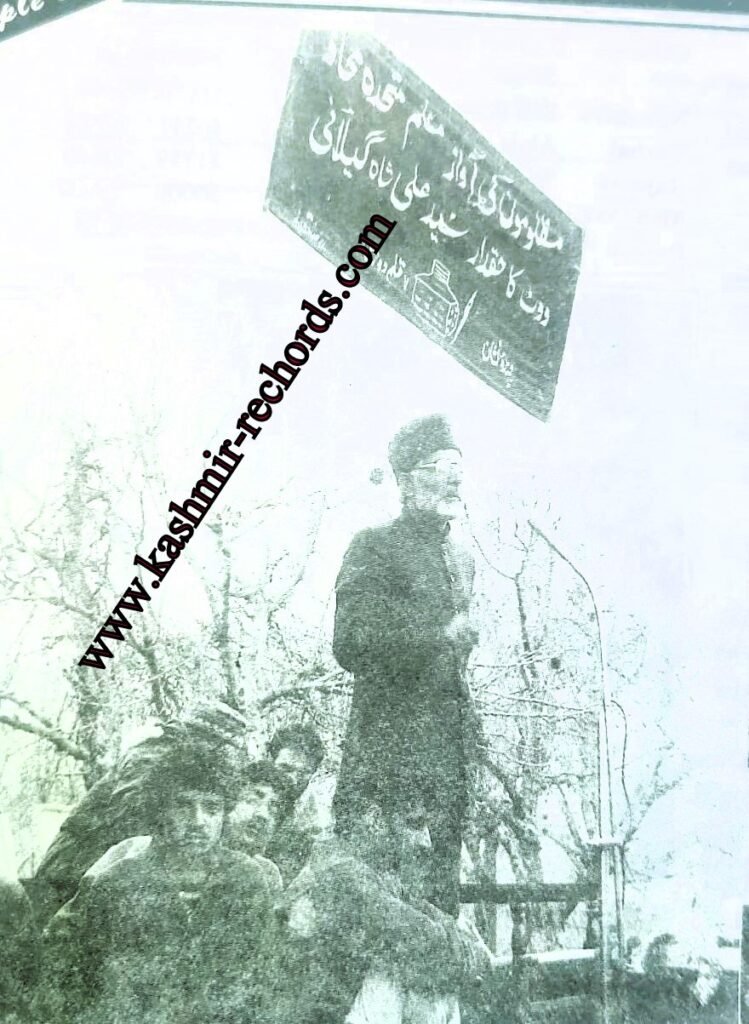
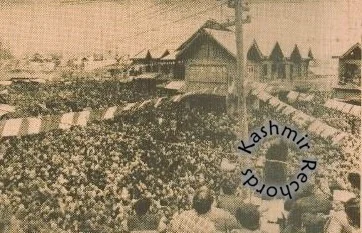
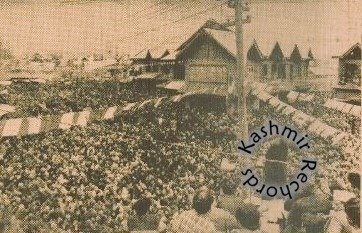
`Jehad’ Cry….Syed Ali Shah Geelani at an Election Rally in 1987.

Fast forward to the present, as the 2024 Assembly elections  are in the last phase, the concept of “Jehad” in the electoral context has faded into obscurity. Political parties are now primarily focused on the demand for the restoration of statehood, which has become the central theme for the majority of parties, including independents. Some of these independents still maintain allegiance to Jamaat-e-Islami, a group that is now banned in Jammu and Kashmir.

Over three decades ago, Jamaat was part of the Muslim United Front (MUF) that labeled the 1987 Assembly elections as a form of Jehad. However, in the current electoral landscape of 2024, the Jamaat appeared  eager to participate in the democratic process, seemingly overlooking its past actions that misled the people of Kashmir—first under the guise of electoral Jehad, then through armed conflict, and ultimately through “Jehad’’ against innocent civilians. Over the past three decades, countless lives have been lost in this turmoil, and now, as the region has transitioned to a Union Territory, the Jamaat’s shift in approach raises questions about its previous commitments and the impact of its past rhetoric.

Maharaja Hari Singh’s `Minister-in-Waiting’ !

(Kashmir Rechords Exclusive)

In the intricate history of Kashmir, many individuals have left indelible marks, though their names may not always be celebrated. One such figure is P.K. Wattal, a Kashmiri Pandit and dedicated civil servant, who played a pivotal role during the early years of Maharaja Hari Singh’s reign as the “Minister-in-Waiting.” His story is one of unwavering commitment, meticulous governance, and a profound sense of duty that provided stability during a crucial period of transition.

A Unique Designation: The “Minister-in-Waiting”

When Maharaja Hari Singh was coronated between February 22 and 28, 1926, he ascended to the throne of a vast and complex princely state. The young ruler, facing immense responsibilities, relied heavily on seasoned administrators to guide him through the intricacies of governance. Among these trusted advisors was P.K. Wattal, who was bestowed with the unique and somewhat curious title of “Minister-in-Waiting.”

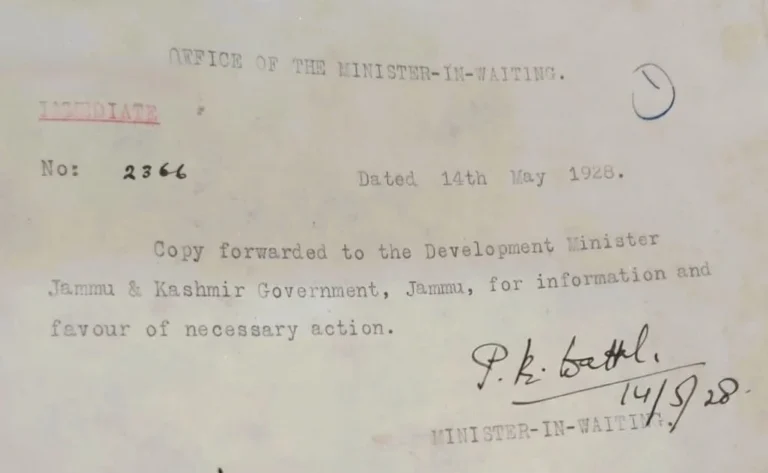
O/o Minister-in-Waiting: P K Wattal

To modern ears, the title may seem quaint, but it signified a role of immense responsibility. Wattal was far from a mere ceremonial figure; he was the backbone of the administration, entrusted with managing the critical affairs of the state during the formative years of Maharaja Hari Singh’s rule. His legendary work ethic meant he often took on the majority of file work and decision-making tasks, ensuring that the young Maharaja was not overwhelmed by the demands of his new position.

A Steady Hand in Uncertain Times

From 1926 to April 1930, Wattal’s tenure as Minister-in-Waiting was marked by his tireless dedication to ensuring the smooth operation of the state’s administration. His meticulous attention to detail provided a strong cushion for Maharaja Hari Singh, who was still acclimating to the responsibilities of leadership. Even when the Maharaja embarked on a European tour in May 1928, records assessed by Kashmir Rechords indicate that Wattal continued to manage the state’s affairs with unwavering diligence, leaving nothing to chance in the ruler’s absence.

Wattal’s commitment to his role did not go unnoticed. His “waiting” period culminated in May 1930, when he was promoted to the position of full-fledged Finance and Development Minister of Jammu and Kashmir. This elevation was a testament to his steadfast dedication to the state and his remarkable ability to manage its complex affairs with precision and skill.

Wattal’s elevation as Finance and Development Minister in 1930.

The Legacy of a Quiet Leader

Though P.K. Wattal’s contributions may not be widely recognized today, they were crucial in shaping the early years of Maharaja Hari Singh’s rule. His role as Minister-in-Waiting, though largely behind the scenes, was instrumental in laying the foundation for the administration’s future successes. Wattal embodied the qualities of a true public servant—dedication, humility, and an unwavering commitment to his duty.

As we reflect on the history of Kashmir’s princely era, it is essential to remember figures like Wattal, whose legacy reminds us that true leadership is not always about being in the spotlight; sometimes, it is about being the steady hand that guides from behind the scenes.

Readers are welcome to add to this story, if they have any inputs, since no one has so far written about Mr P K Wattal all these years !

Kashmir Election 2024: All Eyes on Habba Kadal

           (Kashmir Rechords Exclusive) 

    In the ever-complex political landscape of Jammu and Kashmir, one constituency that has consistently drawn attention is the Habba Kadal seat in the Srinagar district. Historically, it has held a unique position due to its significant Kashmiri Pandit population, which,  even before their mass migration in 1990, was viewed as a key demographic capable of tipping the scales in election outcomes. Even in infamous  1987 election and after their exodus, this constituency remains of great symbolic importance, attracting interest from both local and international communities. The upcoming election on Wednesday, September 25, 2024, is no different, as eyes from around the globe remain fixated on Habba Kadal.

The pattern of attention  in Kashmir, particularly during  any poll time, is not new; it has recurred during every election cycle,  in  any segment.   The 1987 Jammu and Kashmir State Assembly election, for instance, offers a stark reminder of the significance of  Habba Kadal  constituency. At that time, the atmosphere in the Kashmir Valley was tense, with political friction brewing, especially in sensitive areas.  According to archival reports, reproduced by Kashmir Rechords here, the day of polling, March 23, 1987, was marred by arson, clashes, and incidents of stabbing in  many  constituencies, including Habba Kadal—a level of unrest that had never been witnessed before in the area.

The 1987 election was particularly contentious, with the National Conference (NC) under Farooq Abdullah and Congress forming an alliance, bolstered by the support of the Awami Action Committee. Their primary opposition came from the Muslim United Front (MUF), a coalition of religious and separatist elements that challenged the political status quo. In Habba Kadal, the NC-Congress alliance fielded P. L. Handoo, a Kashmiri Pandit who had been shifted from Pahalgam, hoping to secure the Pandit vote that formed nearly a third of the constituency’s 60,000-strong electorate.

In 1987, the Kashmiri Pandit community was divided. While Handoo represented the NC-Congress alliance, another prominent Pandit, Tika Lal Taploo, contested the election as the Bharatiya Janata Party (BJP) candidate. The fractured Pandit vote became a point of intense debate within the community. H. N. Jattu, leader of the All India Kashmiri Pandit Conference (AIKPC), made an impassioned appeal to his fellow Pandits to rally behind the NC-Congress alliance. Yet, many within the community remained torn between supporting Handoo or backing Taploo, leading to deep divisions on election day.

Handoo also faced strong opposition from Mushtaq Ahmad of the MUF, and while there were three more  candidates in the fray, they were considered minor players. The combination of candidates from diverse ideological backgrounds ensured that Habba Kadal would become a flashpoint in the 1987 election, symbolizing the broader political and communal tensions of the time.

That same year, a similar high-stakes contest unfolded in  Haba Kadal’s neighbouring Amira Kadal constituency. Here, the NC’s former Minister G. M. Shah was pitted against MUF’s Mohammad Yusuf Shah, the latter being a significant figure in separatist circles. By 1987, Mohammad Yusuf Shah had already gained prominence as the “Amir-e-Jamat” of Srinagar district, a title reflecting his influence within the Jamaat-e-Islami party.

 His campaign was marked by fervent public engagement, as he moved from house to house, waving green flags emblazoned with images of the Holy Quran, calling on voters to support his cause.

Amira Kadal’s 52,000 voters represented a microcosm of the larger political dynamics playing out in Kashmir. It was a diverse constituency, with significant numbers of women, Shia Muslims, Hindus (including Punjabi State Subjects), and Sikhs. This variety of demographics made it difficult to predict the electoral outcome, as each group had to weigh their support between candidates espousing separatist ideologies or the more conventional political establishment represented by the NC-Congress alliance.

Despite the high drama and tension, P. L. Handoo ultimately won the Habba Kadal seat, while G. M. Shah secured victory in Amira Kadal, defeating Mohammad Yusuf Shah. However, these victories were overshadowed by widespread allegations of rigging, which would have long-lasting consequences for the region. The 1987 election is often cited as a catalyst for the insurgency that erupted in the Valley soon after, and Mohammad Yusuf Shah, the defeated MUF candidate, would later cross the border into Pakistan and become Syed Salahuddin, the notorious leader of the Hizbul Mujahideen militant group.

Fast forward to 2024, Habba Kadal once again finds itself at the centre of political intrigue. The upcoming election, while lacking the violent overtones of 1987, is nonetheless fraught with tension. The Kashmiri Pandit community, many of whom have resettled in other parts of India and abroad, continues to watch the constituency closely. Their political relevance may have diminished over the decades, but the symbolic value of Habba Kadal remains strong, representing a lingering connection to their homeland and a reminder of the turbulent history that has shaped both the constituency and the broader Kashmir Valley.

As polling day approaches, with some groups calling for a boycott or urging voters to press NOTA, the question remains: what will be the voting pattern and final outcome in the Habba Kadal constituency? What political dynamics will shape the electorate’s decision? And regardless of the result, will Habba Kadal continue to be known as the “Constituency of Kashmiri Pandits,” given its history of producing prominent Pandit leaders across the political spectrum?

  =======


1987 J&K Elections: A Catalyst for Decades of Conflict

In 1987 Elections, the MUF campaigned on a platform that promoted Islamic governance through “Nizam-e-Mustafa” (Islamic Rule), which presented a significant dilemma for the Indian government. The prospect of the MUF coming to power was seen as a direct threat to the State, and had MUF  succeeded, it could have radically altered the political landscape of Kashmir.

(Kashmir Rechords Exclusive)

The 1987 Jammu and Kashmir Assembly election is often seen as a watershed moment in the region’s history. Widely believed to be a turning point, the election is frequently cited as the moment when militancy in Kashmir was born, driven by widespread allegations of electoral rigging. These allegations remain a powerful reminder of the events that set the stage for Kashmir’s prolonged conflict.

Allegations of Rigging and Political Fallout

For years, separatist groups have accused both the Government of India and the State of manipulating the election results. Ironically, these claims of electoral malpractice have now been echoed by even “national political parties” in more recent times, but often for self-serving purposes. These accusations, now resurfacing during Jammu and Kashmir’s first elections since its reduction to Union Territory status, are being used to discredit the regional political figures from that era.

The Rise of the Muslim United Front

The 1987 elections saw the emergence of the Muslim United Front (MUF), a formidable political coalition that challenged the existing order. The MUF campaigned on a platform that promoted Islamic governance through “Nizam-e-Mustafa” (Islamic Rule), which presented a significant dilemma for the Indian government. The prospect of the MUF coming to power was seen as a direct threat to the State, and had MUF  succeeded, it could have radically altered the political landscape of Kashmir.

The Political Landscape of 1987

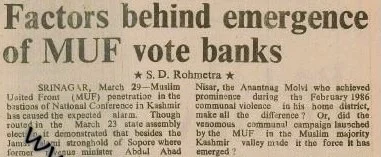
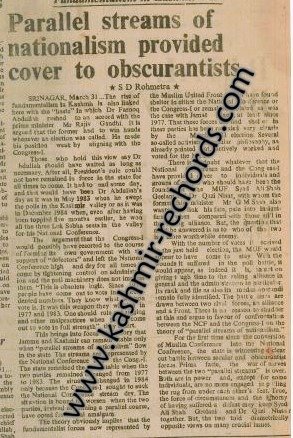
Veteran journalist S.D. Rohmetra, founder of Daily Excelsior, had foreseen the rise of the MUF and warned about its growing influence. The MUF made significant gains in regions traditionally controlled by the National Conference (NC), signalling a potential shift in political dominance. Although ultimately defeated, the MUF’s strong showing in areas like Sopore, where Syed Ali Shah Geelani defeated NC’s Abdul Ahad Vakil by over 4,000 votes, sent shockwaves through the political establishment. MUF also secured substantial votes in urban constituencies like Amirakadal and Zadibal, both NC strongholds.

Rigging Allegations

The rigging accusations surrounding the 1987 election are still debated today. Many believe that the Indian government saw an MUF victory as a destabilizing force that would have shifted the balance of power towards more radical, religious politics. To avoid this, attempts were allegedly made to ensure that the MUF was kept out of power, even if it meant manipulating the results. This perceived injustice contributed significantly to the sense of political disenfranchisement among many Kashmiris, laying the foundation for future unrest.

The Aftermath: The Rise of Militancy

The defeat of the MUF in the 1987 election was not the end of its political story. Many MUF leaders had already devised an alternative plan—Plan B—in case they were unable to secure power through the democratic process. After their defeat, several leaders crossed into Pakistan and Pakistan-occupied Kashmir (PoK), where they received arms training. Upon their return, they initiated the insurgency that has since engulfed Kashmir in violence, a conflict that has endured for nearly four decades.

The disenfranchisement born out of the 1987 elections, coupled with the rise of radical elements within Kashmir, provided fertile ground for external influences, particularly from Pakistan. As MUF leaders took refuge and trained in PoK, they found logistical and military support to launch an armed uprising against the Indian State. This insurgency has claimed thousands of lives and left behind a legacy of bitterness, violence, and instability. Meanwhile, some nationalist political parties in India have reignited the debate over the 1987 election rigging for their electoral gain, often overlooking the long-term consequences of such rhetoric.

A Legacy of Fragile Politics

The 1987 Jammu and Kashmir elections remain a stark reminder of how fragile political institutions can be when trust in democratic processes is eroded. Whether the allegations of rigging are true or exaggerated, the perception of injustice fostered widespread disillusionment and led to the violent insurgency that continues to plague the region. For  about 40 years, the people of Jammu and  Kashmir have borne the brunt of this turmoil, as political, religious, and nationalistic forces continue to vie for control.

The legacy of the 1987 elections is more than just political—it is a deeply ingrained part of Kashmir’s social and cultural history. As Jammu and Kashmir moves forward, particularly as a Union Territory, the lessons from 1987 should not be forgotten. The future stability of the region depends on ensuring that history does not repeat itself, and that democratic institutions are strengthened to secure lasting peace and stability.