Home Blog Page 13

35 Years Later: The Echoes of Exile

By:Prerna Bhat*

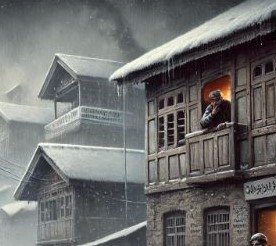
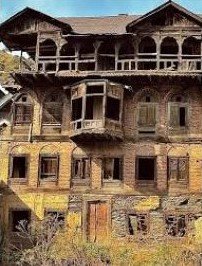
Sanat Nagar, Srinagar – The house stands alone, its windows boarded up and its walls wrapped in layers of forgotten time. What was once a home filled with laughter and stories now lies abandoned, claimed by nature. The rustling of leaves is the only sound that fills the air.

For young Kashmiri Pandits born far from Kashmir, these forsaken homes are more than just relics—they are symbols of a life their ancestors lived, a history they never got to experience. They can only imagine what it would have been like to walk the same streets, breathe the same air and feel a connection to a homeland that exists only in stories.

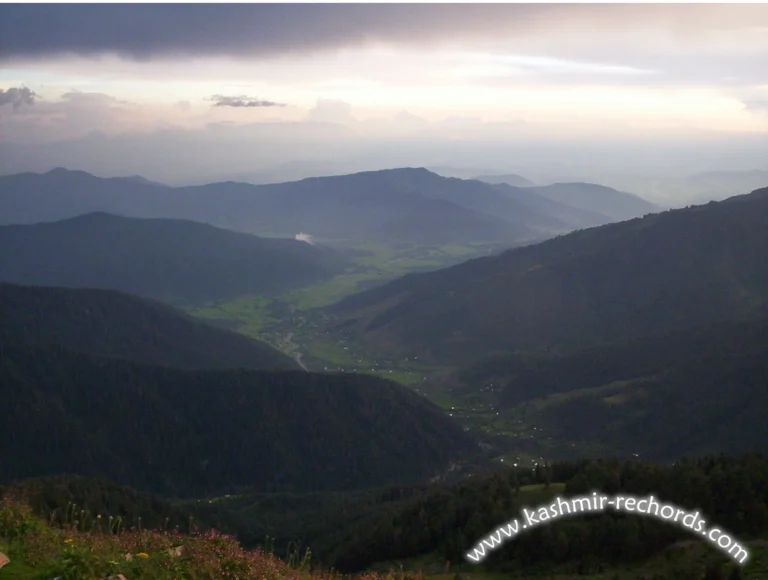
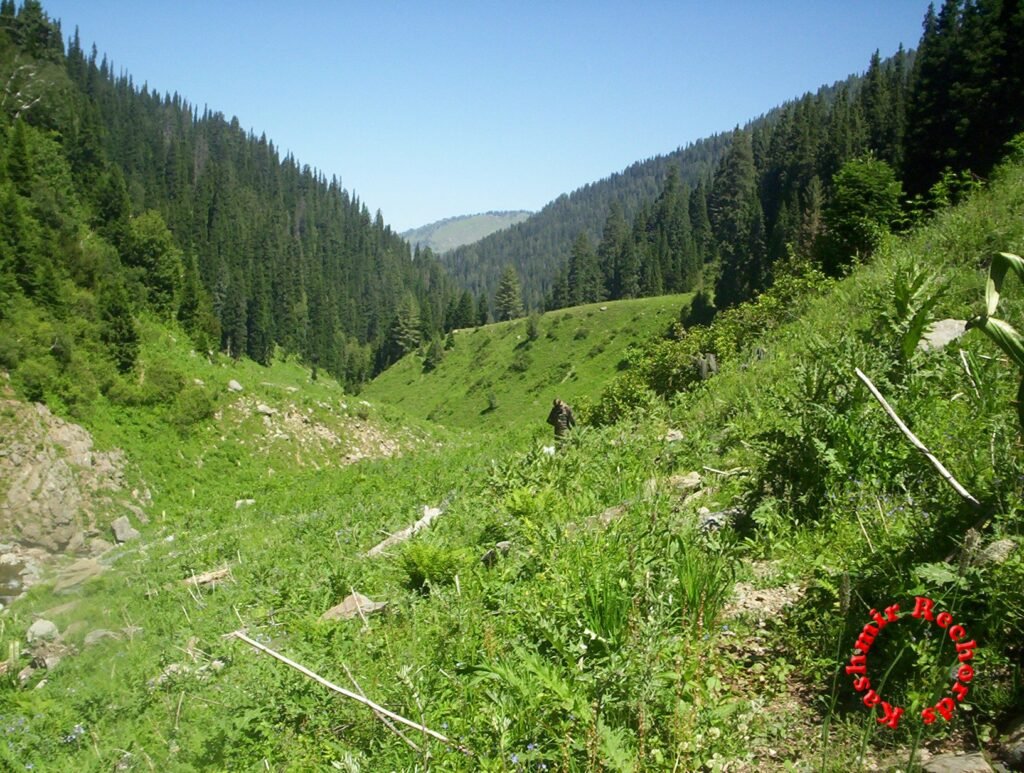
The mass exodus of Kashmiri Pandits, three and a half decades ago, was more than a political upheaval—it was an emotional and cultural wound that remains unhealed. For the generation born in exile, Kashmir is a land of fragmented memories and unrealized dreams. The mustard fields, the grand temples and the close-knit communities live only in their parents’ tales—stories that bring both comfort and pain.

The Struggle of a Generation

Young Kashmiri Pandits today bear the burden of a rich cultural heritage eroded by time and displacement. To them, Kashmir is not a place they know first-hand but an idea—an idealized version shaped by nostalgia and longing. Torn between inherited traditions and the realities of their new lives, they navigate an identity shaped by loss.

In many homes, Kashmiri is no longer spoken fluently, traditions are confined to family gatherings and cultural practices risk fading into oblivion. For the young, preserving their heritage is a quiet rebellion against assimilation—a way to keep alive what exile threatens to erase.
Dislocation of Identity

For many young Pandits, the greatest loss is the disconnection from a land they were meant to call home. Their parents speak of a Kashmir filled with festivals, breath-taking landscapes and vibrant streets. But the reality is stark: the Kashmir of their dreams no longer exists as it once did. Political turmoil and broken promises continue to cast a long shadow over any hope of return.

The younger generation wrestles with mixed emotions—love for a homeland they have never seen and frustration over the circumstances that forced them away. Their exile is not just geographical; it is emotional and cultural. The hope of rehabilitation, of reclaiming their place in Kashmir, remains elusive.

A Cultural Crossroads: What Lies Ahead?

While their elders still dream of returning, young Kashmiri Pandits are shaping a different future—one not solely tied to physical return, but to cultural reclamation. They are realizing that their fight is not just about land; it is about preserving an identity that risks being lost in the tides of time.

Kashmir, for them, is not just a homeland—it is the soul of their heritage. And until they find a way to bridge the gap between memory and reality, they will continue to carry the weight of exile—a burden that shapes their dreams and their vision for the future.

*The writer is a Student of  Mass Communication at  Jamia Milia Islamia, New Delhi.
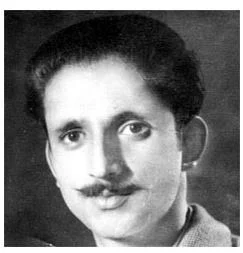
Jammu’s Maikash Kashmiri !

(Kashmir Rechords Exclusive)

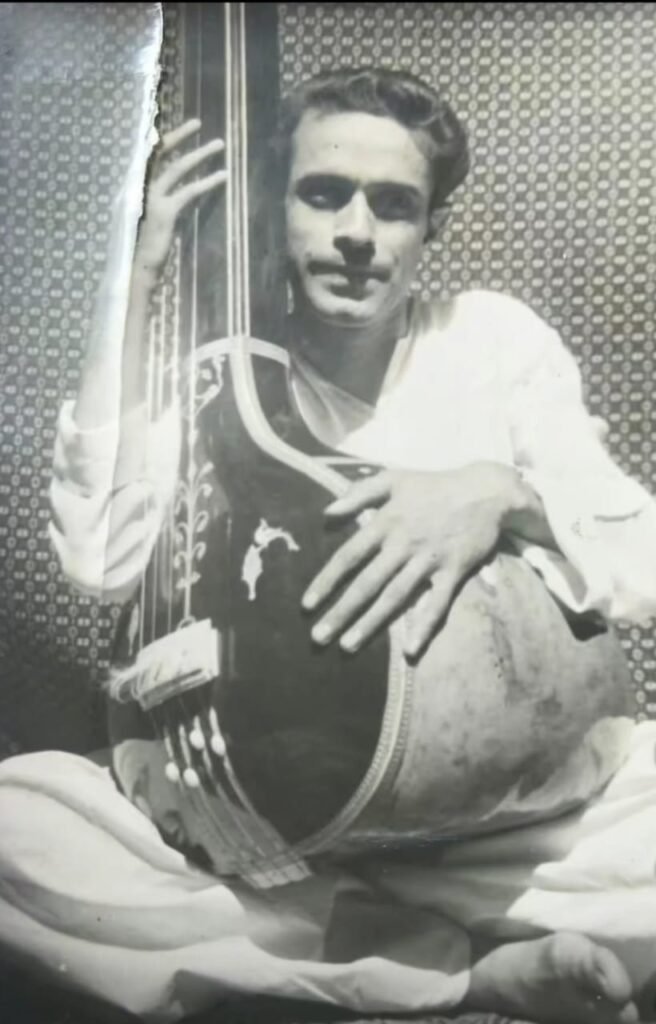
In the vibrant cultural tapestry of Jammu and Kashmir, the name Maikash Kashmiri stands out as a beacon of artistic brilliance and unyielding determination. Born Kailash Nath Kaul on July 17, 1926, into a learned Kashmiri Pandit family and brought-up at Jammu, his life story is one of courage, integrity  and a profound connection to the poetic spirit of his land.

A distinguished broadcaster, poet, and educationist, Maikash Kashmiri’s journey was one of both triumph and tribulation. His association with Radio Kashmir Jammu (RKJ) began at its inception in December 1947 when he was just 21 years’ old. A man of immense integrity, he could not turn a blind eye to injustice. His colleagues recall that in March 1948, when Union Information and Broadcasting Minister Sardar Vallabhbhai Patel visited the makeshift RKJ studio in a classroom of Ranbir Higher Secondary School, young Kailash Nath Kaul boldly raised the issue of non-payment of staff salaries. This act of fearless honesty cost him his job—he was dismissed for speaking the truth.

The irony, however, was that when the government later again  needed his expertise to counter enemy propaganda, they approached him once again. Yet, rather than reinstating him, he was only offered work as a contractual artist. For 34 years, Maikash Kashmiri dedicated himself to RKJ, never made permanent but always unwavering in his commitment to the craft.

Life After Retirement: A Mentor and Guide

After termination of  contract,  he never stepped into the premises of Radio Kashmir Jammu again—a silent protest against the humiliation he had endured. Instead, he found solace in teaching, offering English lessons to young students from his ancestral home in Mohalla Mast Garh, Jammu. His self-respect remained intact, and he earned the love and admiration of his students and their families. With dignity, he provided for his family, marrying off his five well-educated daughters gracefully, while his only son became an engineering graduate and joined the Indian Army as an officer.

The Poetry of Resilience and Hope

Maikash Kashmiri’s poetry reflected his unyielding spirit. One of his most memorable couplets encapsulates his resilience:

Charagh-e-rah agar bujh gaya to kya gham hai
Charagh-e-dil to farozaan hai roshni ke liye

(So what if the street lamp is extinguished?
The lamp of my heart burns bright to light the path.)

A true man of letters, he lived a simple, unassuming life in Jammu—the City of Temples—embracing the hardships that came his way with a Sufi-like detachment, best described in his verse:

Saare jahan se be niyaaz, mast hoon apni zaat mein.
Mujh se kisi ko kaam kya? Mujh ko kisi se kaam kya!

(Indifferent to the world, I revel in my own being.
Who needs me, and whom do I need?)

A Unique Tribute to the River Tawi

His poetry did not just capture personal experiences but also paid tribute to his homeland. Among his most unique works is a nazm dedicated to the river Tawi, included in the album Yadon Ke Charagh. Unlike conventional poems that eulogize rivers, Maikash’s composition reveres the countless round stones that line the riverbanks. To him, these stones were silent witnesses to the passage of time, holding within them the glory and history of the Dogras.

Recognition After Years of Neglect

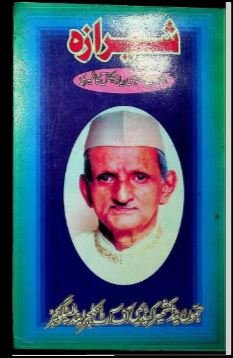
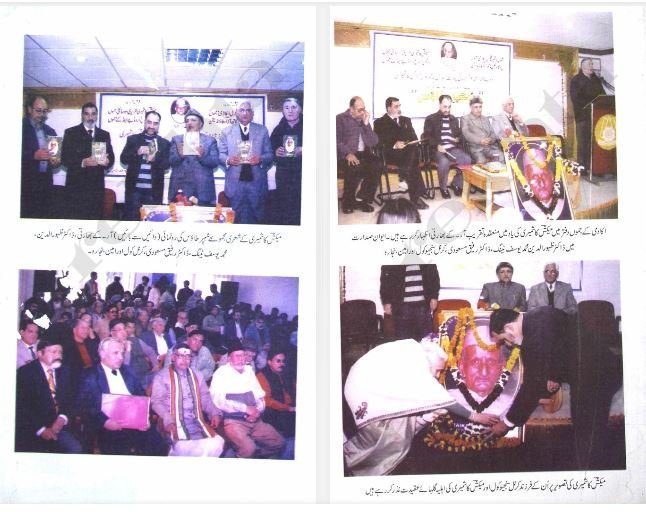
For decades, Maikash Kashmiri remained an unsung hero. The very voices that had once advocated for salary payments failed to support him when he needed them most. He was singularly victimized and terminated from service despite his exceptional talents and qualifications. His legacy, however, was finally acknowledged thanks to Dr. Rafeeq Masoodi, a noted broadcaster and former Secretary of the J&K Cultural Academy. Under his leadership, a special edition of Sheeraza was published in Maikash Kashmiri’s honor, compiling articles and reminiscences from his contemporaries and admirers.

In his foreword, Dr. Masoodi acknowledged the longstanding injustice against Maikash Kashmiri and expressed hope that this tribute would serve as a small token of recognition for his immense contributions. Former Cultural Secretary Mohammad Yousuf Taing, in his write-up, highlighted Maikash’s deep love for Kashmir and his Kashmiri Pandit heritage. Although he had been raised in Jammu and did not speak Kashmiri fluently, his identity as a Kashmiri Pandit was central to his being.

Passing and Enduring Influence

Maikash Kashmiri passed away on January 19, 2006, in Navi Mumbai, leaving behind a legacy of poetic brilliance, integrity, and quiet resilience. His son, Sanjeev Kaul, and renowned singer-composer Seema Anil Sehgal ensured that his literary work found a lasting voice through music. His words continue to inspire, reminding us that truth and talent, even when unrecognized in their time, never truly fade.

Maikash Kashmiri’s life was not just a tale of struggle—it was a testament to the unbreakable spirit of a man who remained true to himself, no matter the cost.

Kanwal Kishore Jalla: A Voice That Once Enchanted

(Kashmir Rechords Desk)

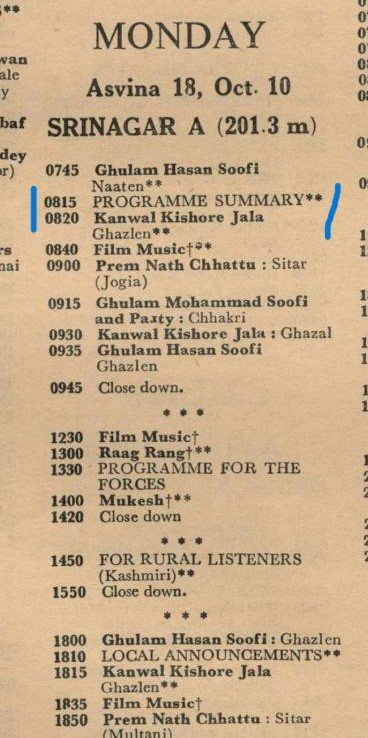
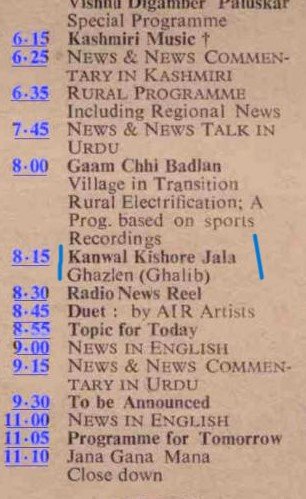
In the forgotten corridors of memory, where melodies once soared and hearts swayed to the rhythm of soulful Ghazals, the name Kanwal Kishore Jalla remains an echo—faint but unforgettable. A singer of unmatched grace and elegance, Jalla was once the pride of Kashmir’s musical fraternity. But like many of his fellow community members, his journey was marred by displacement, his voice drowned in the silence of exile. And now, that voice has been silenced forever.

Kanwal Kishore Jalla, a name that once resonated across the airwaves of Radio Kashmir from 1959 to 1989, breathed his last in 2025 in exile, away from the land where his soul belonged. He was not just a singer; he was a custodian of Kashmir’s lyrical heritage, a guardian of melodies that have now faded into oblivion. Yet, his story, like many unsung heroes, remained largely untold—until it was too late.

It was only in 2024 that Kashmir Rechords managed to track him down, hidden away in the Janipur locality of Jammu. A once-revered Ghazal and devotional singer, Jalla had retreated into the shadows after being forced to leave Kashmir in 1990. His exile was more than just a physical displacement; it was a silencing of his art, an erasure of a legacy that should have been celebrated.

A Voice That Defined an Era

Dr. Rafeeq Masoodi, a noted broadcaster and former Secretary of J&K Cultural Academy, recalls Jalla’s mesmerizing presence at Radio Kashmir, Srinagar. His recollections take us back to a golden evening in 1986 when legends Bhajan Sopori, Vijay Malla and Ghulam Nabi Sheikh gathered in Studio-06 for a composition. Among them stood Kanwal Kishore Jalla—his appearance a striking resemblance to Dev Anand, dressed in a tight yellow trouser, crisp shirt and a knotted tie. But it wasn’t just his flamboyant presence that captivated; it was his voice—soft, velvety, reminiscent of the great Talat Mahmood.

Jalla’s songs weren’t just melodies; they were emotions woven into rhythm. His Ghazals touched the depths of sorrow and longing, while his patriotic renditions during the 1962, 1965, and 1971 wars stirred the spirit of nationalism. Yet, fate played a cruel game. After his migration, he was lost to the world, his legacy left unpreserved. Not a single one of his Ghazals, devotional, or patriotic songs found a home in the archives of Radio Kashmir. A treasure trove of melodies—forgotten, erased, lost.

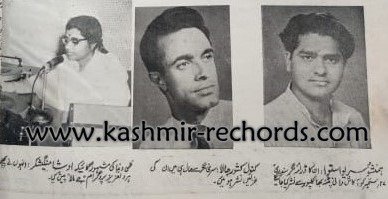
K K Jalla (Middle), along with Usha Mangeshkar(L)

Last year, when Kashmir Rechords appealed to its readers to help locate the maestro, the story took a bittersweet turn. His daughter, residing in Dubai, reached out, revealing his whereabouts. It was a moment of both triumph and heartbreak. Jalla was touched to know that his contributions had not been entirely forgotten. But time is unforgiving. Just as the world began to remember him, he slipped away forever, leaving behind only the whispers of his songs, carried away by the wind.

Today, we mourn not just the passing of a singer but the fading of an era, the vanishing of a legacy that deserved more recognition, more love. Kanwal Kishore Jalla was Kashmir’s son—a voice of devotion, passion and patriotism. Yet, like so many others, he became a victim of time and circumstance. As we pay our tributes to this maestro, let us not let his memory fade as his songs did. Let us remember Kanwal Kishore Jalla—not just as a Ghazal singer of yesteryears but as a soul who sang for Kashmir, loved his homeland, and carried its melodies in his heart till his last breath.

Dateline Srinagar: The Night of January 19,1990

(Kashmir Rechords Exclusive)

The night of January 19, 1990, was one of the darkest in the history of India. In Srinagar, the atmosphere was charged with fear and chaos as Kashmiri Pandits faced a mass exodus from their homes and hearths. Rumor-mongering took centre stage, with mosques across the region suddenly switching on their loudspeakers to warn people against using tapped water, claiming it had been “poisoned” by the “administration” and “Indian agents,” including Kashmiri Pandits.

Eyewitness accounts recall  a well-orchestrated plan behind these announcements, which plunged the city into chaos. Mass protests erupted, with people blaming “Indian agents” for “poisoning” the water supply. Despite power outages implemented by the authorities, mosque managers used battery backups to keep their loudspeakers operational, spreading fear and vilifying Kashmiri Pandits as collaborators. The message was clear: Pandits were warned to leave Kashmir forever, leaving behind their womenfolk.

Repeated announcements from Radio Kashmir Srinagar, attempting to calm the situation, were ignored. People trusted the mosque loudspeakers over official channels, and curfew enforcement in some areas failed to deter the masses from gathering on the streets. Driven by the fear instilled by the “poisoned water” rumors, residents emptied their water reserves. The sinister objective of these rumors was to incite curfew violations en masse and instill terror among Kashmiri Pandits, ultimately forcing their flight from the Valley.

A History of Rumor-Mongering in Kashmir

Kashmir’s history is deeply intertwined with rumors, often romanticized as a cultural trait. From Kalhana’s Rajtarangini to the works of modern historians, accounts of “Kashmiri rumors” abound. While some rumors were harmless, others served as tools for manipulation and control by vested interests. Historian Khalid Bashir, in his book Kashmir: Looking Back in Time, highlights how Kashmiris have historically elevated individuals they admired to divine status while demonizing those they disliked.

Bashir also delves into the strategic use of rumors as political tools. Former Jammu and Kashmir Governor Jagmohan, in his book My Frozen Turbulence in Kashmir, describes how rumors were weaponized to defy and undermine his administration. He recounts the January 19, 1990, water-poisoning rumor and another in April 1990, which claimed that food packets distributed by the Army contained substances to cause frigidity in women and impotency in men—an alleged conspiracy to reduce the Muslim population. These fabrications sought to deepen mistrust between the administration and the populace.

Historically, missionaries and colonial officers have also documented Kashmir’s penchant for rumors. Rev. J. Hinton Knowles, Sir Walter Roper Lawrence in The Valley of Kashmir, and Tyndale Biscoe in Kashmir in Sunshine and Shade all describe how rumors shaped public behavior, often leading to panic. One infamous 19th-century incident involved a rumor about a monstrous creature in the Jhelum River, forcing Biscoe to make his students swim in the river to dispel the myth.

Rumors as Weapons of Manipulation

Rumors have often been wielded as weapons to serve political and personal agendas in Kashmir. A notable example dates back to the reign of Maharaja Partap Singh, when his brother Amar Singh spread false rumors to tarnish the Maharaja’s image and destabilize his rule. During Sheikh Mohammad Abdullah’s era, rumors about Chinar leaves bearing his name were circulated to evoke public fascination.

In the context of the 1990 exodus, many Kashmiri Pandits had already begun leaving the Valley before Jagmohan’s appointment as Governor. Yet, the rumor-mongering machinery successfully pinned the blame for their migration on him, perpetuating a narrative that continues to find resonance among many Kashmiris to this day.

The Enduring Legacy of Rumors

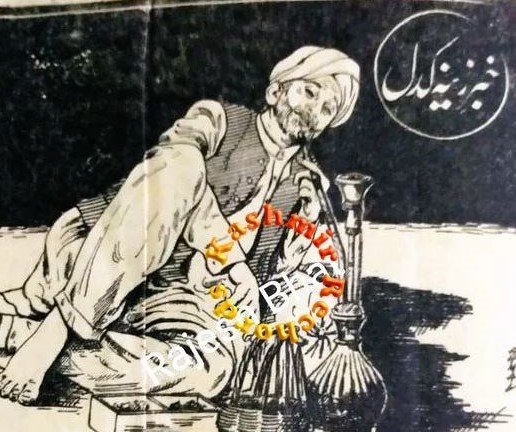
Rumors have left an indelible mark on Kashmir’s socio-political landscape, sowing fear and confusion. Phrases like “Khabar Zaina Kadal”—referring to the spread of falsehoods from Srinagar’s iconic Zaina Kadal Bridge—capture the enduring fascination with and consequences of rumors in Kashmiri culture. Even today, the legacy of rumor-mongering continues to influence perceptions, with many Kashmiris still questioning: Khaber kya chuk karun? (“What are they planning to do?”).

If Mahakumbh is to Prayagraj, `Dashaar’ is to Kashmir!

(Kashmir Rechords Exclusive)

The Mahakumbh Mela, a grand Hindu spiritual gathering held once every 144 years, began in Prayagraj, Uttar Pradesh on January 13, 2025, till February 26, 2025, attracting millions of devotees to the sacred confluence of the Ganga, Yamuna, and the mythical Saraswati rivers.

In the cultural and spiritual landscape of Kashmir, the  one day festival of Dashaar holds a similar reverence. Unlike the Mahakumbh’s regular cycle, Dashaar’s occurrence depends on a rare celestial alignment involving ten celestial bodies, giving the festival its name—“Dash” (ten) and “Haar” (alignment). The timing is unpredictable, with gaps ranging from 10 to 75 years, making Dashaar a rare and mystical event in Kashmiri tradition.

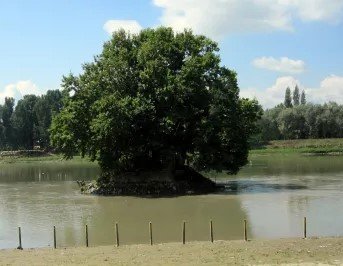
Prayag Chinar at Shadipur, Kashmir

The Mystical Dashaar  of Shadipur, Kashmir

Organised  at the confluence of the Jhelum (Vitasta) and Sindh rivers in Shadipur, present-day Ganderbal district, Dashaar is a spiritual spectacle that mirrors the grandeur of the Prayagraj Mahakumbh. The confluence, known as Prayag Chinar, is regarded as sacred, with the Sindh river symbolizing the Ganga and the Vitasta representing the Yamuna, as described in the Nilmata Purana.

Historical records from the Jammu and Kashmir Department of Archives and Archaeology indicate that Dashaar was last celebrated before Partition on June 4, 1941. This event drew over 100,000 pilgrims, far surpassing the expected 40,000 attendees. The Maharaja’s administration allocated resources for rescue boats, medical facilities, and security, showcasing the festival’s importance. The 1941  Dashaar corresponding to 22nd Jyeshta, 1998 Vikram Samvat, was declared a public holiday in the districts of Baramulla, Anantnag and Muzaffarabad. Jammu and Kashmir  Maharaja’s government had allocated Rs 200 for rescue boats and ropes, kept Rs 500 for unforeseen expenses and deployed 100 Maharaja Guards and Medical Officers from Sumbal and Ganderbal. Deputy Chief Security General was the 1941 festival incharge.

In 1911, Dashaar festival  had faced a terrible cholera outbreak, requiring treatment for 3,063 pilgrims. A 16-year-old  Kashmiri Pandit boy, whose identity was not revealed, had  lost his life when a boat had  overturned.

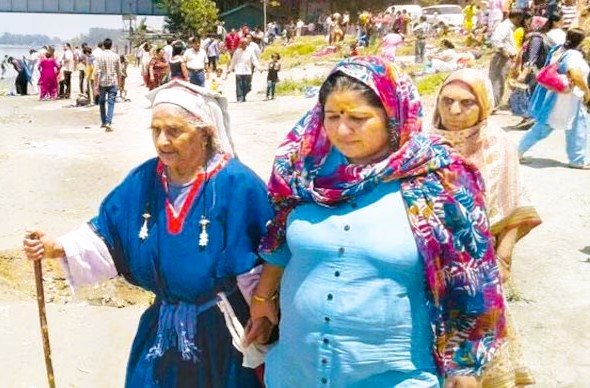
An elderly Kashmiri Pandit woman with her daughter during 2016 Kashmir Dashaar

The Revival of Dashaar

After a 75-year hiatus, Dashaar was revived on June 14, 2016, under astrological conditions aligning with its  ten unique celestial prerequisites, including  a Tuesday or Wednesday in Jyeshta (June), Moon in Virgo, the Sun in Taurus and the presence of Ananda Yog. Kashmiri Pandits, who had already gathered for the Mela Kheer Bhawani-2016, participated in Dashaar, adding to the spiritual fervor.

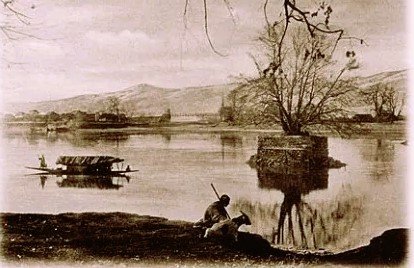
The 2016 Dashaar featured extensive arrangements, including transportation, sanitation and security. The iconic Chinar tree at the confluence, famously photographed by Fred Bremner in 1905, remained a focal point, surrounded by water and accessible only by boat. Worshippers paid homage at the Shiva Lingam located at the site, reaffirming the festival’s deep spiritual roots.

Prayag Chinar at Shadipur, Kashmir in 1905, photographed by Fred Bremner

Dashaar’s Significance in Kashmiri Heritage

Dashaar’s rarity and the uncertainty of its occurrence have enshrined it in Kashmiri folklore as Dahi Veher Dashaar”— literary once-in-a-blue-moon event. The festival is documented in sacred texts like the Dharma Sindhu and the Dashaar Nirnay, with detailed astrological calculations determining its timing. Experts suggest that future Dashaar may occur in 2026, 2028, 2052 or 2091, adhering to the minimum gap of  10, 12, 36 or 75 years  that is prerequisite for the celestial alignments.

While Mahakumbh Mela and Dashaar differ in their cycles and cultural contexts, they share the essence of spiritual purification, divine connection and the celebration of cosmic order. Both festivals stand as timeless testaments to India’s rich heritage, drawing millions to witness the sacred interplay of the earthly and the celestial.

Englishman’s 1847 Journey to  Jammu & Kashmir

(Kashmir Rechords Exclusive)

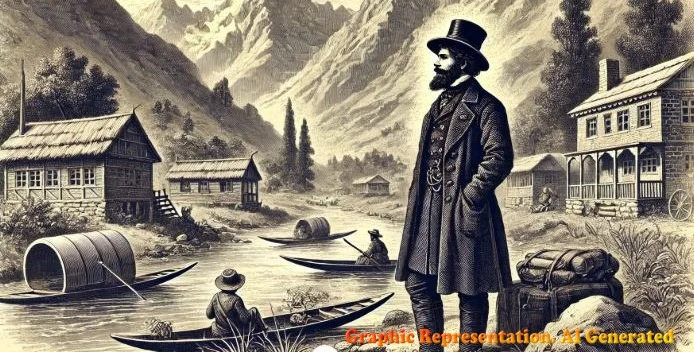
In the spring of 1847, an intriguing journey to Kashmir unfolded, vividly chronicled in a historical travelogue titled Sair-e-Kashmir (Travel to Kashmir). Penned by  a Kashmiri Pandit Kanhaya Lal Aashiq Dehalvi, a resident of Akbarabad Sialkot (now in Pakistan), this diary recounts his travels alongside an Englishman, Mr. Winter Bedim, from Lahore to Srinagar via Jammu.

Written in the elegant Nastalique Urdu script, the travelogue offers a rich, daily account of their expedition over two months—from April to June 1847. The 41-page Roznamcha (diary) is more than a record of distances covered; it is a window into the landscapes, cultures, and communities encountered on this adventurous trek.

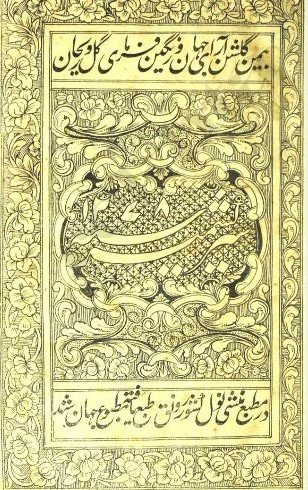
Sair-e-Kashmir Front Page ( Pic Courtesy: Rekta)

The Journey Begins

On April 5, 1847, the travellers set out from Lahore, passing through Gujranwala, Wazirabad and Jamki before reaching Bari Brahmana in Jammu on April 22, 1847. The weather greeted them with dust storms, and they found Jammu to be a city of stark contrasts. While the city’s narrow lanes and modest homes seemed unplanned, the palaces and noble dwellings exuded grandeur. The people, however, left a lasting impression with their warmth and hospitality.

Exploring the iconic Bahu Fort, Pandit Kanhaya Lal noted the fort’s formidable architecture, its ancient cannons, and its inaccessibility due to overgrown foliage. On April 25 1847, the party crossed the Chenab River at Akhnoor and began ascending through the Kohistani Ilaqa (mountainous region), choosing the Rajouri route instead of the snow-laden Banihal Pass.

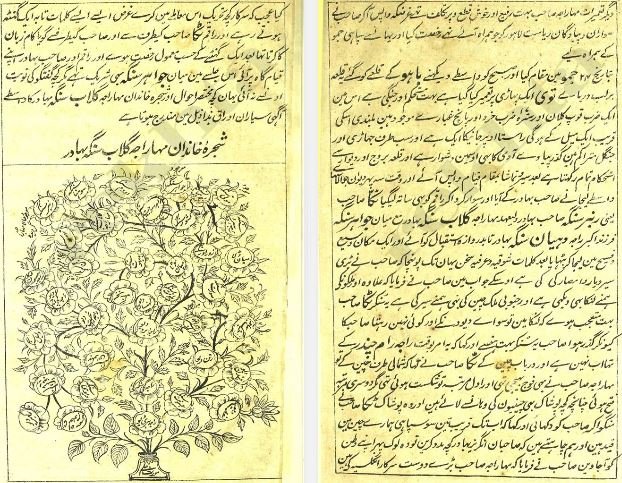
Pages from Sair-e-Kashmir ( Pic Courtesy: Rekta)

Through Rajouri and Beyond

The travellers reached Rajouri by the end of April, finding it a bustling trade hub with a hospitable administration under Maharaja Gulab Singh. Moving onward, they crossed Thana Mandi and ventured through the perilous terrain of the Pir Panjal range. At Rattan Panchal, a towering peak at 9,000 feet, they marveled at the pristine natural springs, including the Ali Abad Sarai, before continuing to Heerpur and the cascading Aharbal waterfall.

Into the Heart of the Valley

By May,  1847, the party entered the verdant valley of Kashmir. They reached Kulgam on May 9, where they encountered a unique spring that spouted water a meter into the air. As they moved through Shahabad, Verinag, Kokernag, and Achabal, the travellers discovered ancient temples, royal gardens, and crystal-clear springs that captivated them.

At Achabal, they met one  Bhola Nath, a devoted caretaker of the spring and garden, who impressed them with his generosity and dedication to the site’s upkeep. The travelogue vividly describes the beauty of these places while lamenting the poor health and malnutrition prevalent among the local population.

Srinagar and Surroundings

On May 28, 1847 the group arrived in Srinagar, staying at Sheikh Bagh. They toured the city’s landmarks, including the Shankaracharya Temple, Hari Parbat, and the seven resilient wooden bridges spanning the Jhelum River. The harmonious coexistence of Hindu and Muslim religious sites left a profound impression on the travelers.

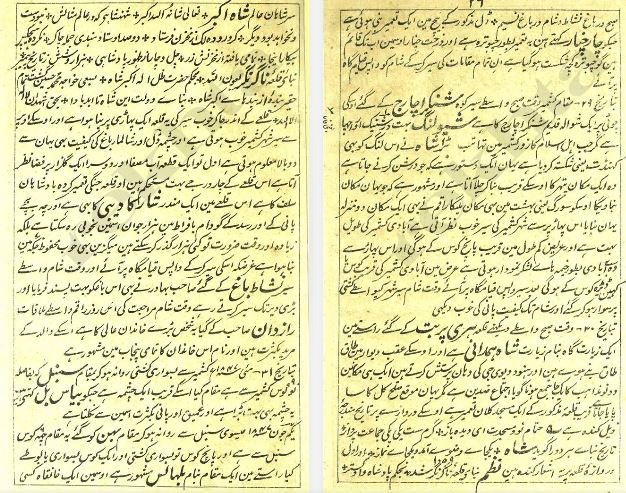
Pages from Sair-e-Kashmir ( Pic Courtesy: Rekta)

Exploring the Outskirts

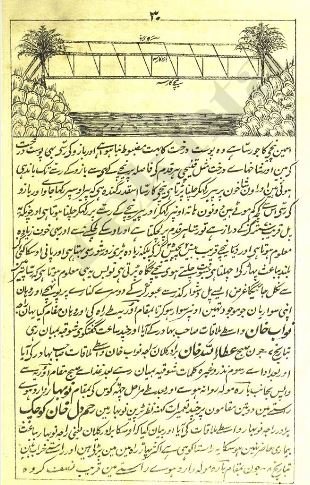
Their journey extended beyond Srinagar to iconic sites like Gulmarg, Baramulla, and Manasbal Lake. The narrative describes the ropeway bridge at Uri, swaying precariously over roaring river waters, and the Pandav-era ruins scattered across the region.

At Pattan, they visited the ancient temples, and at Baba Reshi’s shrine, they learned about the unique customs of its caretakers. The journey culminated with visits to Kupwara, Trehgam, and the silk-producing villages where mulberry-fed silkworms thrived.

Legacy of the Travelogue

Sair-e-Kashmir is not merely a diary; it is a lens into the landscapes, architecture, and social conditions of 19th-century Kashmir. Pandit Kanhaya Lal’s evocative descriptions and Mr. Bedim’s company  immortalize their shared journey through time, leaving a timeless record for future explorers.

This travelogue bridges the past and present, allowing readers to walk alongside these intrepid travellers and witness the enchanting beauty of Kashmir through their eyes.

Sacred Stone Idol Resurfaces from River Jhelum at Sopore!

(Kashmir Rechords Exclusive)

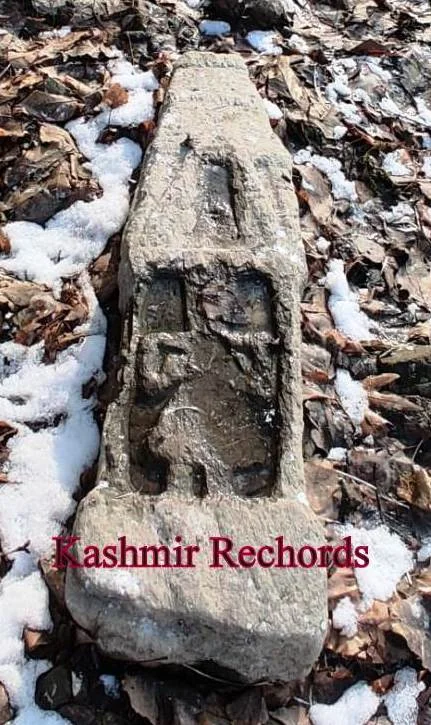
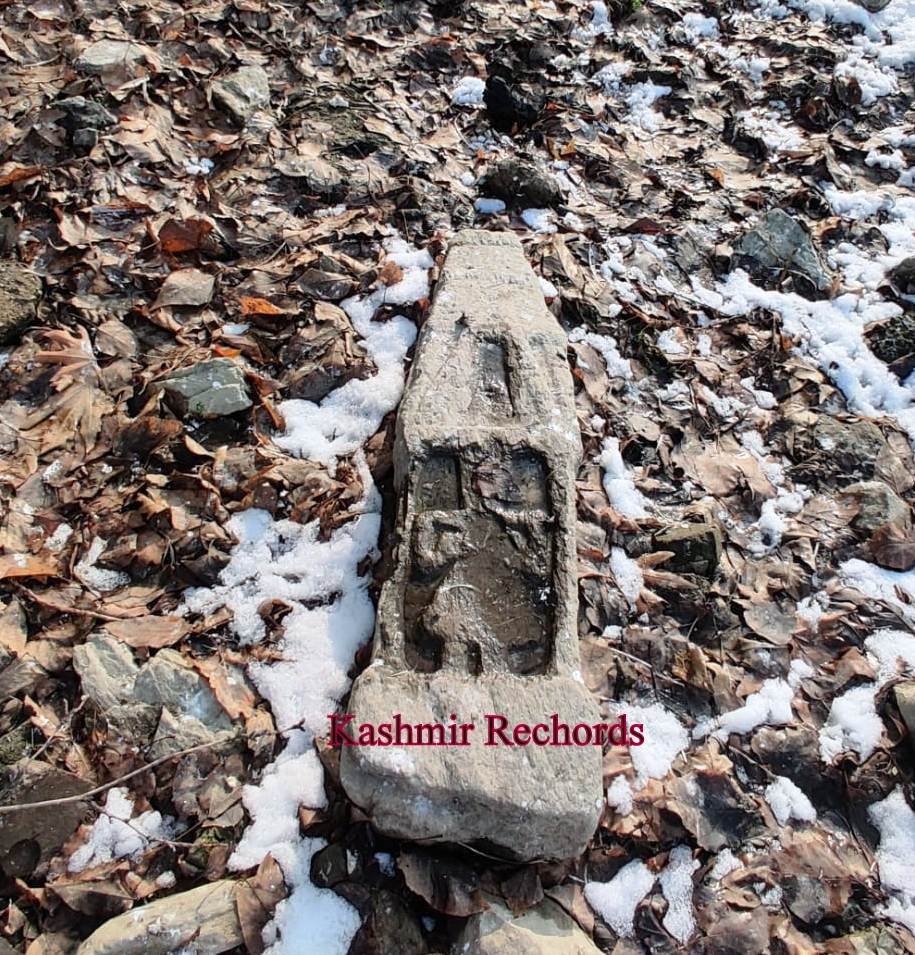
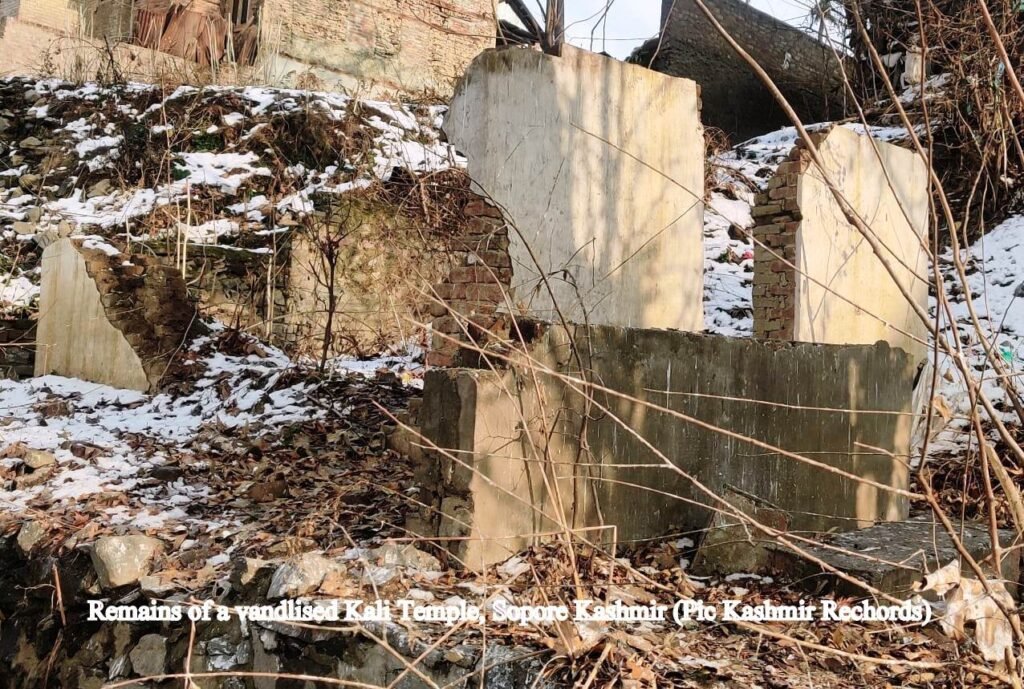
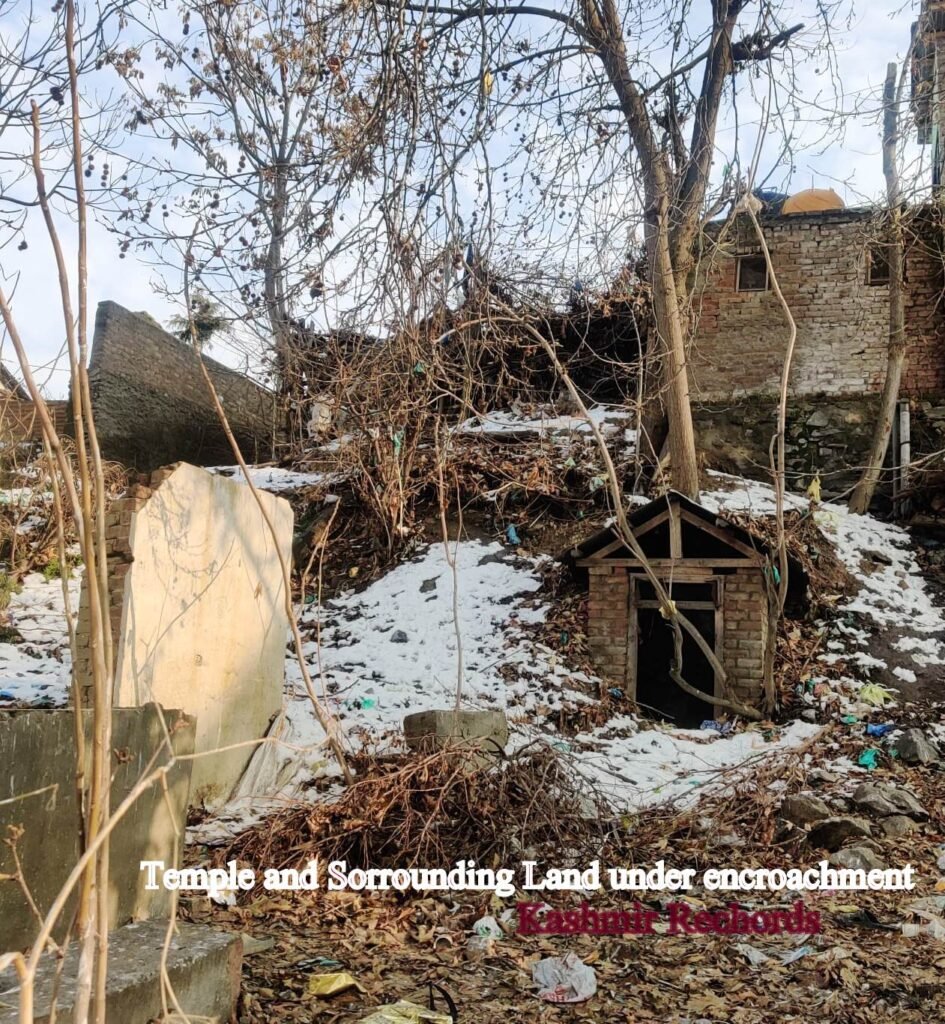
In a remarkable travesty of fate, a stone idol of a deity, which was thrown into the River Jhelum nearly three decades ago by the forces inimical to the idea of India, has resurfaced near Sopore, Kashmir! The idol was originally discovered in the early 1950s from the same river and installed at a Kali Mandir (temple) near the Khankah Mohalla in Sopore. However, during the onset of militancy in Kashmir in the 1990s, the sacrilegious act of vandalizing the  temple and throwing out the statue of the deity into the river Jhelum was performed. The situation remains the same till day and no arm of law has been able to set the situation right. Additionally, the surrounding land and area were also ravaged and encroached upon, including the property of local Kashmiri Pandit families.

The discovery of the stone idol in the early 1950s was a momentous occasion for the people of Sopore. The idol, after being traced from the river, was then carefully preserved and placed in the Kali Mandir, Sopore, a significant religious site on the bank of river Jhelum that attracted both locals and visitors.

But in the wake of the insurgency and the eruption of violence in Kashmir in the 1990s, the temple was completely vandalized. The once-vibrant place of worship was desecrated and the idol of the deity was defaced and then deliberately thrown back into the river by miscreants and anti-Hindu elements. To make matters worse, the temple land, along with properties in the vicinity of local Kashmiri Pandits who used to worship at the site, was encroached upon, thereby further complicating the situation for the already vulnerable community.

Lying unattended on the bank of river Jhelum at Khankah Mohalla, Sopore (Kashmir)

The Idol Resurfaces

As fate would have it, the stone idol has once again emerged and is currently lying unattended on the river bed. The receding water levels in the Jhelum River, a natural phenomenon that occurs during the winter months, have revealed the ancient artifact once again. It was on December 31, 2024, that a representative of Kashmir Rechords, a group dedicated to preserving Kashmir’s cultural heritage, spotted it. The resurfacing of the idol is seen as a symbol of resilience and hope, as the deity that had once been forgotten is now visible once more. However, the idol lies unattended and exposed to antisocial elements, raising concerns about its preservation and safety. Efforts were made to sound the local authorities and civil society of the town but there was no immediate positive response.

Urgent Need for Action

As of now, the idol remains unattended. Kashmir Rechords urges for immediate intervention to ensure its safety and proper care before it is once again submerged or vandalized. The fate of this sacred artifact now rests in the hands of local authorities.

Kashmir Rechords is calling upon the relevant authorities and organizations to take immediate action to ensure the protection of the idol. It urges the concerned authorities to recover the artifact from the river bank and take it into possession before the water levels submerge it again in the coming months.

In addition to the idol’s recovery, Kashmir Rechords is calling for the rebuilding of the Kali Mandir at Khankah Mohalla, Sopore ,Kashmir which had been destroyed during the 1990s violence. Furthermore, the encroached land belonging to local Kashmiri Pandits and of the Temple should be reclaimed and protected from encroachers.

The fate of the idol now rests in the hands of those who have the power to preserve it and safeguard it for future generations.

As the river Jhelum continues to flow through the region, it serves as a reminder of the enduring history of Kashmir—a history that deserves to be remembered, celebrated and protected.

1935: Kashmiri Pandits’ Association of  New Delhi

(Kashmir Rechords Exclusive)

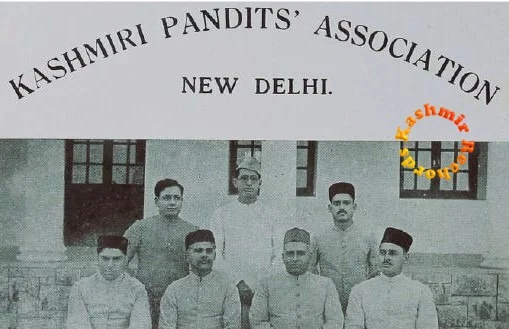
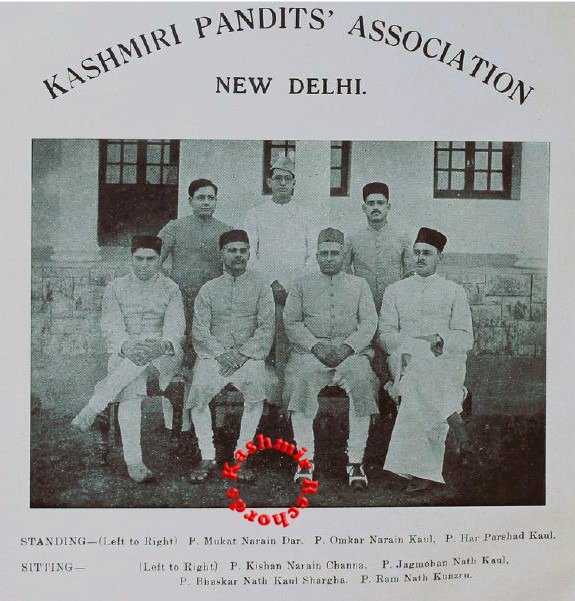
While post-1950 saw the establishment of organizations like the All India Kashmiri Samaj and the Kashmiri Samiti Delhi, records indicate that the Kashmiri Pandits’ Association in New Delhi was well-knit and operational as early as 1935.

Before India’s independence, Delhi hosted a significant non-Kashmiri-speaking Kashmiri Pandit community. Most members resided in areas like Bazar Sita Ram, Sadar Bazar, Chandni Chowk, Hanuman Road, Raisina Road, Doctors’ Lane, Hasting Square and Karol Bagh. These families were mostly  descendants of those who  had fled Kashmir during periods of religious persecution, with migrations dating back to the 16th century.

Leadership in 1935

In 1935, the association was led by prominent figures of the time:

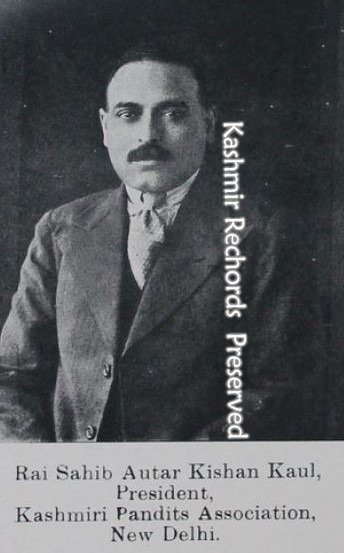
  • Rai Saheb Autar Kishan Kaul (President):
    • Profession: Superintendent in the Foreign and Political Department.
    • Residence: Lal Bagh, Delhi.
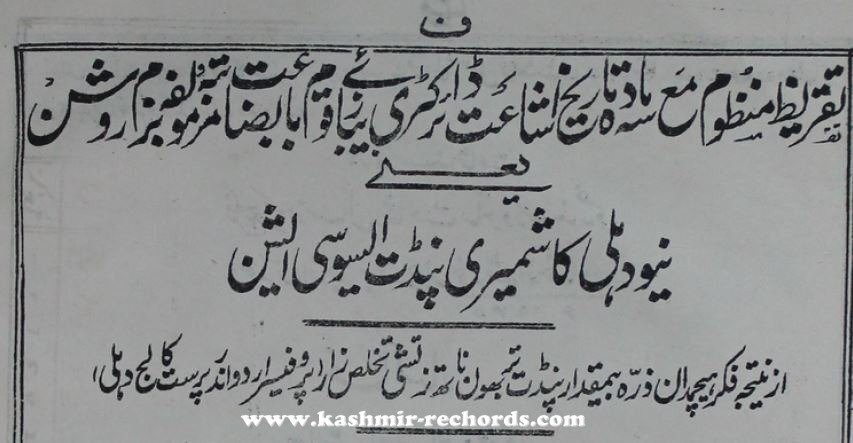
    • Background: His family’s migration history traced back to the 1830s, moving from Kashmir to Lucknow and then to Shekhupura, Punjab, (Now Pakistan), during the Indian Mutiny of 1857.
    • Family: Married to Smt. Rameshwari Kaul, with two sons and a daughter, all students in 1935.
    • Ancestral Migration: His grandfather  had moved from Kashmir to Lucknow in the 1830s and later to Shekhupura, Punjab, during the Indian Mutiny of 1857.
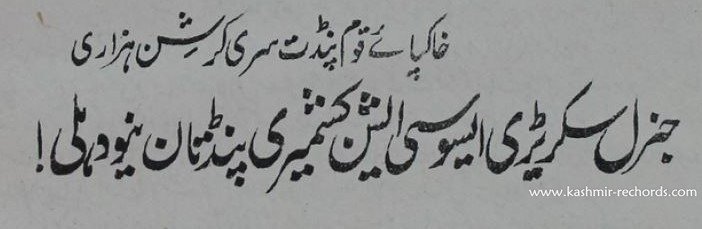
  • Pt. Sri Krishan Hazari (General Secretary):
    • Profession: Stenographer in the Railway Board.
    • Residence: Divided his time between Delhi and Shimla.
    • Family: Family: Married to Smt. Kishni Mohini of the Raina dynasty, with two sons and a daughter, all students at the time.

Notable Members

The association’s membership included distinguished individuals like:

  • Pt. Tribhavan Nath Zutshi “Zaar”: A celebrated Urdu poet and professor of Urdu at Indraprastha College, Delhi, whose literary contributions enriched the cultural legacy of the community.

Areas of Settlement

By 1935, the Kashmiri Pandit community in Delhi had established itself in:

  • Old Delhi: Bazar Sita Ram, Sadar Bazar, Chandni Chowk.
  • New Delhi: Hanuman Road, Raisina Road, Doctors’ Lane, Hasting Square, and Karol Bagh.

These families were descendants of those who had left the Kashmir Valley during various periods of persecution and hardship, with migrations documented as far back as the 16th century.

Impact of Migration on Kashmiri Pandit Associations

The Kashmiri Pandits faced multiple exoduses from their homeland, leading to the establishment of community organizations to maintain cultural links and social interaction. By 1935, two prominent associations existed: one in Delhi and another in Lahore (now in Pakistan).

After the partition in 1947, Kashmiri Pandit families moved out of Lahore and resettled in Delhi, Lucknow, Allahabad, and other cities. The Lahore association later merged with the Kashmiri Pandits’ Association in Delhi, creating a unified body to serve the community.

Prominent Members Before and After Independence included  Raj Krishna Sibbu, Rai Saheb Autar Kishan Kaul, S.N. Shivpuri, Ram Bhan, Surinder Zutshi, Jagdish Prakash Taimni, Kailash Nath Baqaya, and Col. (Retd.) Valmiki Katju.

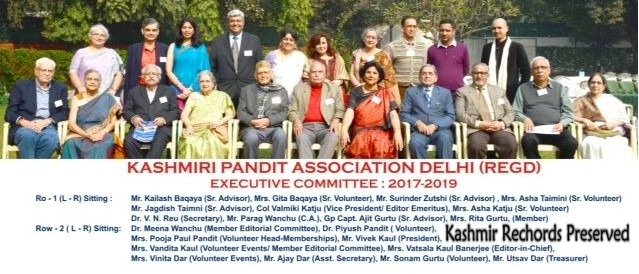
The association continued its activities up to 2017. On September 10, 2017, a new leadership team was elected:

  • President: Mrs. Madhulika Bahadur.
  • Vice President: Col. (Retd.) Valmiki Katju.
  • Secretary: Dr. V.N. Reu.
  • Treasurer: Utsav Dar.

Other members included Ajay Dar, J.P. Taimni, K.N. Baqaya, Surinder Zutshi, and Group Captain Ajit Gurtu.

The Kashmiri Pandits’ Association, New Delhi, established in 1935, stands as a milestone in the history of the Kashmiri Pandit diaspora. It reflects the community’s resilience, commitment to cultural preservation and ability to adapt while remaining deeply connected to its roots. This association not only supported its members but also documented an essential chapter in the broader narrative of Kashmiri Pandit history.