
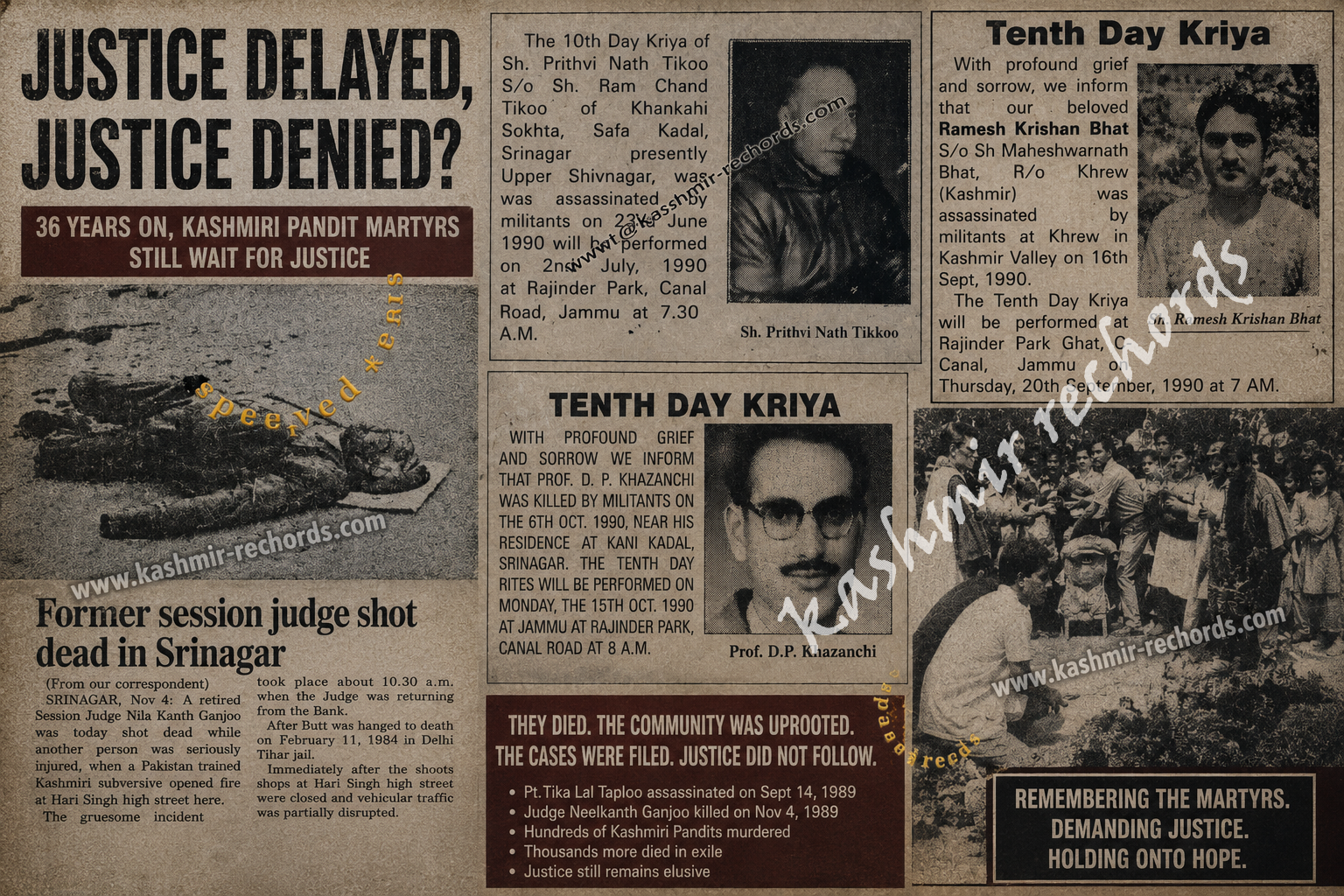
(Kashmir Rechords Exclusive)
The presentation of a chargesheet by the Special Investigation Team (SIT) into the 1990 murder of nurse Sarla Bhat deserves appreciation. Every serious attempt to investigate crimes that scarred Jammu and Kashmir is a step in the right direction. Yet, alongside hope comes an unavoidable question: Why did it take thirty-six years?
More importantly, will this investigation meet a fate different from many before it?
The history of terrorism in Kashmir is filled with cases that began with assurances but faded into silence. The assassination of Justice Neelkanth Ganjoo, murdered in broad daylight on November 4, 1989, remains one of the most striking examples. Despite investigations, identified perpetrators and repeated promises over the decades, justice remains elusive.
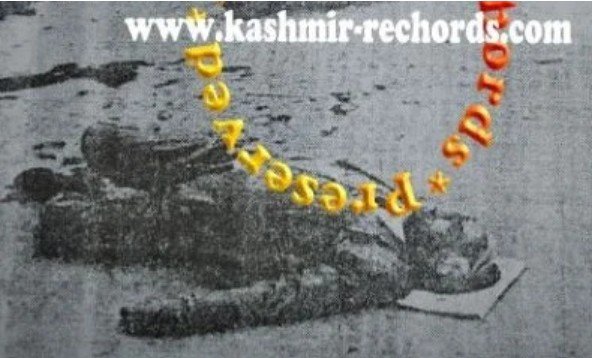
The murder of Pt. Tika Lal Taploo on September 14, 1989, marked the beginning of a dark chapter that would culminate in the mass exodus of Kashmiri Pandits only months later. His assassination was followed by the killings of Justice Neelkanth Ganjoo, broadcaster Lassa Kaul and hundreds of others whose only “crime” was their identity.
For every well-known victim, there were countless ordinary Kashmiri Pandits—teachers, government employees, traders, farmers, women, children and elderly citizens—whose stories rarely entered official records. Many were shot in their homes. Others were abducted and murdered. Many families never even saw justice begin.
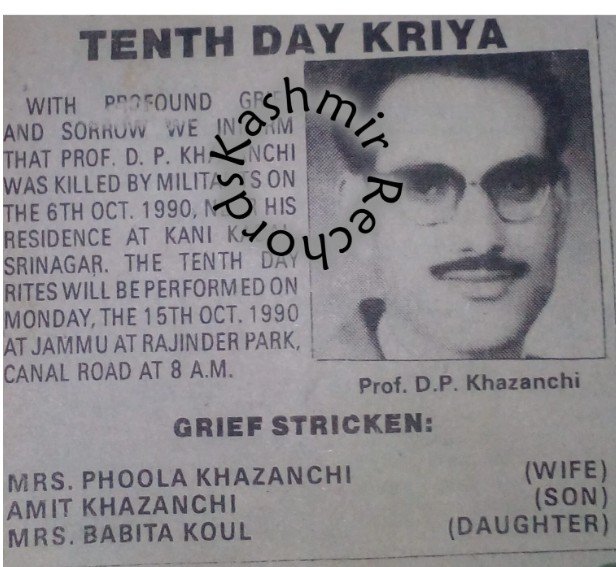
The Tragedy Beyond the Valley
Thousands who survived terrorism succumbed during exile. The scorching summers of Jammu’s refugee camps, snakebites, disease, inadequate healthcare and unbearable living conditions claimed numerous lives. These deaths may not have occurred at gunpoint, but they were inseparable from the displacement forced upon an entire community.
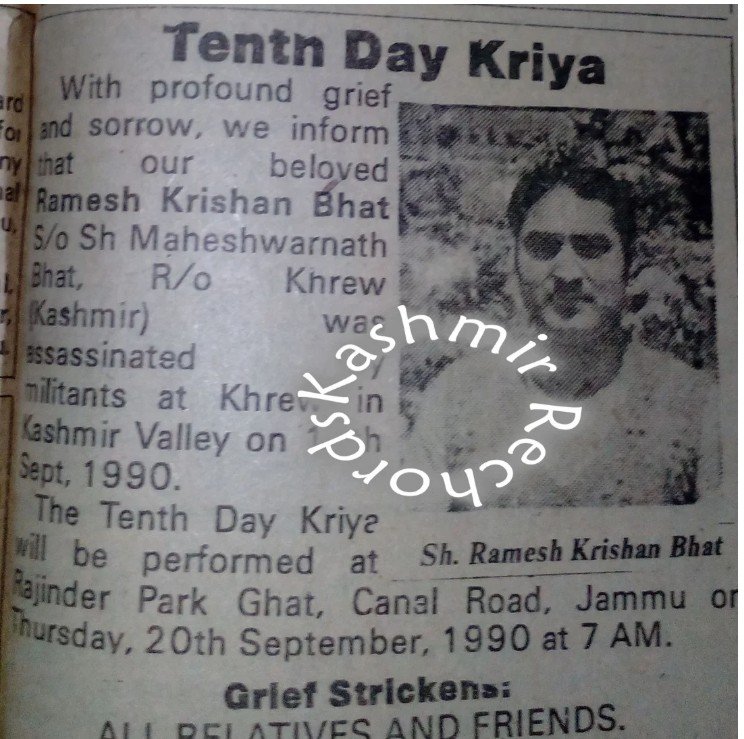
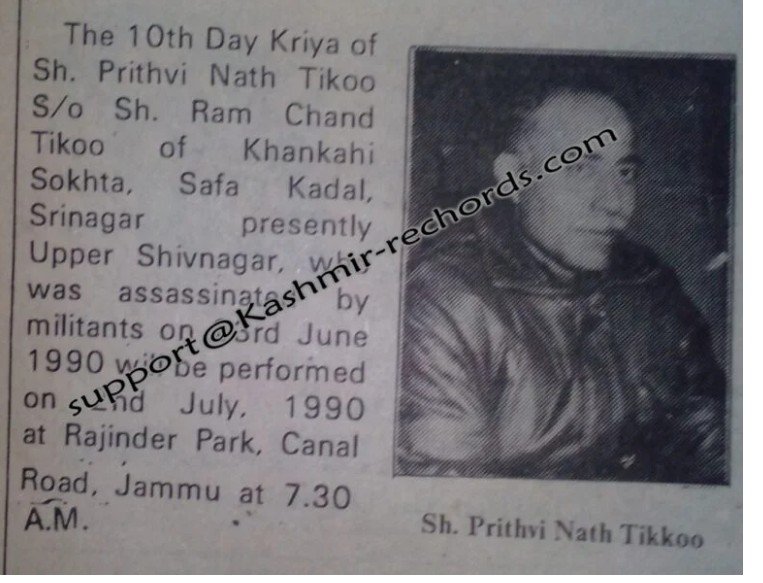
In those early years, before mobile phones or social media connected scattered families, news of another death travelled through brief newspaper notices. Displaced Pandits gathered at Rajinder Park on Jammu’s Canal Road, where funeral rites that had traditionally been performed along the banks of the Vitasta were conducted in exile.
Rajinder Park became more than a cremation ground. It became a silent witness to a community mourning not only its dead but also the loss of its homeland.
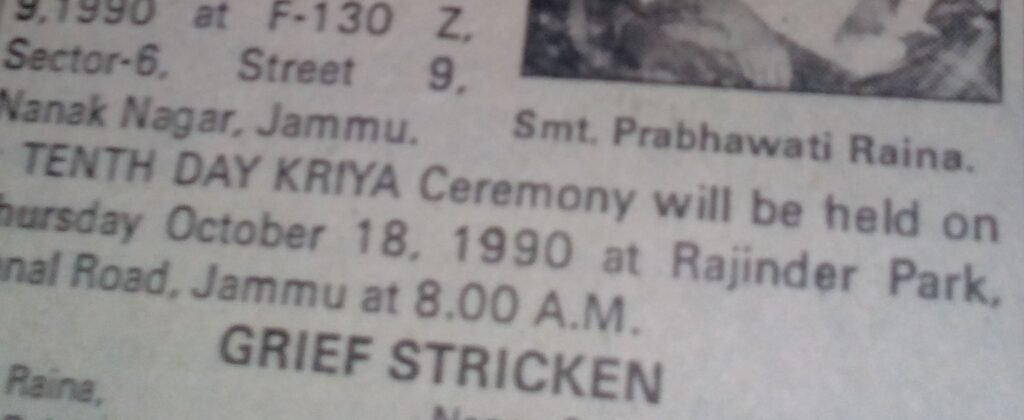
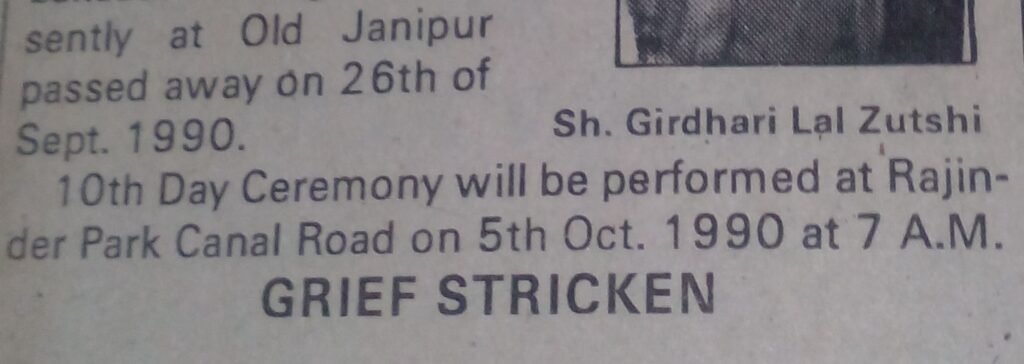

Unsolved Killings
Today, more than three decades later, the reopening of one investigation cannot erase the larger reality. Hundreds of killings remain unresolved. Numerous families continue waiting for accountability. Witnesses have aged. Many parents died before seeing justice for their children. Survivors continue carrying memories that have never found closure.
The SIT’s action in the Sarla Bhat case should therefore be welcomed—not as the conclusion of a journey, but as its beginning.
Justice cannot be selective. If one forgotten case deserves investigation after thirty-six years, so do the hundreds of others whose files gather dust. Justice for Kashmiri Pandits cannot rest on symbolic reopenings alone; it requires sustained investigation, prosecution wherever possible, and an honest acknowledgement of the scale of the tragedy.
The reopening of a decades-old murder investigation raises difficult questions about delayed justice, institutional accountability and whether truth can still prevail after a generation has passed.
Every September 14, Kashmiri Pandits observe Martyrdom Day in memory of Pt. Tika Lal Taploo and all those who fell to terrorism. Candles are lit not merely to remember the dead but to affirm that their stories will not disappear into forgotten files.
For a community that has waited for more than three decades, hope still survives—but hope alone cannot substitute justice.
History remembers those who were killed.Justice must remember those who were left waiting.