Home Blog Page 13

From Kashmir’s Orphan to Lahore’s Builder  

(Kashmir Rechords Exclusive)

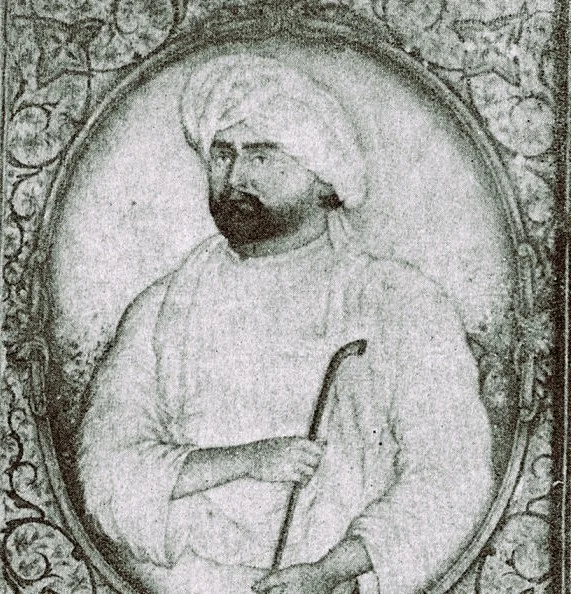
In the early 19th century, the picturesque valleys of Kashmir were devastated by a series of merciless famines. Among the many who fled the land in search of survival was a young boy named Sultan Malik. Born into a Rajput Muslim family in Shahabad (Verinag), Kashmir, Sultan’s world was turned upside down when he became an orphan at the tender age of ten. With little more than hope and the guidance of his widowed mother, Sultan joined the exodus to Punjab—a journey that would ultimately lead him to an extraordinary destiny.
The Exodus to Punjab: A New Beginning in Lahore

The migration was fraught with hardship, but it led Sultan and his mother to Lahore, a city undergoing rapid transformation under the rule of Maharaja Sher Singh. Lahore, with its burgeoning construction projects, offered a glimmer of opportunity, though the city’s streets were unforgiving to the impoverished and unskilled. But Sultan was not one to succumb to despair. He was physically strong, with a fierce love for wrestling—a passion that would soon open unexpected doors.

Wrestling into Prominence: A Meeting with Maharaja Sher Singh

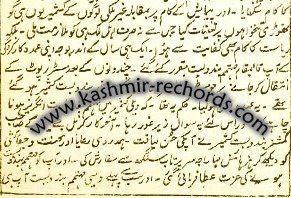
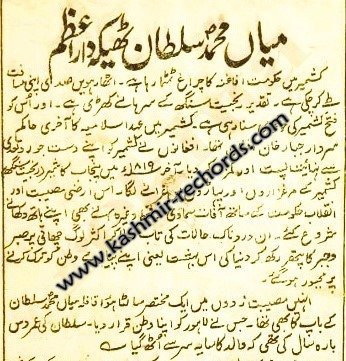
Urdu Newspaper and magazines of that era available with www.kashmir-rechords.com reveal that in a twist of fate, Sultan’s prowess in wrestling brought him into the limelight. During a wrestling match organized by Maharaja Sher Singh, the young Kashmiri boy defeated a well-known local wrestler, earning the attention of the Sikh monarch. Impressed by his strength and determination, the Maharaja granted Sultan an audience. It was during this meeting that Sultan shared his struggles in finding work, despite his skills and willingness to toil. Moved by his story, Maharaja Sher Singh awarded him a contract to supply lime (chuna) for the construction of the Lahore Fort—a decision that would alter the course of Sultan’s life.

The Rise of Thekedar Mian Mohammad Sultan

This contract was the foundation upon which Sultan built his future. His integrity and hard work quickly earned him a reputation, and soon he was known as Thekedar Mian Mohammad Sultan. His business thrived, and he became a key figure in the construction of several iconic buildings within Lahore’s walled city. Sultan’s rise from a struggling migrant to a celebrated contractor was nothing short of miraculous, a testament to his resilience and drive.

Legacy Beyond the Sikh Empire: Contributions to British Lahore

The fall of the Sikh Empire did not dim Sultan’s fortunes. The British, recognizing his contributions during the Sikh rule, entrusted him with numerous contracts, including the construction of army colonies and other critical structures. Among his most notable projects were the Lahore Railway Station, Landa Bazaar, Delhi Darwaza, and the grand Sultan Mehal. His work extended beyond mere construction; he built wells in the courtyards of buildings and havelis, acts of charity that endeared him to the people of Lahore.
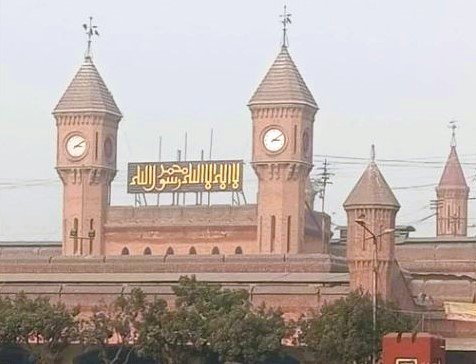
Lahore Railway Stations constructed by Mian Mohd Sultan in 1859

Acts of Benevolence: Sultan’s Inn and Diplomatic Feasts
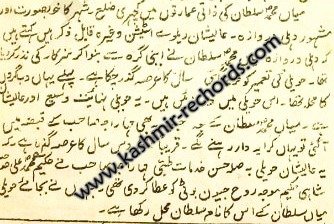
In 1853, Sultan built an inn near Delhi Gate, on the highway connecting Lahore and Amritsar. This inn provided much-needed rest to travellers and reinforced Sultan’s reputation as a benefactor. His generosity did not go unnoticed by the elite. In 1869, Sultan hosted a lavish feast for the Afghan monarch, strengthening ties between Lahore and Afghanistan. Seven years later, he welcomed Prince Albert Edward, the Prince of Wales, to Lahore, further solidifying his status as a man of influence and respect.

The Decline of Fortunes: A Legacy Endures

Despite his numerous successes, Sultan’s later years were marked by financial difficulties. After facing significant losses, he was forced to mortgage his properties to Maharaja Ranbir Singh of Jammu and Kashmir in exchange for a debt of five lakh rupees. The Maharaja, in recognition of Sultan’s contributions, granted him a pension, but Sultan never fully recovered. His properties were eventually sold, and his fortunes waned.

Mian Mohammad Sultan passed away on February 4, 1876, in Bama Balla, Lahore, leaving behind no heirs. Yet, his legacy as the builder of Lahore endures. A white stone memorial, erected in his honor during a visit by Lord Hardinge, Governor-General of India, in 1911, stands as a lasting testament to the man who, against all odds, shaped the architectural landscape of Lahore.
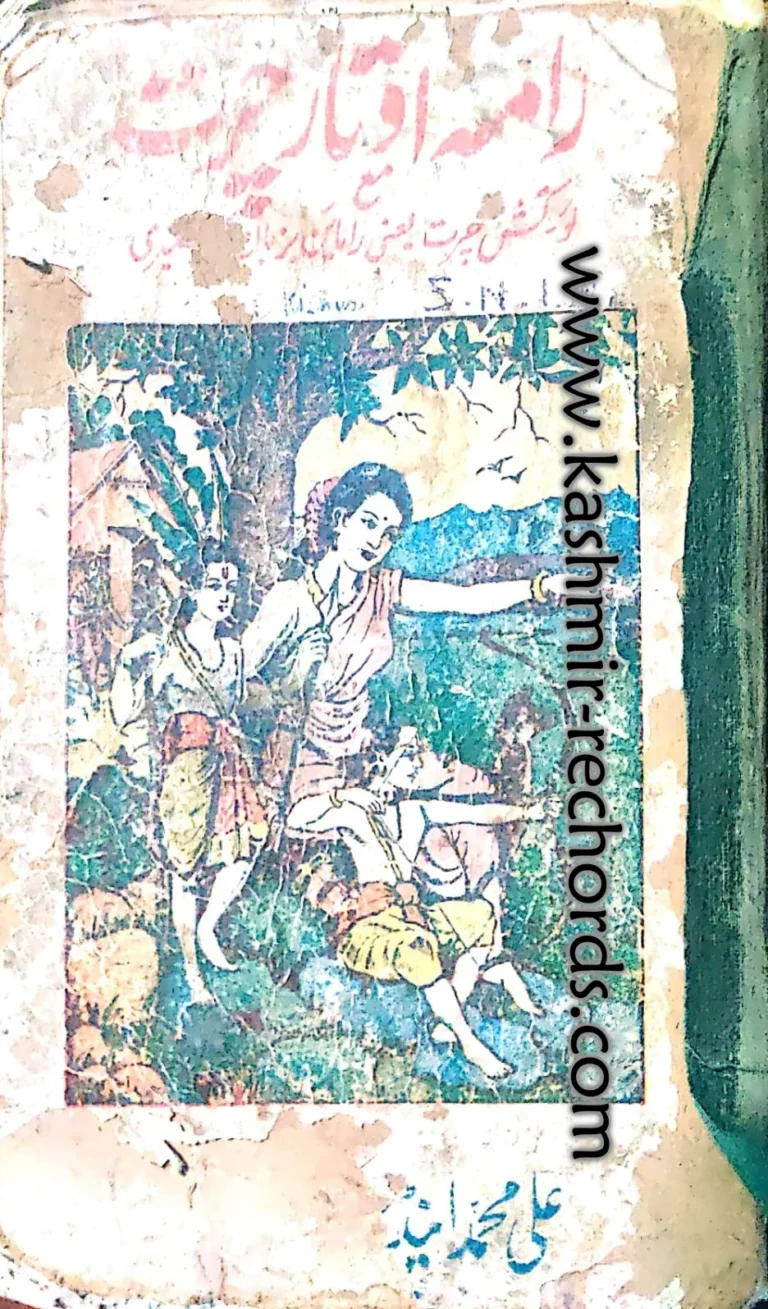
Rediscovering the Lost Artists of the Kashmiri Ramayana

(Kashmir Rechords Exclusive)

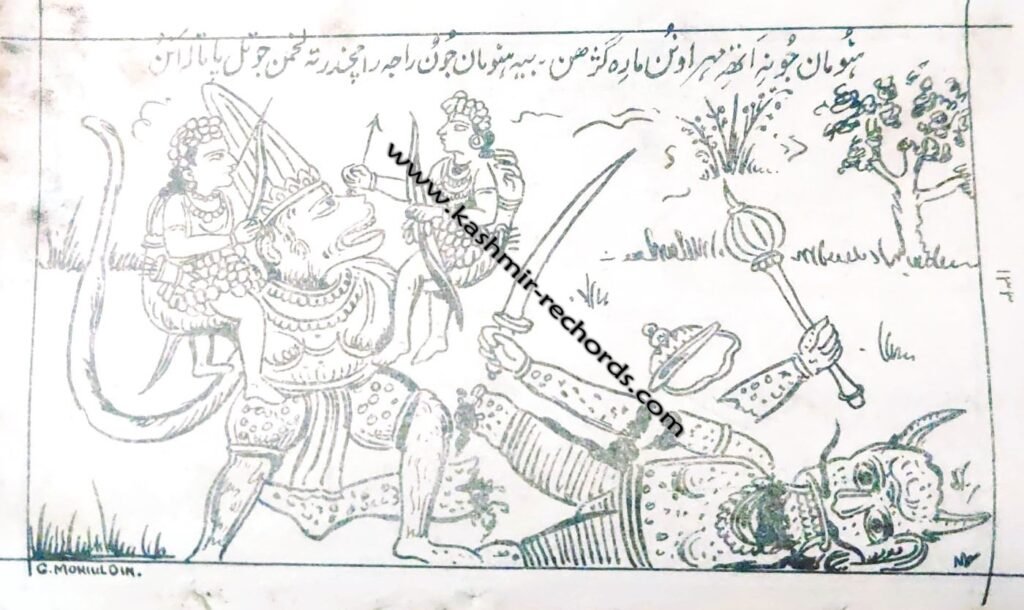
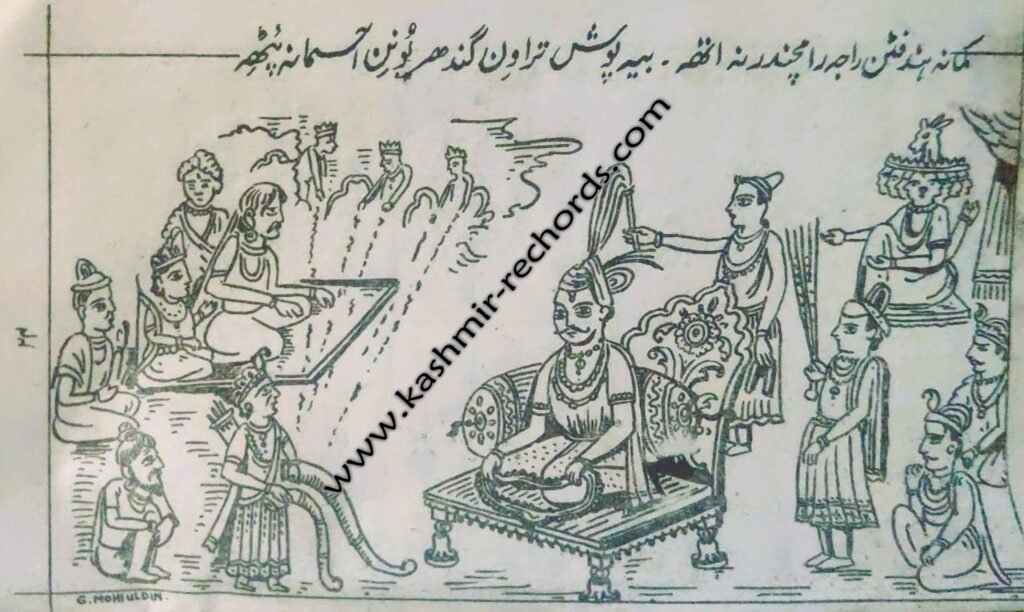
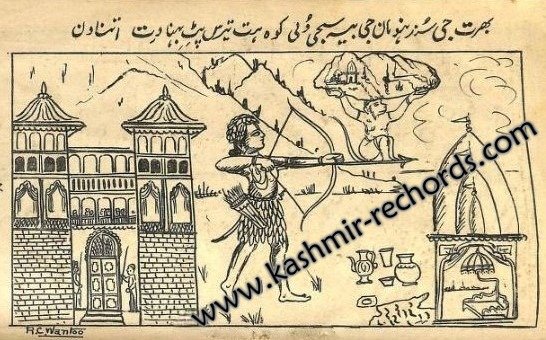
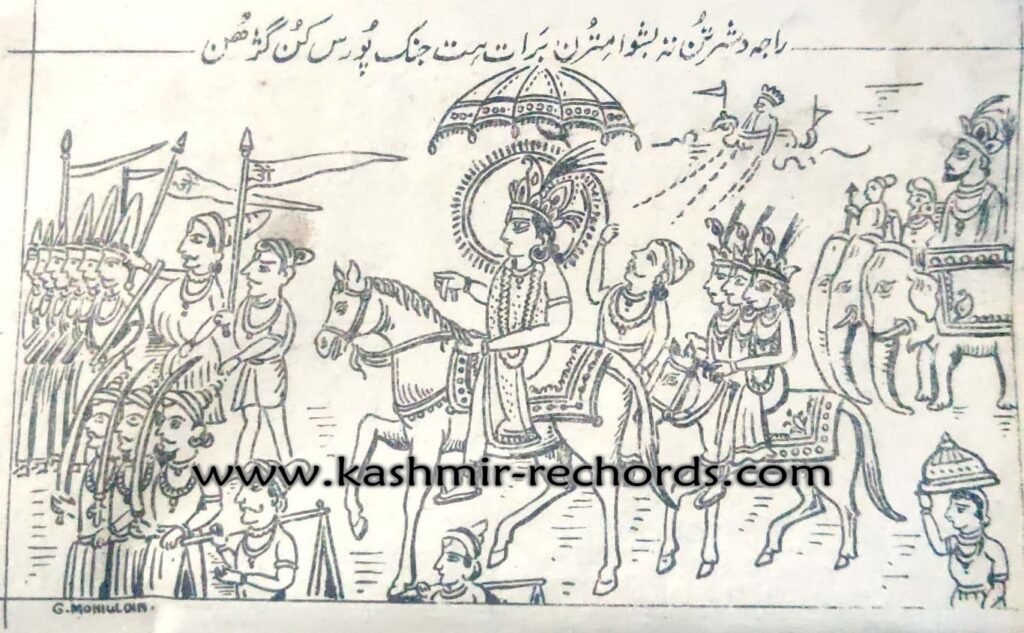
In the heart of Kashmir, a unique version of the Ramayana stands as a testament to the region’s rich cultural tapestry. This iconic Kashmiri Ramayana, penned by Pandit Devkar Prakash Bhat and published multiple times between 1910 and 1940 by Ali Mohammad Tajar Kutab (later known as Ali Mohd and Sons) of Habba Kadal, Srinagar, is adorned with exquisite handmade sketches. These sketches, brimming with dedication and devotion, were crafted by two almost forgotten Kashmiri artists: R.C. Wantoo and G. Mohi ul Din.

The Silent Artists Behind the Masterpiece

Much has been written about the Kashmiri Ramayanas, but little is known about R.C. Wantoo, a Kashmiri Pandit and G. Mohi ul Din. Their artistry brought to life the verses of Pandit Devkar Prakash Bhat, portraying the epic tales of Lord Rama with unmatched skill and passion. Their sketches provided visual narratives that complemented the poetic verses, making the stories more vivid and accessible to readers.

Preserving Their Legacy

Kashmir Rechords,  is in possession of two editions of this Ramayana, published by Ali Mohd and Sons. These editions feature the names of R.C. Wantoo and G. Mohi ul Din, etched beside their beautiful sketches. In an effort to ensure these artists are not forgotten, Kashmir Rechords is bringing their work to the public domain, hoping that those with knowledge of these artists can provide further insights.

The Kashmiri Ramayana: A Cultural Treasure

The book, titled “Rama Avtar Charit—Luv Kush Charit” and “Ramayan Bazaban Kashmiri” by Pandit Devkar Prakash Saheb Bhat, holds a significant place in Kashmiri literature. Even Sir George Grierson, who edited the summary page of Ramayana into English, did not include the sketches by Wantoo and Mohi ul Din. Over the years, this Ramayana has been reprinted in various languages and scripts, including Kashmiri (Nastalique and Nagri), English, and Hindi. However, the unique handmade sketches by Wantoo and Mohi ul Din have often been missing in these versions.

A Call for Recognition

The history of the Kashmiri Ramayanas is vast. The first known Kashmiri Ramayana, “Shankara Ramayana,” was transcribed from Sharada into Devanagari by Shankar Kanth during the reign of Maharaja Ranbir Singh. This was followed by several other versions, each contributing to the literary heritage of Kashmir. Among these, the “Rama Avtar Charit” by Divakar Prakash Bhat, used by George A. Grierson for his summary page translation work, stands out for its inclusion of Wantoo and Mohi ul Din’s sketches. It is in this book that the famous Kashmiri lines are found:

Koushaliya Hindeh Gobroo,

Karyo Goore Goore,

Paryo Ram Ramie,

Karyo Goore Goore”

Seeking Contributions

Kashmir Rechords aims to publish a detailed account of the Kashmiri Ramayanas and their various editions in future write-ups. In the meantime, we  are seeking information about R.C. Wantoo and G. Mohi ul Din. Those who know about these artists are encouraged to provide genuine inputs to support@kashmir-rechords.com or kashmirrechords@gmail.com. Full credit will be given to contributors, ensuring that the legacy of these remarkable artists is preserved and celebrated.

A Kashmiri Pandit Governor Who Knew Pashto!

(Kashmir Rechords Exclusive)

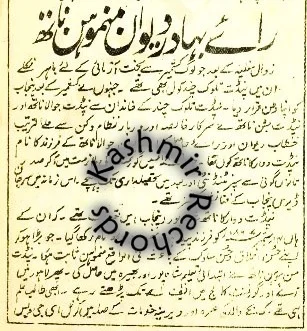
In the annals of pre-independence India, the name Rai Bahadur Dewan Manmohan Kaul stands out, not just for his administrative prowess but for his unique ability to connect with the diverse people he governed. Born on December 14, 1867, into a third-generation Kashmiri Pandit family in Punjab, Kaul’s journey from the academic corridors of Shahpur and Lahore to the challenging terrains of the frontier provinces is a tale of dedication, intelligence, and cultural empathy.

Early Life and Career

Kaul’s early education in Shahpur and subsequent F.A. degree from Lahore set the stage for a career marked by excellence. His academic brilliance and administrative skills caught the eye of Col. E.G. Vace, the Financial Commissioner of Punjab, who appointed him as Naib Tehsildar. Kaul’s ascent continued as he was promoted to Administrator Settlement and later appointed as Border Areas Development Commissioner. In this role, he administered the restive provinces of Swat, Buner, and Khad-o-Khel, among others.

Linguistic and Cultural Integration

One of Kaul’s most remarkable attributes was his fluency in Pashto, a language that endeared him to the local populace. Mohammad Din Fauq, one of Kashmir’s greatest historians, highlights this aspect in his seminal work on Kashmiris’ achievements. Kaul’s ability to speak the local language earned him immense respect and popularity, allowing him to navigate the frontier provinces without the need for an armed escort.

Rise to Prominence

Col. Henry Montgomery, the Settlement Commissioner of Punjab, recognizing Kaul’s capabilities, recommended him to the Maharaja of Kashmir for the position of Assistant Settlement Commissioner. Following the death of Mr. Rupert Murdoch, Kaul succeeded him and eventually took charge as the Settlement Commissioner in Kashmir. His tenure was marked by innovative initiatives, including a visionary plantation programme that provided employment to local residents and involved them in land revenue record-keeping.

Governorship and Reforms

Kaul’s exemplary work led to his appointment as the Governor of Kashmir on August 30, 1901. His governorship was characterized by relentless efforts to combat exploitative practices by traders, contractors, and octroi post agents. Kaul’s administration focused on infrastructure development, leading to the creation of new areas around Srinagar such as Raj Bagh, Gupkar, Munshi Bagh, and the Silk Factory. He also developed access roads to Gulmarg and Sonamarg, enhancing connectivity and trade.

Educational Contributions

Kaul was a staunch advocate for education, playing a pivotal role in elevating Sri Partap College and supporting institutions like the State High School and Islamia High School with generous financial grants. His contributions to education left a lasting impact on the region, fostering a culture of learning and progress.

Legacy and Reflections

Kaul’s legacy extended through his family, with his son, Maheshwar Nath Kaul, serving as the first Secretary of the Lok Sabha from 1947 to 1958. This remarkable lineage of service and excellence underscores the enduring contributions of the Kaul family to Indian society. Kashmir Rechords has already carried a detailed story about his son, which can be assessed at : https://kashmir-rechords.com/two-kashmiris-who-played-a-pivotal-role-in-indian-parliamentary-functioning/

Mohammad Din Fauq, reflecting on Kaul’s life and achievements, lamented that Kashmiris often excel outside their homeland—a sentiment that resonates even today. Manmohan Kaul’s story is a testament to the profound impact one individual can have through cultural empathy, administrative acumen, and an unwavering commitment to public service.

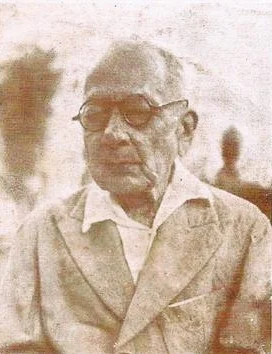
Pandit Brij Mohan Dattatreya : A Forgotten Luminary with Kashmir Connection!

(Kashmir Rechords Exclusive)

Pandit Brij Mohan Dattatreya, known by his penname “Kaifi Dehlavi” or simply “Kaifi,” was a distinguished writer of Urdu, Persian, and Sanskrit in undivided India. Born on December 13, 1866, in Old Delhi, Kaifi hailed from a Kashmiri Pandit ancestry. His family had relocated from Kashmir at the dawn of the nineteenth century, an uprooting that left a deep emotional impact on him. Despite his longing to return to his ancestral land before the partition of the subcontinent, circumstances prevented him from fulfilling this dream.

(Datttriya’s Kashmir Connection)

Kaifi faced immense personal tragedies, losing his parents at a young age and his wife, the daughter of Sh. Ajodyanath Shivpuri, a Kashmiri Pandit from Lucknow, when she was just 40. He also endured the heart-breaking loss of two sons in their prime, one of whom was Pyare Lal Dattariya, the renowned editor of The Tribune when it was published from Lahore. Kaifi’s life came to an end on November 1, 1955, in Ghaziabad, Uttar Pradesh.
Early Life and Education

Growing up in the Sita Bazar area of Delhi, Kaifi’s father, Kanhaya Lal Dattariya, a Kotwal in the police department, ensured his son received an excellent education. He employed well-known scholars of Hindi, Arabic, and Persian to tutor Kaifi during his early years. Later, Kaifi attended Delhi’s prestigious St. Stephen’s College to master the English language.

In 1915-16, Brij Mohan Dattariya  moved to Europe for further studies. He also spent several years in Lahore, where his son was an editor of The Tribune. During his time in Lahore, Kaifi became a valuable asset to numerous Urdu organizations and institutions based in the city.

Literary Contributions and Legacy

Kaifi was a luminary not only in Urdu but also in Sanskrit and Hindi literature. From a young age, he displayed a profound interest in literature and classical studies, penning over 17 books during his career. Despite his prolific output, Kaifi’s legacy has faded in an era dominated by the noise of social media, and his contributions risk being forgotten by newer generations.

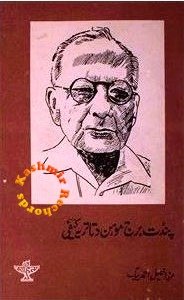
A Book on Pt Brij Mohan by Sahitya Akademy-1989)

Kaifi played a crucial role in promoting Urdu, recognizing its cultural and linguistic richness. Through his writings, lectures, and public engagements, he emphasized the importance of Urdu as a medium of literary expression and cultural identity. His efforts helped bridge gaps between different linguistic communities and fostered a greater appreciation for Urdu literature. In recognition of his vast contributions to Urdu literature, the Sahitya Akademi in Delhi published a book on his life and works in 1989. However, his significance had already been highlighted by Kashmiri-origin writer and author Mohammad Din  Fauq in his 1907 book, based on life and works of “Great Kashmiris’’.
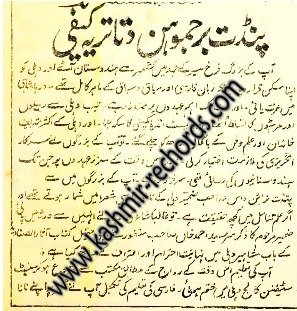
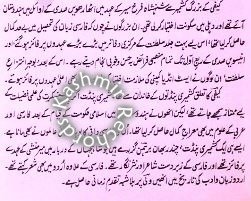
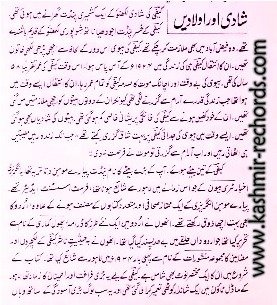
Pages from Kaifi’s Books–1905 and 1911

Professional Achievements

Kaifi had a distinguished career, editing a monthly magazine, Bharat Darpan, which he started in 1905. In 1911, he published a masterpiece, Tauzuk Qaseri, in Urdu from Jalandhar city. His mastery over languages earned him the applause of the Kapurthala Darbar, where he came into contact with Raja Daljeet Singh, who later became the Prime Minister of Jammu and Kashmir.

When Daljeet Singh was appointed Prime Minister of Kashmir, he chose Kaifi as his Personal Secretary. Kaifi later became the Assistant Secretary of the Department of Foreign Affairs for the J&K Government. After relinquishing his position in the Foreign Affairs Department, the Maharaja of Kashmir appointed him as the Collector of Chenani area in Jammu division.

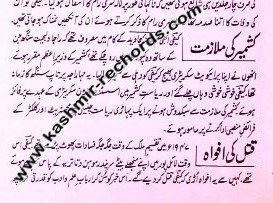
Kaifi’s Job at Kashmir and the rumour of his murder!

A Return to Roots and Final Days

It is believed that  Dattariya Kaifi chose to work in Jammu and Kashmir to reconnect with his ancestral roots. However, destiny had other plans. During the partition, he found himself stranded in areas that became part of Pakistan. It took several months for him to prove he was still alive after erroneous reports of his killing  were published in some newspapers of the time.

Kaifi’s life story is one of resilience, profound intellectual achievement, and unfulfilled yearning for his ancestral homeland. His legacy, though overshadowed by time, remains a testament to his contributions to Indian literature and culture.

Forgotten Kashmiri Pandit Shrines in North Kashmir!

0
(Kashmir Rechords Exclusive)

The northern part of Kashmir is rich in shrines and temples historically significant to the Kashmiri Pandits. These sacred structures, once documented by Kashmiri Muslim scholars and travelers a century ago, have largely been forgotten by contemporary historians and writers. However, thanks to the meticulous work of Mohammad Din Fauq, a celebrated writer and journalism pioneer, the legacy of these shrines is not entirely lost.

Fauq–A Resident of Jammu and Kashmir!

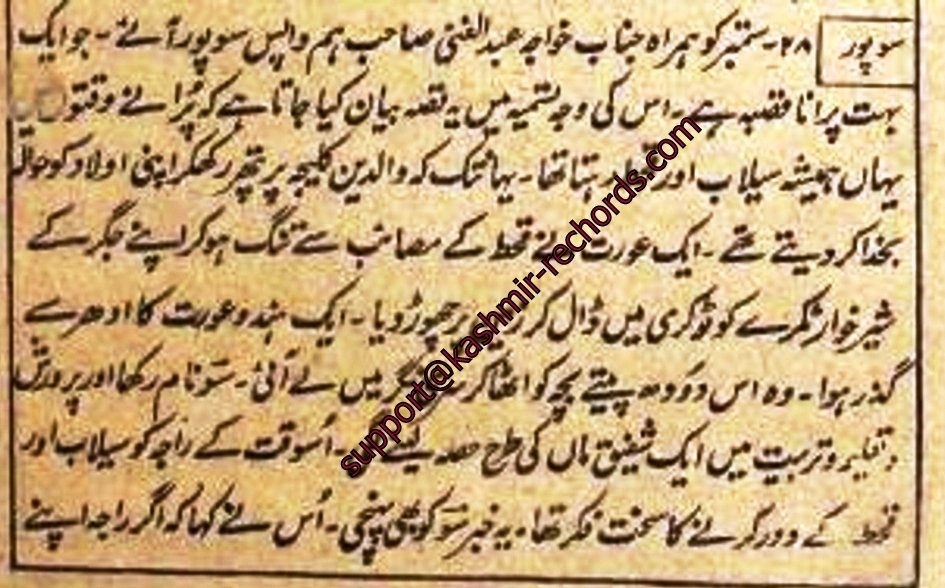
During his visit to Kashmir in December 1907, Fauq, born in 1877 in Sialkot, then part of the Jammu Province, extensively documented the temples and shrines of Kashmiri Pandits in North Kashmir. Despite passing away in Lahore in 1945, his connection to Kashmir remained unwavering, and his works continue to shed light on the region’s rich cultural and historical heritage.

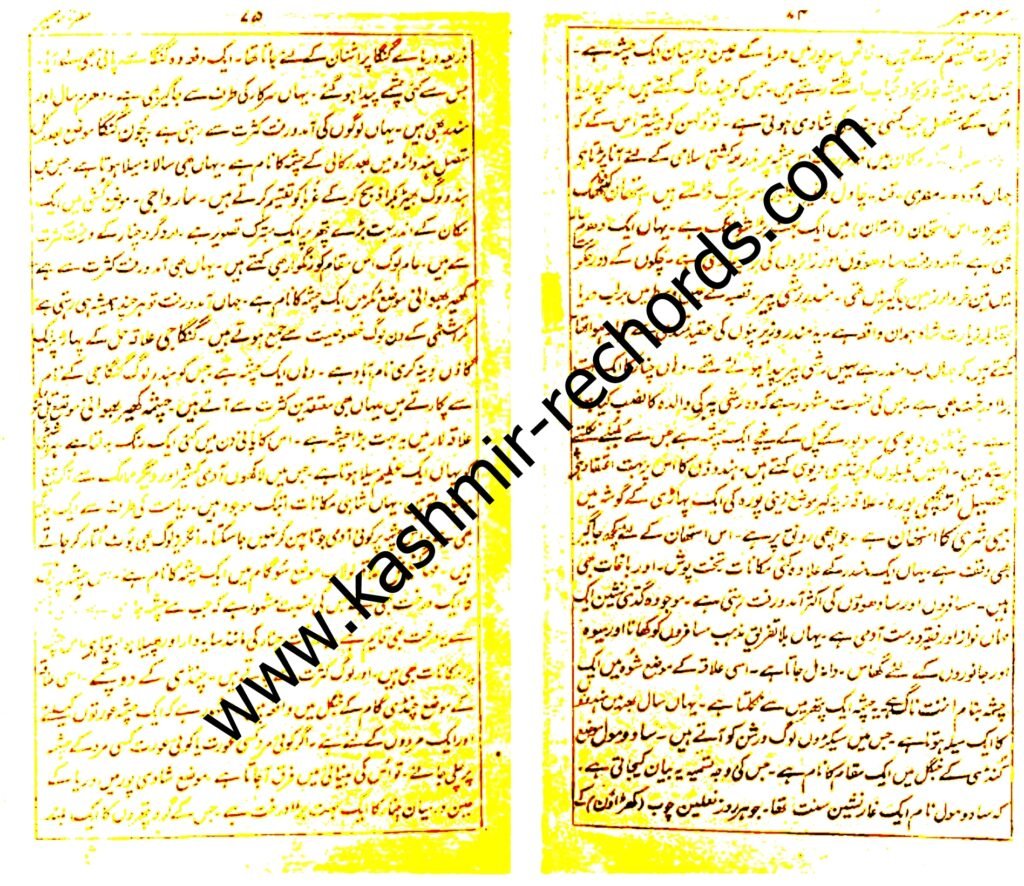
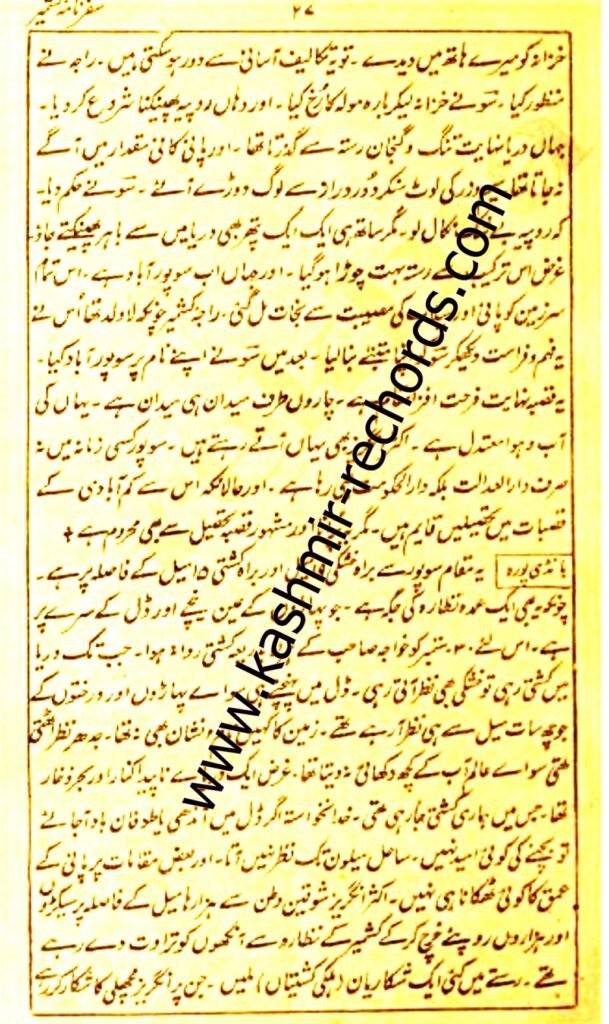
A page from Fuq’s Travelogue to Kashmir in 1907.

Fauq’s Pioneering Documentation

Fauq’s travelogue, “Kashmir Safarnama,” is a treasure trove of information on ancient Hindu shrines that once adorned Kashmir’s landscape. Hailing from the Dar clan, with ancestral roots in Hardu Shiva, Sopore, Fauq’s detailed accounts of these shrines offer invaluable insights.

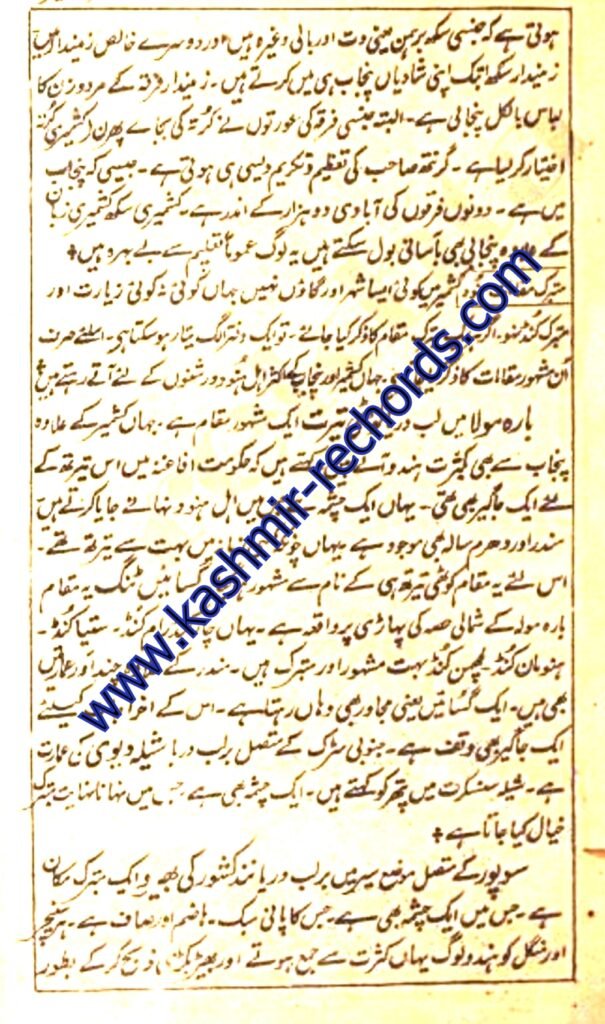
In his “Kashmir Safarnama, of 1907, Fauq meticulously records numerous ancient Hindu shrines, such as:

  • Nandkeshwar Temple, Seer Jagir, Sopore: Known for animal sacrifices by devotees.
  • Chander Naag, Sopore : A unique site in the Jehlum River near Sopore, where Kashmiri Pandits traditionally take their brides to pay obeisance.
  • Bhairav Temple, Sopore: Referred to by Fauq as “Kantak Bhairav,” housing a large historical Shivlingam.
  • Resh Peer Temple, Sopore: Constructed under the direction of Wazir Pannun, a devout follower of Saint Resh Peer.
  • Chandi Devi Tirath, Sopore: A notable spring in the Jehlum River beneath the Sopore bridge.

Historical Shrines in Baramulla and Kupwara

In his travelogue, Fauq also documents various other shrines, including:

  • Bemai Shree and Shiva Shrines, Zainagir, Sopore: A significant stop for pilgrims on their way to Sharda at Teetwal.
  • Koti Tirath and Gosain Taing, Baramulla: Temples encircling a sacred spring and a historical site along the Baramulla–Uri road.
  • Shrines in Kupwara: Including the Kandi Kupwara temple and Dharamshala, the famous Bhadarkali temple, and Shadipora (Shardapur) Safapora, known as Kashmir’s Prayag.

A Legacy of Preservation

Fauq’s work extends beyond just “Kashmir Safarnama.” He authored over a hundred books, including “Mukammil Taareekhe Kashmir,”Taareekhe Aquame Kashmir,” and “Tazkira E Sultan Zainul Abedin.” These writings have played a crucial role in documenting and preserving Kashmir’s cultural and historical heritage.

As Kashmiri Pandits strive to reclaim their historical shrines, Mohammad Din Fauq’s meticulous documentation remains invaluable. His unbiased and detailed accounts ensure that the rich civilisational heritage of Kashmir, so deeply cherished by its people, will endure for generations to come.

Syed Malik: Kashmir’s Stalwart Journalist

(By: Kashmir Rechords Representative)

Mohammad Syed Malik, often referred to as Syed Malik, was born in the picturesque region of Kashmir, known for its stunning landscapes and rich cultural heritage. From a young age, Malik exhibited a keen interest in literature, politics, and the social dynamics of his homeland. His early education in local schools laid a strong foundation, which was further honed through higher education where he studied journalism and political science.

Beginning of a Distinguished Career

Malik’s foray into journalism began in the mid-20th century, a period marked by significant political upheaval and socio-economic changes in Kashmir and the broader Indian subcontinent. He started his career as a reporter, covering local events and stories that often went unnoticed by larger media houses. His dedication to unbiased reporting and his knack for getting to the heart of the story quickly earned him a reputation as a reliable and insightful journalist.

Prominence in Print Journalism

A long-serving Special Correspondent in Srinagar for the now-defunct Delhi-based national daily newspaper Patriot and Link Newsweekly, Malik’s incisive political commentary provided clarity and perspective on the complex political landscape of Kashmir. He was known for his balanced approach, giving voice to various sides of contentious issues.  Malik was also associated with Information and Public Relations Department in the government of the undivided state in the 1970s. He was briefly associated with Kashmir Times at its Jammu office during 1989-90, where he assisted Editor Ved Bhasin and his team.

Syed Malik ( Extreme Right) during Radio Kashmir Srinagar’s
Mehfil Programme with Veteran Journalist, Mulkh Raj Saraf

Excellence in Radio Journalism

Apart from being a veteran print journalist, Mohammad Syed Malik was also an able broadcaster. He participated in several radio programmes, interviews, and discussions broadcast over Radio Kashmir Srinagar and Radio Kashmir Jammu, now rechristened as All India Radio Stations of Srinagar and Jammu. Kashmir Rechords holds many pictures of the past wherein Syed Malik features in prominent radio programmes, including a “Mehfil” programme with Jammu and Kashmir’s veteran journalist, the late Mulkh Raj Saraf.

Syed Malik ( Middle) In the Studios of Radio Kashmir, Srinagar.

Influence on Television

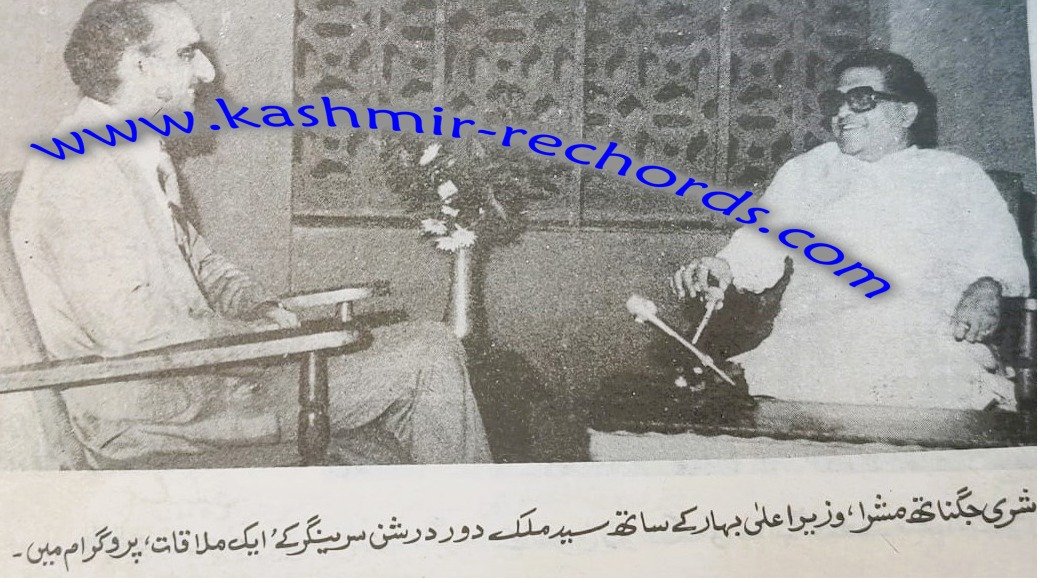
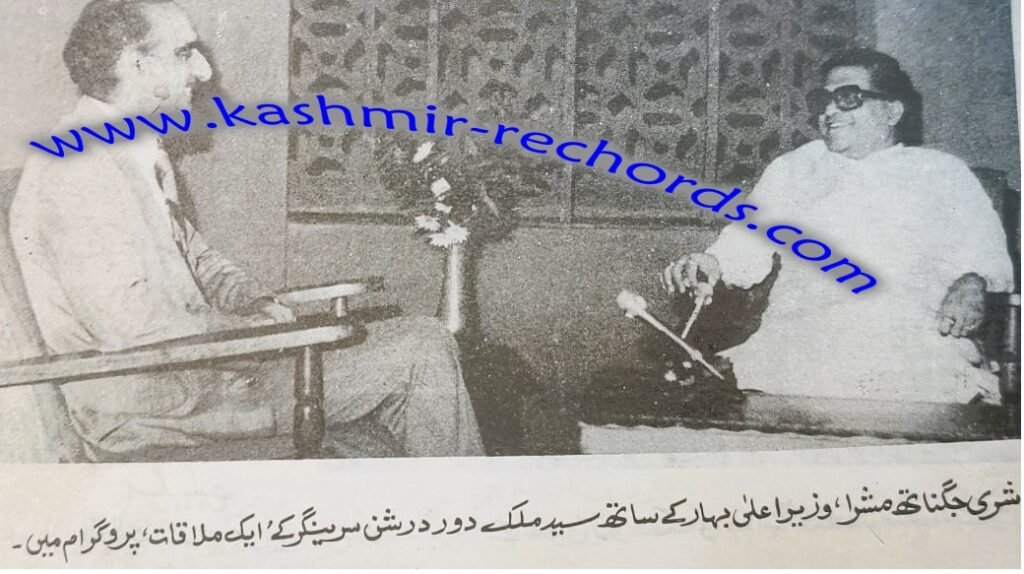
Malik also made his presence felt over Doordarshan Srinagar when the Kendra was thriving, and Kashmiris would glue to their TV sets. He used to be a key figure in interviewing Political leaders and personalities. In one such programmes, he is seen interviewing former Bihar Chief Minister, Jagan Nath Mishra.

Mentorship and Legacy

Over the decades, Mohammad Syed Malik became a prominent figure in both print and broadcast journalism, known for his in-depth analysis and comprehensive reporting. During periods of heightened conflict in the region, Malik’s reports were crucial in providing a clear picture of the ground realities. His courage in covering these sensitive topics often placed him in challenging and dangerous situations. Malik also focused on the human side of events. His stories about the everyday lives of Kashmiris, their struggles, hopes, and aspirations added a vital dimension to his reporting. Mohammad Syed Malik’s legacy is one of dedication to truth and ethical journalism. He groomed his brother, Zahoor Malik, into the profession and inspired a generation of journalists in Kashmir and beyond, emphasizing the importance of integrity, courage, and thoroughness in reporting. Even after his retirement, Malik continued to influence the field through mentorship and occasional contributions to major newspapers and journals

When J&K had Director Lotteries!

(Kashmir Rechords Exclusive)

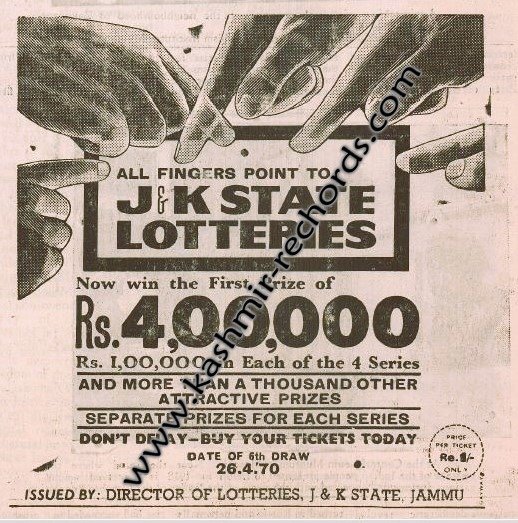
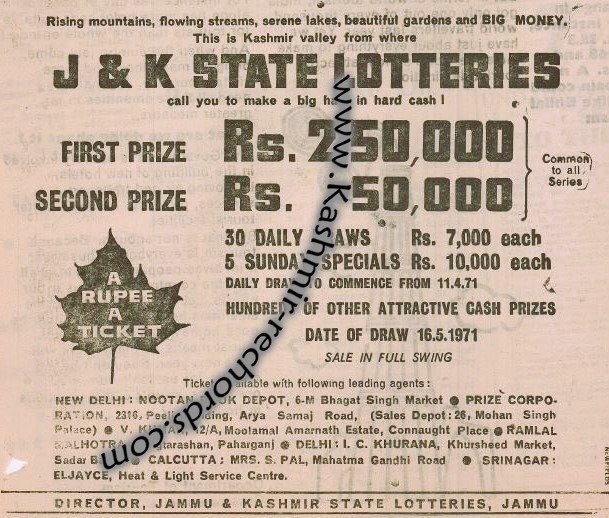
Believe it or not, the erstwhile State of Jammu and Kashmir once had a full-fledged Department of Lotteries, headed by the Director of Lotteries. Under the seal and signature of the Director, the department  used to issue numerous lottery schemes annually, luring not just the State Subjects but also people from other parts of India.

Historical Roots and Operations

According to records available with Kashmir Rechords (www.kashmir-rechords.com), the lottery system was operational in the Princely State even before the partition of the Sub-Continent. Lottery sellers legally operated mainly from commercial areas like Raghunath Bazar in Jammu, Court Road in Srinagar, and the Maisuma locality of Srinagar. They even had outlets in New Delhi and Calcutta (now Kolkata). Kashmir Rechords from its archives is making  public two  such advertisements issued by the Director of Lotteries in 1970 and 1971. The cost of a lottery ticket at that time was just one rupee!

Lottery  Menace

However, this lottery system soon turned into a significant menace for the people of the State. The government had to step in, introducing a law that made selling lottery tickets illegal under the Public Gambling Act No. 18 of 1977. By then, the lottery business in Jammu and Kashmir was estimated to be worth around Rs one crore per month, with Rs 10 lakh given as prize money. The remaining Rs 90 lakh was pocketed by those running the business, leaving many people, especially those with limited earnings, financially devastated.

Today, lotteries and gambling remain matters of State discretion, with no national ban. However, most States and Union Territories, including J&K, have banned them.

The 1971  J&K Lottery Racket

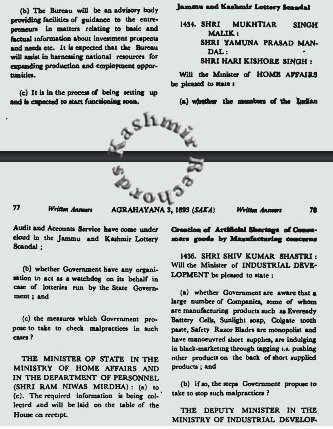
Interestingly, a significant lottery racket surfaced in Jammu and Kashmir in 1971, reaching such serious proportions that the issue was raised in Parliament. On November 24, 1971, three Parliamentarians (Question Number 1434) prompted the then Union Minister of State for Home to address the matter.

  This glimpse into the past reveals a fascinating yet tumultuous chapter in the history of Jammu and Kashmir, highlighting the impact of State-run lotteries on the socio-economic fabric of the region.

Dogra Legacy: From Cultural Fairs to Military Prowess

(Kashmir Rechords Exclusive)

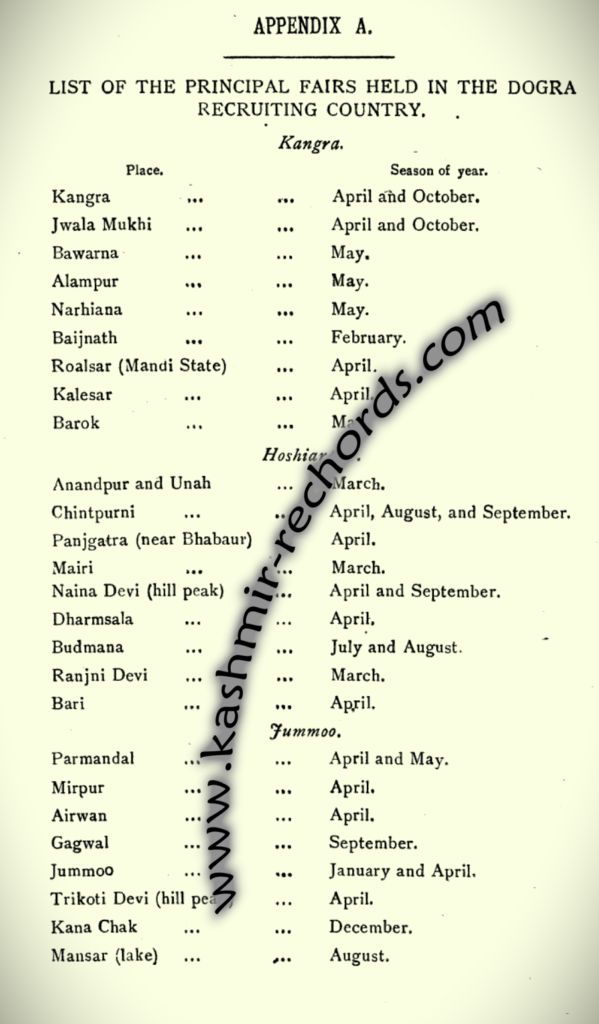
In a fascinating glimpse into the past, a rare edition of Captain A.H. Bingley’s book “Dogras” provides  a detailed account of the valorous Dogra soldiers and their unique recruitment process. The book, originally printed in 1899 at the Central Printing Office in Shimla under the orders of the Government of India, was a comprehensive effort to compile information on the Dogras for their induction into the British Army.

A Cultural Insight into the Dogra Soldiers

Known for their bravery and loyalty, Dogra soldiers were traditionally selected at cultural Melas, fairs  and festivals. This method of recruitment was meticulously documented by Captain Bingley, a member of the 7th (Duke of Connaught’s Own) Bengal Infantry. His work not only highlights the military prowess of the Dogras but also delves into their history, customs, culture, and the regions they inhabited, including Jammu and Kashmir, Punjab and parts of Himachal Pradesh.

The book’s significance is further enhanced by its revisions. In 1921, A. B. Longden added to the original text, and later, Dr. Sukhdev Singh Charak included chapters on Dogra art and literature, making it an invaluable resource on Dogra history and culture.

Military Brilliance and Unique Recruitment

Captain Bingley emphasized the Dogras’ exceptional capabilities in mountain warfare, citing numerous expeditions on the Punjab frontier and their distinguished service in the Hunza-Nagar campaign of 1891 and the defence of Chitral. Unlike other conservative Hindus of the time, Dogras were open to sea voyages and foreign service, with many serving in China in 1860.

The book also highlights specific Dogra recruiting grounds, from Akhnoor to Chamba and Kangra, extending to the South and East of the Chenab in Jammu and Kashmir. It mentions territories along the border of Jammu, including Pathankot, Shakargarh, Sialkot, and Zafarwal, and regions like Jasrota and the Ravi Belt, inhabited by both Hindu and Muslim Dogras.

The Melas: A Unique Recruitment Ground

One of the book’s most intriguing revelations is the practice of recruiting Dogra soldiers at local fairs and Melas. These events, with both religious and commercial significance, were organized throughout the year in areas now part of Himachal Pradesh, Punjab, and Jammu and Kashmir. Notable recruitment fairs were held in the Kangra belt, Hoshiarpur area, and Jammu region, including places like Kangra, Jawala Mukhi, Dharmshalla, Parmandal, Mirpur, Ghagwal, Mansar, and Kana Chack.

However, the selection process faced challenges, as it was sometimes difficult to verify the character and antecedents of

recruits. Despite these limitations, this method highlighted the cultural strength and fighting skills of potential soldiers.

Changing Times and Practices

While some of these cultural and commercial fairs continue to be held, the recruitment process has evolved significantly. In the fast-changing modern lifestyle, the traditional practice of selecting soldiers at fairs has faded, replaced by more structured and formal recruitment methods.

Kashmir Rechords, in possession of this rare edition, underscores the historical and cultural importance of Captain Bingley’s work. As the book finds renewed attention, it serves as a testament to the rich legacy and unique traditions of the Dogra soldiers, offering a window into a fascinating chapter of Military history.

Kashmir’s Quintessential Merchant and Philanthropist

(Kashmir Rechords Exclusive)
Kashmir Rechords is honoured to present the story of a remarkable yet relatively lesser-known historical figure from Kashmir. This individual was the wealthiest merchant of his era, renowned for his exceptional ability to unite people across religious, ethnic, and other divides. His legacy underscores the enduring importance of unity and development in our diverse society.

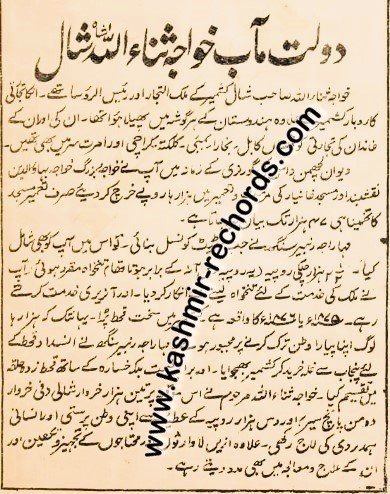
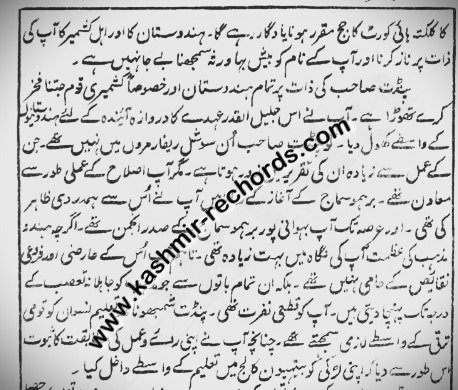
In his 1930 publication by Matba Kareemi Press, Lahore, noted Kashmiri-origin historian and journalist Muhammad Din Fauq highlights some prominent individuals  of 19th century from Kashmir who  had gained fame in British India. Preserved by Sundaraya Vigyan Kendram, Hyderabad, this book stands as a valuable historical document, listing illustrious Kashmiri Pandit and Muslim names side by side, reflecting the harmonious coexistence and mutual respect between the communities.

Fauq mentions his intent to inspire others by listing prominent Kashmiris who achieved success in their respective fields. Among them are notable figures like Pandit Bishamber Nath, Dr. Sir Mohd Iqbal, Daulati Aaliya, Raja Dina Nath, Khawaja Aziz Lucknowi, Tej Bahadur Sapru, Khawaja Sonaullah Shawl, and Justice Shamboo Nath Pandit.

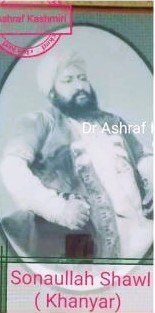
Pic Courtesy: Dr Ashraf Kashmiri

Khwaja Sonaullah Shawl: A Quintessential Kashmiri

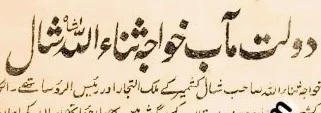
A particularly notable figure is Khwaja Sonaullah Shawl, who never lost his connection to Kashmir despite his wide-reaching influence. Fauq terms him “Rayeesul-Raoosa,” meaning the richest among the rich. Shawl constructed residences in key cities such as Bukhara, Bombay, Calcutta, Karachi, Amritsar and Kabul. Renowned for his philanthropy, he donated substantial sums for the construction of Dargahs and mosques. When Maharaja Ranbir Singh established the first State Council in J&K, Shawl was included as a coveted member.

A Respected Trader and Philanthropist

Khawaja Sonaullah Shawl was one of the most respected traders of his era, with a chain of outlets in the region. A philanthropist, he was a friend of the Afghan ruler and was highly respected by the rulers back home. His surname, Shawl, reflects his prominence in Kashmir’s Shawl business.

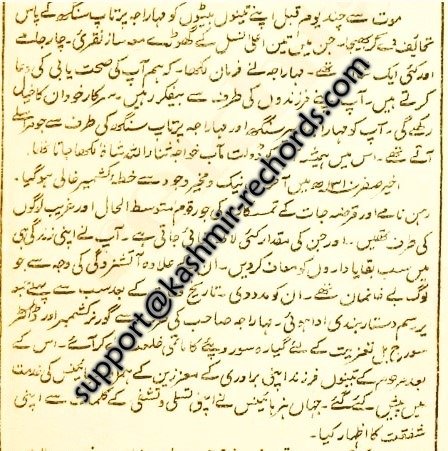
A Page from Muhammad Din Fauq’s 1930 Book

Esteemed by the Dogra Maharajas

The Dogra Maharajas of Jammu and Kashmir held Shawl in great esteem. Maharaja Ranbir Singh (1857-1885) appointed him as a member of his State Council, offering a substantial salary of 2500 Chilki rupees, which Shawl declined, choosing to offer his honorary services instead. Maharaja Pratap Singh (1885-1925) and Amar Singh also held him in high regard, valuing his straightforward and truthful dealings.

Philanthropy During Kashmir Famine

During the terrible  Kashmir famine of 1877-1879, Shawl rose to the challenge, contributing three thousand kharwars of rice and ten thousand rupees to relief efforts. His generosity extended to respectful burials and treatment for the ill, showcasing his deep solidarity with his Kashmiri brethren.

Advocate for Knowledge and Learning

Shawl was a great admirer of learning, maintaining a private library with thousands of books in Persian, Urdu, Arabic, and English. He is credited with ameliorating and enlarging famous shrines in Srinagar.

Habba Kadal Fire and End of an Era

In around April-May 1893, a devastating fire  engulfed hundreds of households in Habba Kadal, Srinagar. Khwaja Sanaullah Shawl had gone to Punjab on a business trip. When he returned home, his heart was immensely saddened by the miserable condition of hundreds of residents of the Habba Kadal locality who had lost everything in the great fire. The victims included both Muslims and Kashmiri Pandits.

 The devastating fire Khawaja prompted Sonaulah Shawl to petition the Maharaja for the victims’ rehabilitation. He personally, as usual, donated in cash for their rehabilitation and assistance. The impact of the tragedy was heavy on his heart. He fell sick and towards the end of September 1893, corresponding to 1310 Hijri, ( as per Fauq’s Book), he breathed his last at his home. His passing marked the end of an era of unparalleled communal concord and enlightened leadership.

Descendants and Legacy

Shawl’s three sons, Khwaja Ghulam Hassan, Khwaja Nooruddin, and Khwaja Saududdin continued his legacy. Saududdin, however, played a significant role in the political awakenings of Kashmir, notably linked to the July 13, 1931 incident. His efforts in submitting a memorandum to Lord Reading, demanding rights for Muslim subjects, led to his externment to Kohala by Maharaja Pratap Singh’s soldiers. He was, however,  recalled by Maharaja Hari Singh from the British Territory in 1926.

In  his death,  Kashmir lost not just a prosperous merchant but a beacon of unity and harmony. Khwaja Sonaullah Shawl’s life epitomized the values of wisdom, faith, and communal harmony, leaving an indelible mark on Kashmir’s history.

Kargil Conflict and the Birth of PDP !

(Kashmir Rechords Desk)

The last week of July 1999 is etched in the annals of Jammu and Kashmir’s history as a period of intense military engagement and significant political reconfiguration. Amidst the throes of the Kargil War, where the Indian Army was fervently pushing back Pakistani infiltrators in the rugged terrain of the Kargil sector, a notable political development was taking shape. Mufti Mohammad Sayeed, a prominent political figure and former Union Home Minister, chose this critical juncture to part ways with the Indian National Congress and establish his own regional political entity, the People’s Democratic Party (PDP).

The Kargil Conflict and India’s Triumph

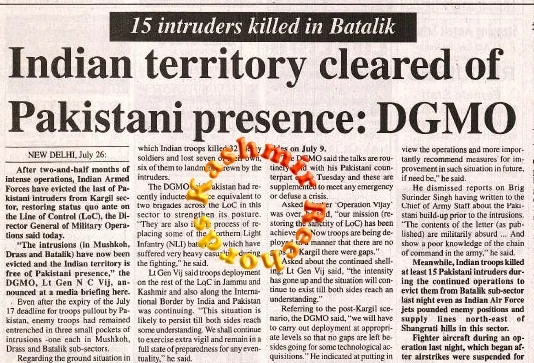
Each year on July 26, India commemorates Kargil Vijay Diwas, celebrating the Nation’s victory over Pakistani forces in the Kargil War. The conflict, which saw intense fighting in the high-altitude region of Northern Kargil District in Ladakh, culminated in the successful eviction of Pakistani troops from strategically important mountain tops. This victory not only showcased the valour and resilience of the Indian Armed Forces but also marked a significant moment of national pride and unity.

The Birth of PDP

Just two days after the celebration of Kargil Vijay Diwas, on July 28, 1999, Mufti Mohammad Sayeed having already quit Congress, alongside his supporters, including his daughter Mehbooba Mufti, announced the formation of the People’s Democratic Party (PDP). This move was a strategic realignment in Jammu and Kashmir’s political landscape. Rumours at the time suggested that Mufti, leveraging his deep understanding of the Indian government’s handling of Kashmir affairs, aimed to create the PDP to challenge the dominance of the National Conference and bring about a new“ political order”.

The Political Landscape Post-1999

The PDP’s inception temporarily brought a new  but different dynamic to the politics of Jammu and Kashmir. Both Mufti Mohammad Sayeed and Mehbooba Mufti ascended to the position of Chief Minister, albeit through coalition governments with mainstream national parties. The PDP’s role in bringing about phases of relative “peace and stability’’ in Kashmir, though in piecemeal, was seen as a testament to its initial purpose, but not with much success.

The Shift Post-2019

Twenty-five years after these events, as the Nation celebrates Kargil Vijay Diwas, the political landscape of Jammu and Kashmir has undergone seismic shifts. The abrogation of Article 370 on August 5,  2019 dismantled the special status of Jammu and Kashmir, leading to the reorganization of the State into two Union Territories: Jammu and Kashmir, and Ladakh, with Kargil now part of the latter. This move has significantly altered the political dynamics, with the PDP struggling to find its footing in the new order.

1863: First Indian Calcutta High Court Judge Was a Kashmiri!

(Kashmir Rechords Exclusive)

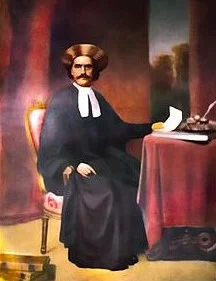
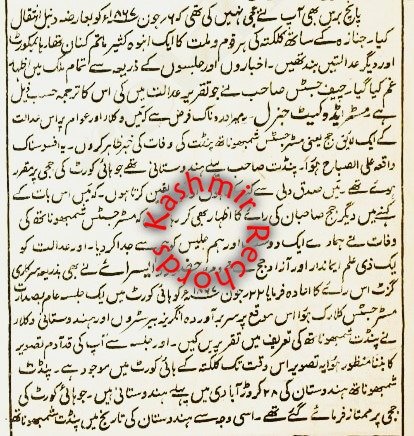
In an unprecedented achievement, Justice Shambunath Pandit, a Kashmiri Pandit, became the first Indian judge of the Calcutta High Court in 1863. His remarkable tenure, unfortunately cut short by his death in 1867 at the age of 47, left an indelible mark on India’s legal history.

Justice Shambunath Pandit—a Kashmiri Connection.

A Journey from Kashmir to Kolkata

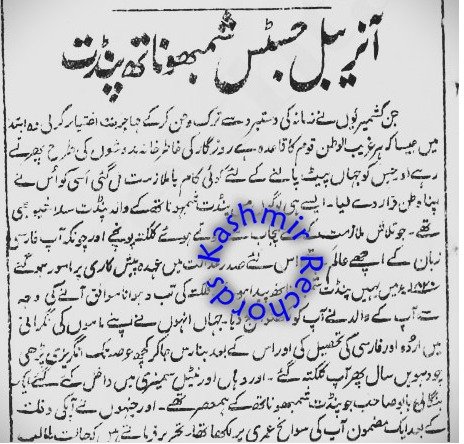
Justice Shambunath Pandit’s story began with his father, Sadashiv Pandit, who migrated from Kashmir in the late 18th century. Moving through Punjab and the United Provinces (now Uttar Pradesh), Sadashiv finally settled in Bhowanipur, Kolkata. Shambunath’s early education in Urdu, Persian, and English took him to Lucknow and Benaras. By 14, he was back in Calcutta, excelling in literature at the Oriental Seminary.

A Pillar of Legal and Social Reform

Justice Pandit’s contributions went beyond the courtroom. He was a founding member of the British Indian Association and played a key role in establishing the Jnan Prakasika Sabha (Truth Revealing Society), which evolved into the Bhowanipur Brahmo Samaj. His advocacy for female education was significant; he supported John Drinkwater Bethune’s school for girls and actively participated in Vidyasagar’s widow remarriage campaign.

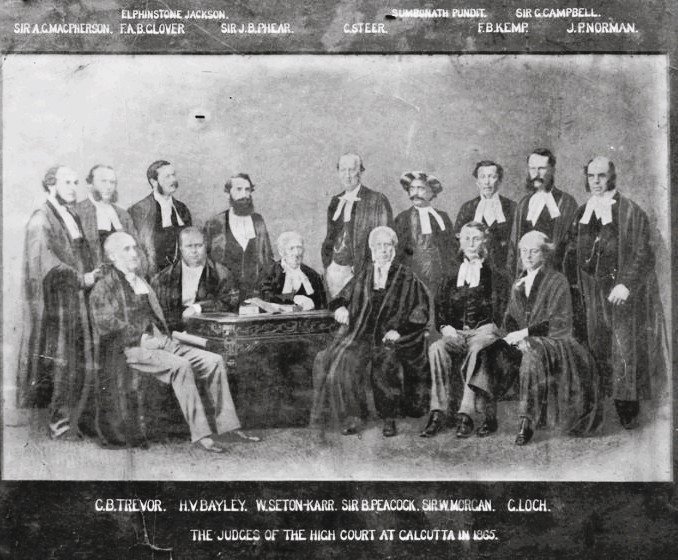
Justice Shambunath Pandit along with other Judges of Calcutta High Court—1865. ( Pic Courtesy:: https://www.calcuttahighcourt.gov.in/)

A Distinguished Legal Career

Starting as an Assistant to the Sadar Court Record-keeper, Justice Pandit quickly rose through the legal ranks. He published notable works, including “Notes and Comments on Bacon’s Essays,” and became a distinguished criminal lawyer. Appointed as Junior Government Pleader in 1853 and Senior Government Pleader in 1861, he joined the Calcutta High Court as a judge in 1863, making significant legal contributions, particularly in resuming Lakhiraj lands.

Legacy and Recognition in Kolkata

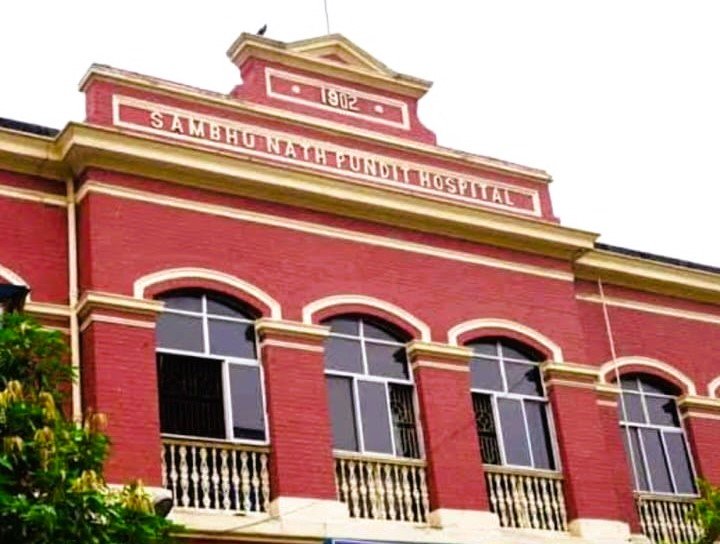
Justice Pandit’s legacy endures in Kolkata, where a major government hospital, setup in 1902 and a prominent road are named after him. His commitment to social progress and charitable disposition were well-regarded, spending a third of his income on medicines for the poor and supporting orphans and underprivileged students

Constructed in 1902, Shambunath Pandit Hospital still exists in Kolkata!

The First of Many Legal Luminaries

Appointed on February 2, 1863, Justice Pandit paved the way for future legal giants like Justice Dwarka Nath Mitter, Sir Ashutosh Mookerjee, and Justice P.B. Chakravartti, the first Indian permanent Chief Justice of the Calcutta High Court. The Calcutta High Court, established alongside the High Courts of Bombay and Madras, remains a cornerstone of India’s judicial system.

An Untimely Demise

Justice Pandit’s life was tragically cut short when he succumbed to a carbuncle on June 6, 1867. His passing was deeply mourned by the judges of the High Court, his friends, and admirers. He left behind two sons, Pran Nath Pandit and Bishambhar Nath Pandit, continuing his distinguished lineage.

Justice Shambunath Pandit’s trailblazing journey from a Kashmiri family to a revered High Court judge underscores his enduring legacy in Indian history.

When Kashmiri Pandits United to Aid 1903 Kashmir Flood Victims!

By: Kanwal Krishan Lidhoo*
The heart fills with joy when reflecting on the unity and compassion demonstrated by Kashmiri Pandits living across British India during the early 20th century. When they learned about the plight of their Kashmiri brethren, who were devastated by the notorious floods of July 1903 followed by a severe drought, plunging the entire valley into extreme destitution and misery, they galvanized themselves to provide succor. Their efforts transcended considerations of caste, community, and religion, showcasing a deep love for their ancestral land even though they had been physically distant for centuries.

The Catastrophe of 1903

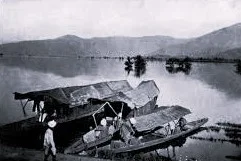
The floods of July, 23, 1903, marked a catastrophic event for Kashmir, with the entire city of Srinagar submerged, transforming it into a vast lake the likes of which have never been seen before (including the floods of the year 2014). This natural disaster was followed by a severe drought that  further compounded the suffering of the valley’s inhabitants. In response to these calamities, the Kashmiri Pandit community living outside Kashmir  that time, organized a large-scale relief effort. They launched a campaign to seek and collect donations from their community members and extended networks across India. This pan-India mobilization highlighted the indomitable spirit and unbreakable bond that the Kashmiri Pandits maintained with their homeland. Despite their geographical separation, their connection to Kashmir remained profoundly strong.

Relief to All Kashmiris

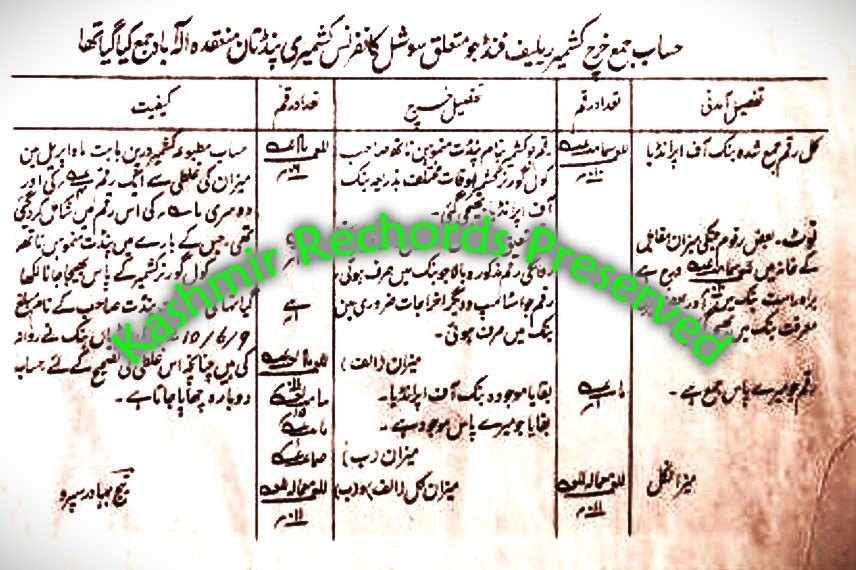
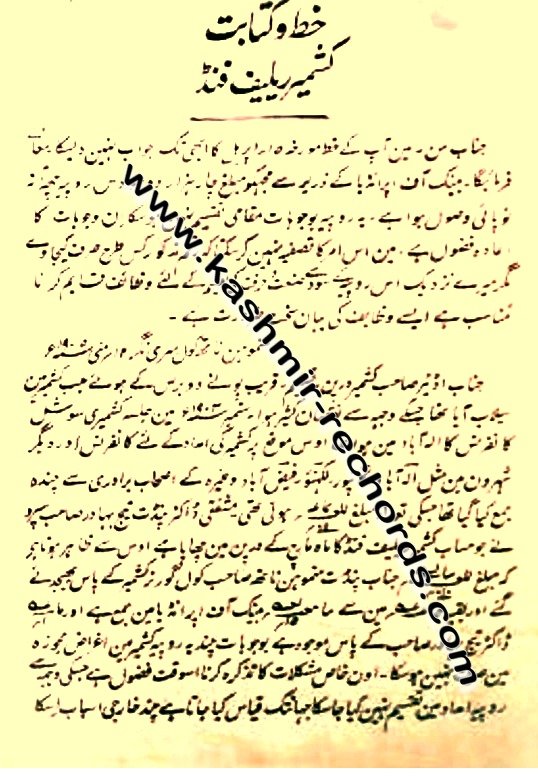
A document (1905) highlighting the efforts of Kashmiri Pandits living outside India to provide relief to their brethren back home.
The fostering of unity within the community for their devastated  Kashmiri brethren projected an empathy and cohesiveness rarely seen. Their motive was clear: to assert their sense of belonging to Kashmir and provide relief to all Kashmiris, irrespective of caste, community, or religion. This spirit of solidarity and humanitarianism extended beyond immediate relief. It also fostered a sense of cultural and emotional continuity with their ancestral land, reinforcing their identity and heritage.
(Fascimile of correspondence between Pandit Manmohan Koul, Governor of Kashmir and Tej Bahadur Saproo of Allahabad)
A similar situation repeated itself years later when Kashmiri Pandits living abroad rose to the occasion,  trying to mobilize resources to support the educational and medical needs of  some of their community members who were victims of forced migration from Kashmir. This demonstrated a continuity of the values of compassion, unity, and resilience that the community upheld.

Leadership and Coordination

Returning to the floods of 1903, historical records available with Kashmir Rechords reveal that it was the quality leadership and efforts of the then  Governor of Kashmir, Pandit Manmohan Nath Koul and the renowned Kashmiri Advocate from Allahabad,  Pt Tej Bahadur Sapru,  who played a crucial role in galvanizing the Kashmiri Pandit community for this noble cause. Their leadership ensured that the relief efforts were well-coordinated and effective. A special Kashmir Relief Fund Account was created in  the Upper India Bank Limited, Allahabad  of the then United Provinces where the collected money (which was more than ten thousand rupees) was deposited and subsequently disbursed through the office of the Governor of Kashmir. Donations continued to pour in until May 1905, reflecting the sustained commitment of the community.
Rare documents from that period, analyzed  by Kashmir Rechords, present formidable correspondence between,  Sri Pratap Singh, the  Maharaja Bahadur of Jammu and Kashmir, and Governor of Kashmir. In one of the communications  dated  May 5, 1905, Maharaja Pratap Singh  inquired about the remaining   corpus of funds collected by Kashmiri Pandits within and outside Kashmir that had not yet been distributed. The Governor of Kashmir, Pandit Manmohan Koul responded by informing the Maharaja that he had a remaining amount of over  500 rupees, 6 annas, and 9 payas with him.
In a subsequent communication dated May 31, 1905, Maharaja Pratap Singh directed Governor of Kashmir to forward the  undisbursed relief  amount to the management committee of Hindu College, Srinagar.
Maharaja Pratap Singh noted:-

“The college has come up recently and I am a promoter of this college. And now, since the challenges of floods of 1903 and drought have been neutralized, those who have collected and made available the donations want this amount to be provided to help this Hindu College. Fortunately, the situation has improved, and as such, there is no longer a need for the relief fund.’’

An Enduring Connection

The series of events and actions underscore the enduring connection and responsibility that Kashmiri Pandits felt towards their homeland. Their collective efforts not only alleviated immediate suffering but also contributed to the long-term educational and social infrastructure of Kashmir. In all this, one notices that while a Kashmiri Pandit may be taken out of Kashmir, Kashmir cannot be taken away from a Kashmiri Pandit. The legacy of their commitment and compassion continues to inspire and resonate through history.

*Kanwal Krishan Lidhoo is a noted Broadcaster, Author and acclaimed  Translator approved by Sahitya Akademi, New Delhi. He is a Founding Director of Kashmir Rechords Foundation.

The Failed Agra Summit: How a Kashmiri-Origin Bureaucrat Thwarted Musharraf’s Plans

(Kashmir Rechords Desk)
Twenty-three years ago, on July 16, 2001, as Pakistan and India neared the signing of a potentially historic document favoring Pakistan on Kashmir matters, a bureaucrat of Kashmiri Pandit ancestry intervened, thwarting General Pervez Musharraf’s efforts to persuade Prime Minister Atal Bihari Vajpayee to sign a joint declaration against New Delhi’s interests.


A “Hidden Hand’’

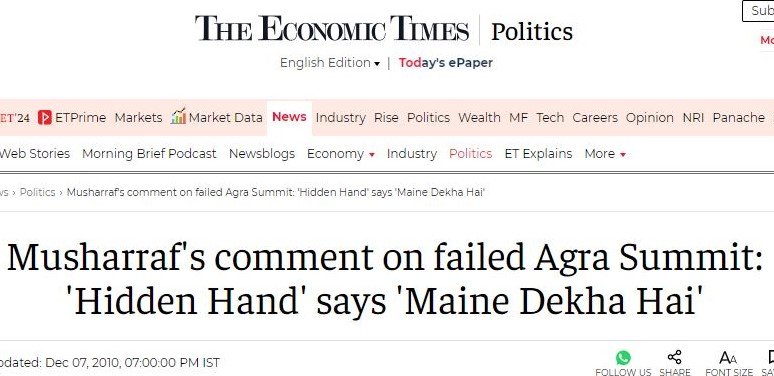
Despite three unsuccessful attempts to draft the joint declaration, this Kashmiri Pandit bureaucrat ensured that India’s interests were safeguarded, ultimately leading to the collapse of the Agra Summit and leaving Musharraf disappointed. Nine years later, Musharraf himself revealed that Indian External Affairs Ministry official Vivek Katju was the “Hidden Hand” responsible for scuttling the summit. According to Musharraf, Katju, then serving in the Ministry of External Affairs, insisted on referencing the Shimla Agreement of 1972, preventing the summit from recognizing Kashmir as a key issue.
The Economic Times (above) and The Hindustan Times’ Reports on Vivek Katju’s “Hidden Hand”

\Musharraf lamented that had Katju not influenced Prime Minister Vajpayee, the Agra Summit could have concluded in favour of Pakistani interests. In his autobiography “In the Line of Fire,” Musharraf criticized Katju’s negotiating style and demeanor, accusing him of adopting a hardline stance detrimental to the peace process.

Vivek Katju Profile

Vivek Katju, born in 1949, is a retired Indian diplomat who served with distinction in the Indian Foreign Service (IFS), holding various crucial positions both domestically and abroad. His tenure included ambassadorial roles in Afghanistan and Myanmar, where he significantly shaped India’s bilateral relations.
Musharraf’s criticism of Katju highlights the challenges inherent in high-stakes diplomatic negotiations, particularly when dealing with entrenched historical and political issues. Despite differing viewpoints, Katju’s role was pivotal in representing India’s interests and navigating the complexities of Indo-Pak relations.