
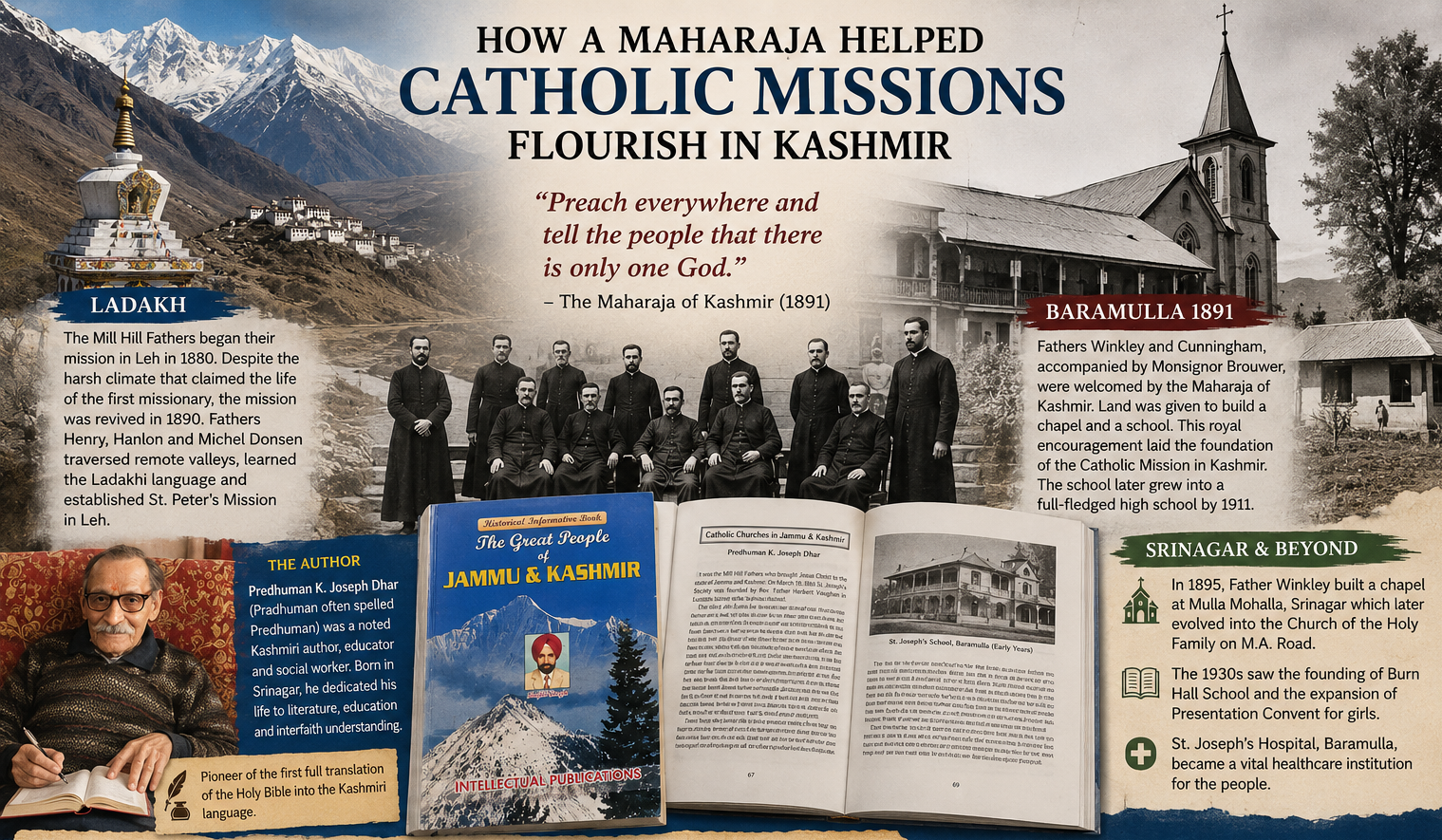
(Kashmir Rechords Exclusive)
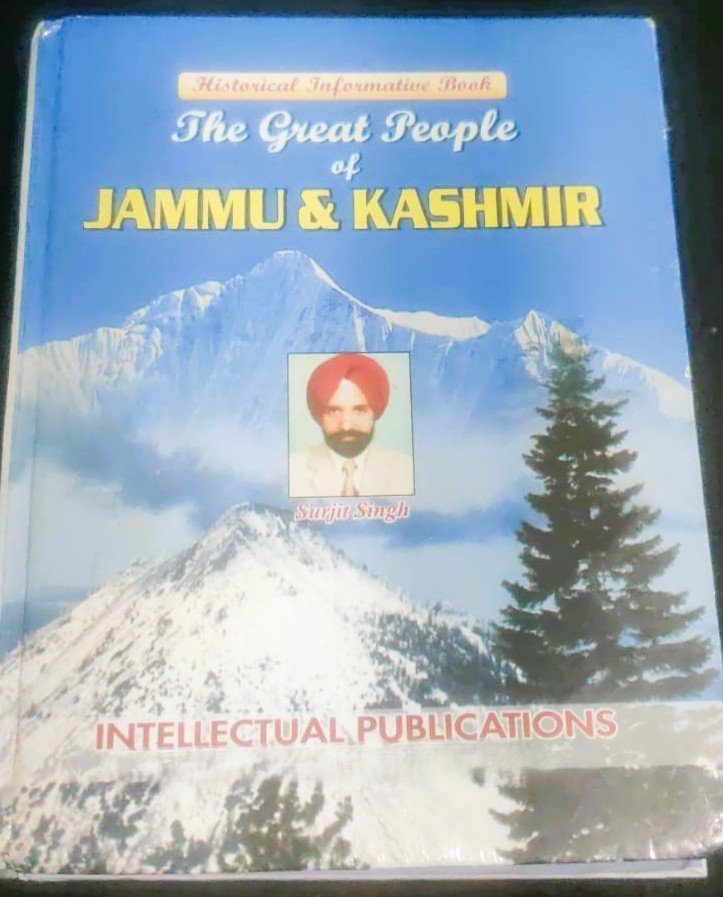
An intriguing historical account in Catholic Churches in Jammu & Kashmir by noted Kashmiri author, educator and social worker Predhuman K. Joseph Dhar, and carried in the book The Great People of Jammu and Kashmir, sheds fascinating light on Christian History in Kashmir and how Catholic missions gradually became part of the social and educational landscape of the region.
The narrative begins not in Srinagar or Jammu, but in the harsh, wind-beaten mountains of Ladakh!
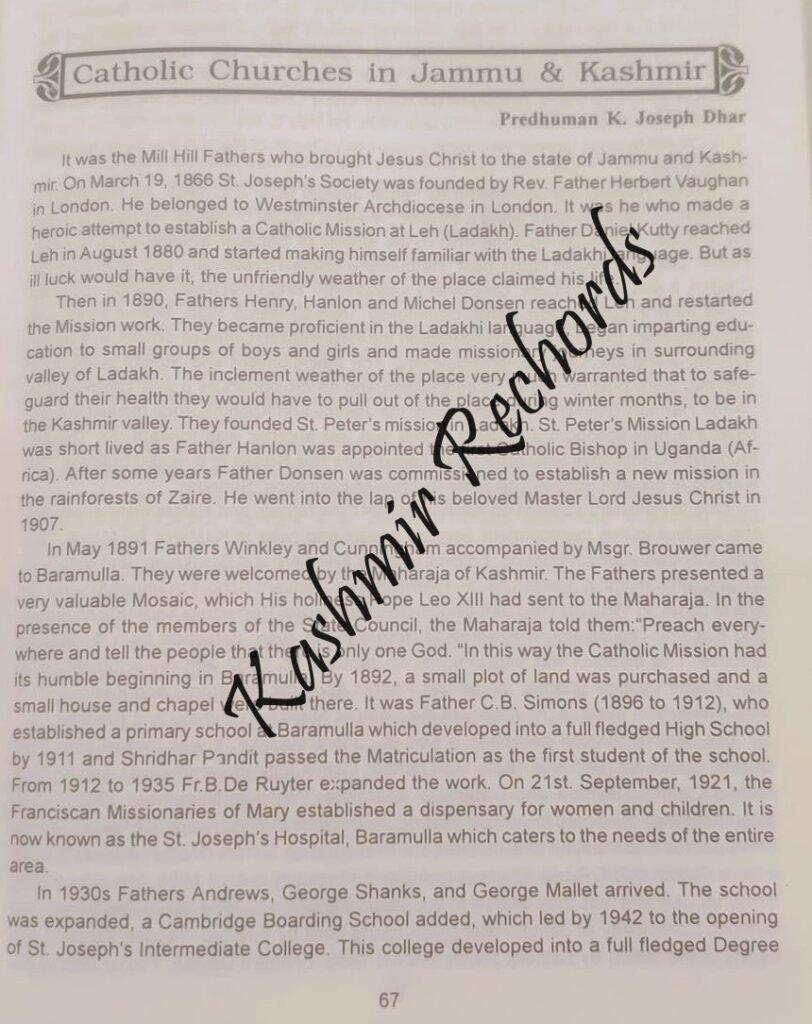
In 1866, the Mill Hill Fathers, inspired by Rev. Father Herbert Vaughan of London, turned their attention towards the Himalayan frontier of Jammu and Kashmir. Their dream was ambitious — to establish a Catholic mission in one of the world’s most inaccessible regions.
According to Joseph Dhar, Father Daniel Kutty had reached Leh in August 1880 and immediately immersed himself in the Ladakhi language and culture. But Ladakh’s unforgiving climate proved deadly. Before the mission could truly take shape, the mountains claimed his life.
Yet the effort did not end there.
Joseph Dhar says in 1890, Fathers Henry, Hanlon and Michel Donsen revived the Ladakh mission. They travelled through remote valleys, educated small groups of boys and girls and learned the Ladakhi language to connect with local communities. Their dedication eventually led to the establishment of St. Peter’s Mission in Leh.
The missionaries endured immense hardship. Winters in Ladakh were so severe that many had to temporarily relocate to Kashmir Valley to survive the cold months. Some later moved to distant lands including Uganda and the rainforests of Zaire, carrying with them experiences from the Himalayas.
Turning point in Kashmir
In May 1891, Fathers Winkley and Cunningham arrived in Baramulla accompanied by Monsignor Brouwer. According to Dhar’s account, the missionaries presented the Maharaja of Kashmir with a valuable mosaic sent by Pope Leo XIII.
What happened next would shape the future of Catholic institutions in Kashmir.
In the presence of members of the State Council, the Maharaja reportedly told the missionaries:
“Preach everywhere and tell the people that there is only one God.”
That remarkable gesture of royal encouragement opened the doors for the Catholic Mission in Kashmir.
Soon afterwards, land was purchased in Baramulla, where a chapel and school were established. Under Father C.B. Simons, the institution steadily expanded and by 1911 had developed into a full-fledged high school, emerging as one of the Valley’s important centres of modern education.
Joseph Dhar’s research paper also reveals little-known episodes from Srinagar’s history.
In 1895, Father Winkley settled in Srinagar and built a simple priest’s residence and chapel at Mulla Mohalla. Despite devastating floods in 1903 and 1905, he continued his work. That modest structure eventually evolved into the Church of the Holy Family on M.A. Road.
The 1930s witnessed another wave of expansion. Burn Hall School was founded in Srinagar, while Presentation Convent institutions widened educational opportunities, especially for girls. St. Joseph’s Hospital in Baramulla emerged as a major healthcare institution serving people from across Kashmir.
Upheaval of 1947
The tribal invasion forced priests and nuns to evacuate temporarily from Kashmir. But within months many returned, resuming educational, medical and social services amid uncertainty and violence.
The post-independence years saw Catholic institutions spread further across Jammu and Kashmir. Schools, churches and hostels appeared in Jammu, Akhnoor, Poonch, Udhampur and Srinagar, while the Catholic community steadily grew in the region.
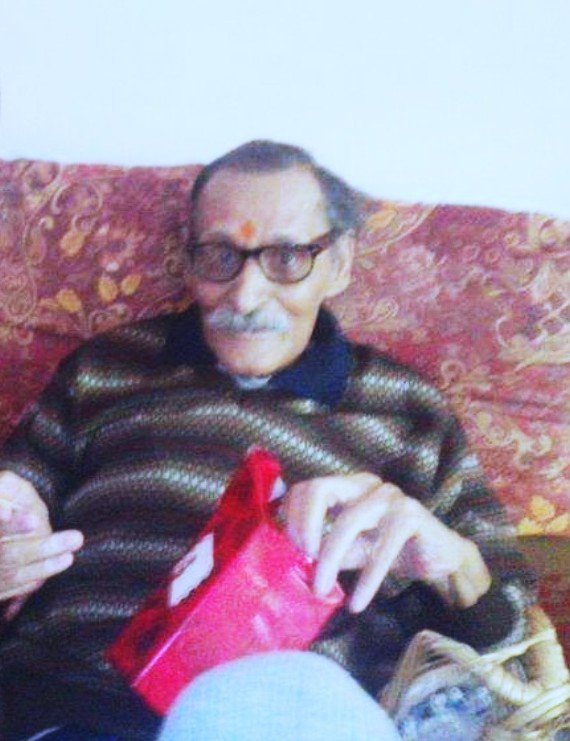
Predhuman K. Joseph Dhar himself occupies a unique place in Kashmir’s literary and social history. A respected Kashmiri scholar and educator originally from Srinagar, he is widely remembered for pioneering efforts to translate the Holy Bible — a landmark contribution to linguistic and interfaith scholarship.
Today, many of the schools, hospitals and churches established during those early missionary years continue to serve society, though few know the extraordinary story behind their origins.